
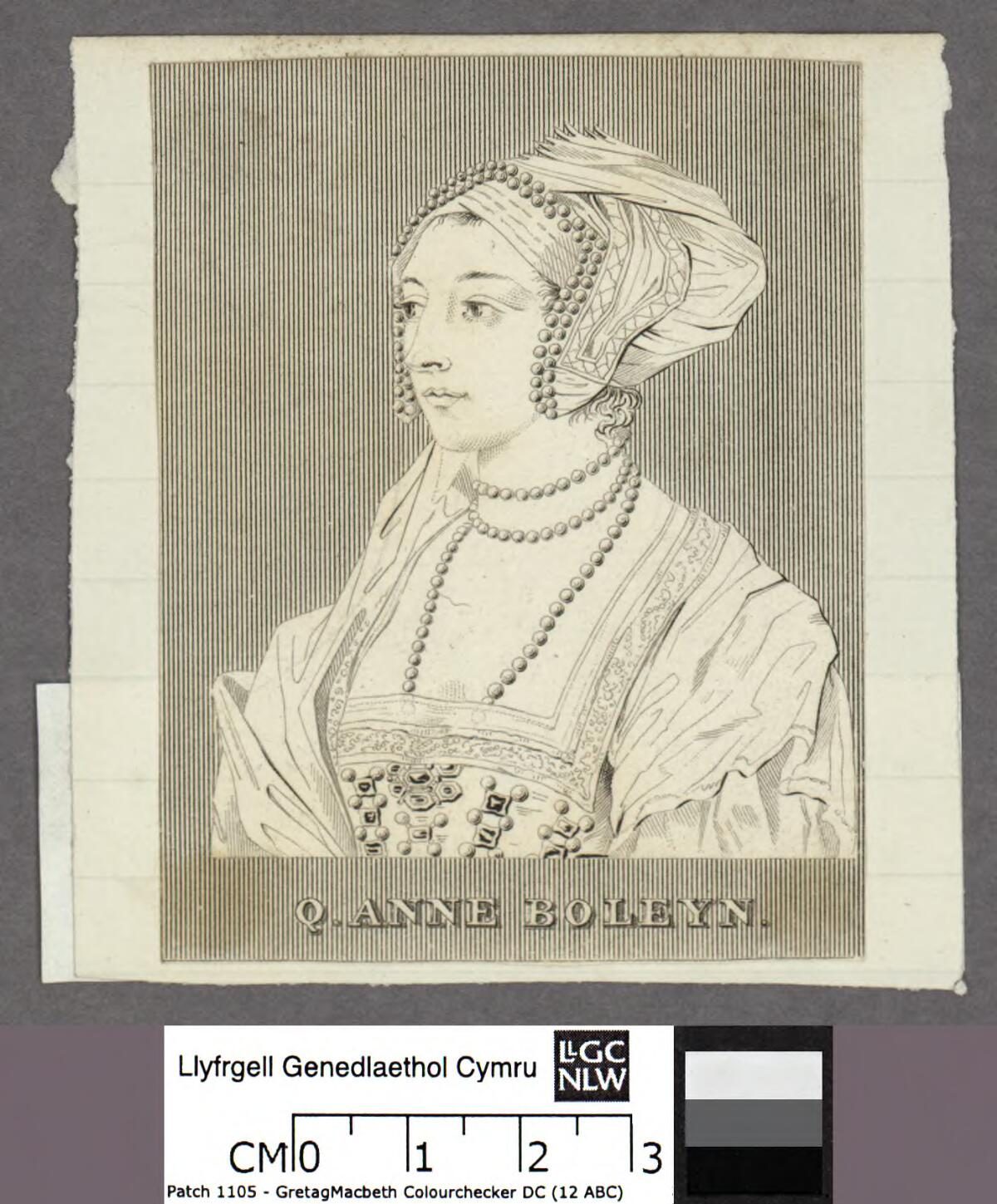
On the morning of 19 May 1536, a striking figure ascended the scaffold at the Tower of London. Anne Boleyn, once Queen of England, met her tragic fate with grace and poise, wrapped in a dark grey damask gown. Adorning her head was the French hood — a fashion choice she had famously introduced to the English court. In this deliberate act of sartorial defiance, Anne sent a poignant message of identity and unyielding spirit, even as she walked to her death.
The Queen's Look: From France to England
Anne Boleyn's arrival on the English stage was nothing short of transformative. Her time at the court of Margaret of Austria and her service to Queen Claude of France had molded a young woman distinctly different from the English ladies. She brought back not only a worldly charm but also a sartorial elegance that would soon reshape English tastes. Chief among her contributions was the French hood — an inventive alternative to the modest English gable hood. Unlike its angular English counterpart, the French hood was round, exposing more of the hair and exuding sophistication and allure, qualities that Anne embodied.
At first, this new fashion met with skepticism at court, conservative as it was in clinging to tradition. Yet Anne's undeniable magnetism made it impossible for others to ignore her choices. The French hood became a testament to her influence and individuality — a blend of mystery and modernity that spoke volumes of her time in France and her daring spirit.
A Court Transformed: Anne’s Influence
Anne's courtship with King Henry VIII was a whirlwind, charged with intense passion and dramatic turns. It was a relationship that would alter the course of English history, giving birth to a new religious order through the English Reformation. Her personal appeal played an instrumental role in this shift, as her fashion and demeanor constantly refreshed the image of the English court.
Other noblewomen soon followed her lead, elevating the French hood into a must-have accessory. It represented more than just a style item — it was a symbol of courtly sophistication and avant-garde elegance. Anne's influence marked a cultural shift, sparking a ripple effect that spread throughout England's noble circles.
The Road to the Scaffold
Anne Boleyn's tale is woven with equal parts triumph and tragedy. Despite her contributions to English society and her efforts to secure her position as queen, her destiny was ultimately marred by political and personal machinations. The charges against her — adultery, incest, and treason — were severe, and many historians today view them with skepticism.
As she faced her final hours, Anne displayed remarkable composure and dignity. Her choice to wear the French hood one last time was deeply significant. It was a nod to her enduring identity, a silent proclamation of her ownership of the self she had presented to the world when she climbed to the height of power.
"Good Christian people, I have come hither to die, for according to the law and by the law I am judged to die, and therefore I will speak nothing against it. I am come hither to accuse no man, nor to speak anything of that whereof I am accused, as I know full well that aught that I could say in my defense doth not appertain to you." — Anne Boleyn's final speech, maintaining her dignity to the last.
A Legacy of Strength and Influence
Anne Boleyn's life and death left an indelible mark on the pages of history. The drama that unfolded around her was a catalyst that forever altered the English throne and the religious landscape of the nation. Her introduction of the French hood was as much a part of her legacy as the daughter she bore, Elizabeth I, who would later become one of England's most revered monarchs.
The irony that Anne, who had captivated the English court with a fashion statement, met her end adorned in the very emblem of her earlier triumphs, is profound. The image of Queen Anne Boleyn, clad in her French hood, invites reflection on the transient nature of power and fashion, interwoven with the enduring spirit of a woman who dared to redefine both.
Connecting Past and Present
The tale of Anne Boleyn is a reminder of the powerful interplay between identity and influence, a story that continues to resonate even in our modern era. Her life demonstrates the impact one individual can wield through personal style and strength of character. Today, the British monarchy stands as a testament to centuries of tradition and adaptation, where figures like Anne Boleyn left indelible marks that shaped its course.
Anne's choice of the French hood, especially at such a critical juncture, speaks volumes about the human spirit's tenacity and capacity for self-expression. As we reflect on her story, we see how fashion and identity remain powerful tools in shaping the narrative of those who walk the halls of power. Her defiance and dignity remain as relevant now as they were then, highlighting a timeless struggle for self-definition against all odds.
📷 Photo: Hans Holbein the Younger. Public domain via Wikimedia Commons.