The morning of April 29, 2011, a serene sense of anticipation enveloped London. Crowds began to swell along the streets outside Westminster Abbey; expectations were exquisitely high. The world’s eyes were fixed on a single event, a moment brimming with grace and fairy-tale magic—the royal wedding of Catherine Middleton and Prince William. But before the public spectacle unfolded, there was an intimate, private moment known only to a select few. In the tranquil confines of the Goring Hotel, Catherine stood alone, her gaze fixed on the mirror before her. Draped in a gown that would captivate millions, she whispered a simple, heartfelt word: "Perfect."
The Dressmaker's Secret
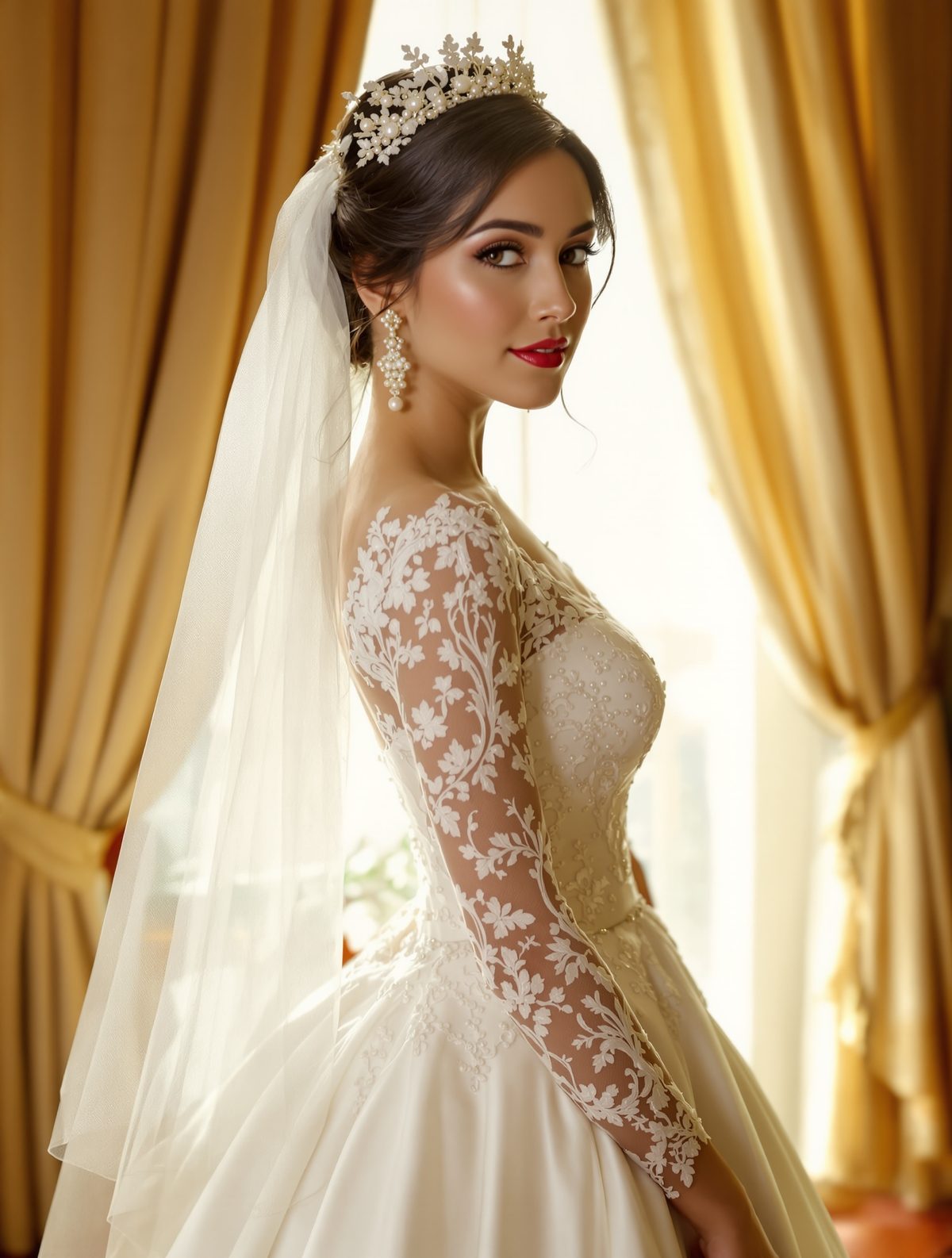
The bridal gown, famed for its elegance and timeless beauty, was months in the making. Designed by Sarah Burton at the fashion house Alexander McQueen, the dress became an emblem of modern-day royalty—a harmonious blend of tradition and contemporary design. From the very outset, Catherine envisioned a gown that respected royal customs while exuding her unique sense of style. She desired a masterpiece that would resonate through the ages, reminiscent of the grace of Grace Kelly, yet echo with the halls of British history.
Every aspect of the dress was steeped in secrecy. To ensure utmost confidentiality, the design remained under tight wraps, much like a state secret. Those involved in its creation adhered to a vow of silence. Even William, her beloved Prince, was left in the dark about the adornments she would wear as she walked down the aisle. For Catherine, the dress was not merely an outfit; it was a defining piece of her new role within the royal family—a symbol of her devotion to her country and her partnership with William.
A Moment of Reverence
A quiet ambiance enveloped the room at the Goring Hotel as Catherine took in the sight before her. It was the first time she fully beheld her transformation from a commoner to a royal bride. Although a vision of perfection had danced in her mind for months, the reality surpassed her dreams. Encased in delicate lace and luxurious fabric, the dress seemed to whisper the promise of a shared future—a future of service, love, and royal duty.
That morning, the typically bustling surroundings were marked by a rare hush, allowing Catherine a precious moment to reflect. She carried within her an understanding of the monumental nature of the day ahead; yet her reflection, poised and serene, revealed her readiness. This was more than a dress—it was a statement of elegance that would transcend generations. Catherine's presence in that moment was magnetic, every inch the poised future queen she was destined to be.
The People's Princess and Royal Promise
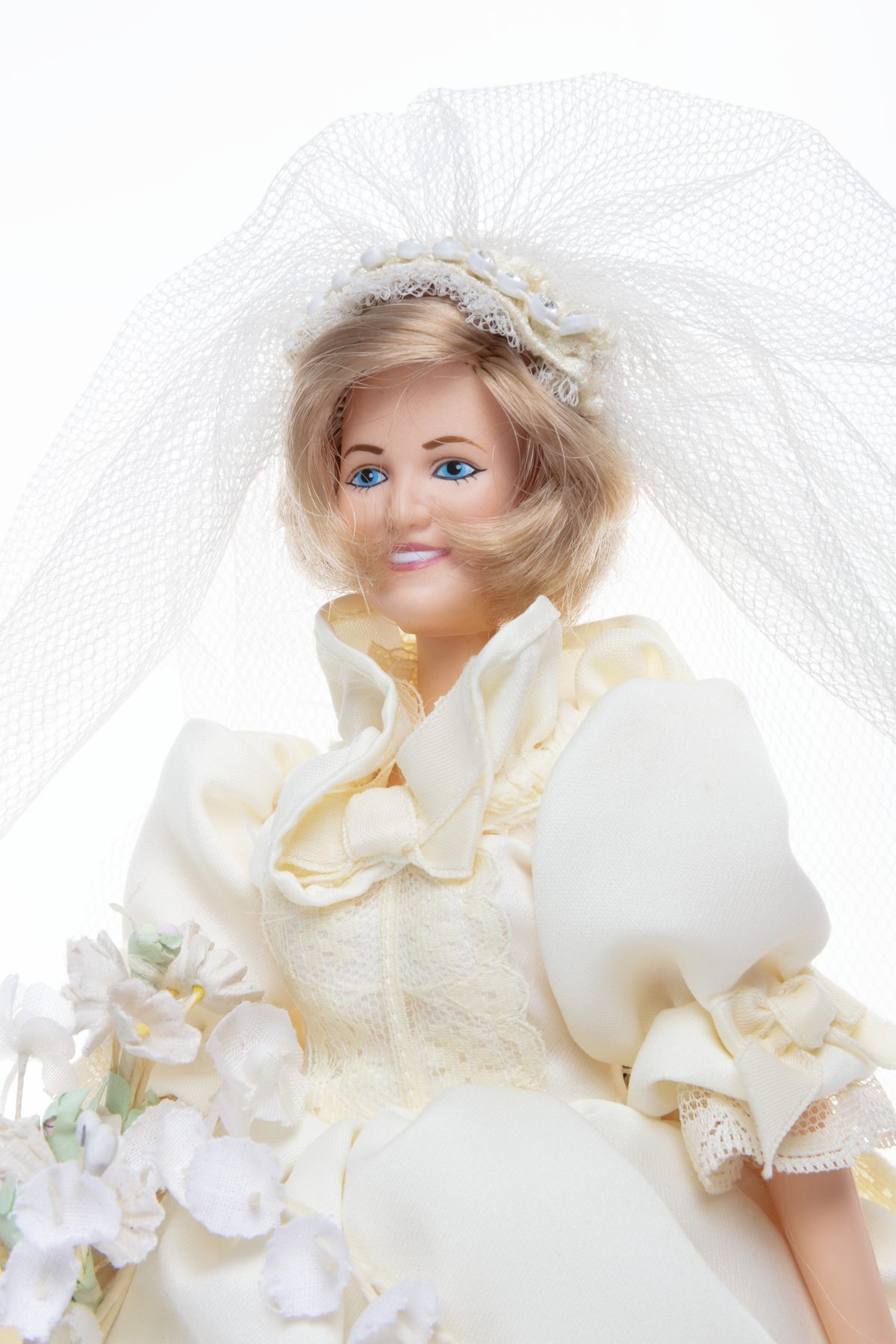
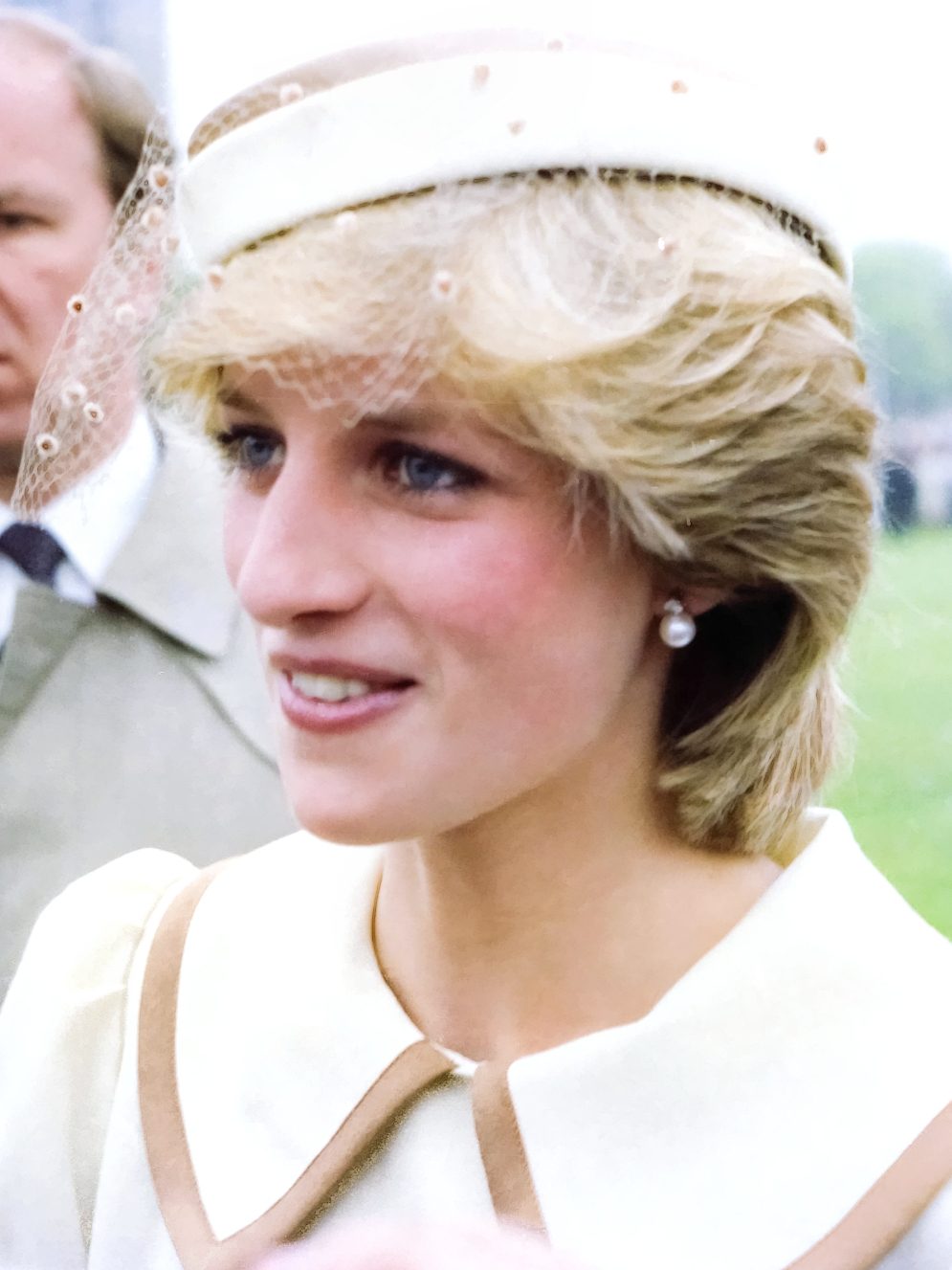
For the people who lined the streets and filled living rooms around the world, Catherine's wedding dress was the fulfillment of many expectations. It was a dress fit for the history books, drawing comparisons to the grandeur of Princess Diana's iconic gown three decades prior. Yet, Catherine's choice established a narrative all her own—one of a poised, modern woman gracefully stepping into the annals of royal history.
The gown featured intricate lacework synonymous with the craftsmanship of old-world Britain, honoring the legacy of royal garments past. Its train, though modest compared to Diana's, still captured the imaginations of millions. Catherine had remained true to herself, embodying gracious humility while embracing her life as a royal. The dress’s symbolism was clear: it bridged the monarchy’s rich heritage with the new era she and William would herald.
Embracing a Shared Future
As the echoes of the wedding bells cascaded over London, Catherine and William embarked on their journey together. Their marriage signified the monarchy's seamless weave into contemporary times, much like her dress had spun threads of tradition and modernity into a cohesive whole. Her reaction to seeing herself adorned in such a gown was not merely for the satin and lace, but for the tangible reminder of the future she was set to build with William, by his side and as his equal.
In the years that followed, Catherine's choice in gown—and more broadly, her role as Duchess of Cambridge—set precursors for what royal should mean in a swiftly-changing world. Her compassion mirrors that of the beloved figures who came before her; her dedication to issues concerning child welfare, art patronage, and mental health weaves her efforts seamlessly into the tapestry of her royal duties.
Thus, the memory of Catherine standing before the mirror, adorned in that dress, remains a poignant chapter in the royal family’s ongoing story. It serves as a reminder of how the monarchy gracefully evolves through generations, steadfast in tradition yet welcoming of change. It is a tale that continues to capture the world’s imagination—one where a young woman found her perfect reflection, both in the mirror and in her destiny. A testament to the past and a promise beautifully fulfilled.