In the heart of a kingdom marred by shadowy alliances and political maneuvering, an affair of the heart sparked a firestorm of controversy that would reverberate across the centuries. On a mist-laden morning in 1464, the stalwart resolve of England’s King Edward IV was upended not by an enemy force or a courtly betrayal, but by love. In a clandestine ceremony shrouded in secrecy, he wed Elizabeth Woodville, a commoner widow with striking beauty and an indomitable spirit. This decision not only shocked the English nobility but forever changed the course of history, reminding us of the power of passion in a world ravaged by power plays.
The Forbidden Romance
As the Wars of the Roses ravaged England, splitting loyalties and spilling noble blood, the newly crowned Edward IV had rejuvenated the Yorkist cause and fortified his rule. Yet, amid battles and brokered allegiances, something quite extraordinary transpired in the realm of the heart. Elizabeth Woodville, a widow of Lancastrian loyalty, captured the king's heart, becoming a symbol of the unpredictable as she disrupted the rigid social stratifications of the time.
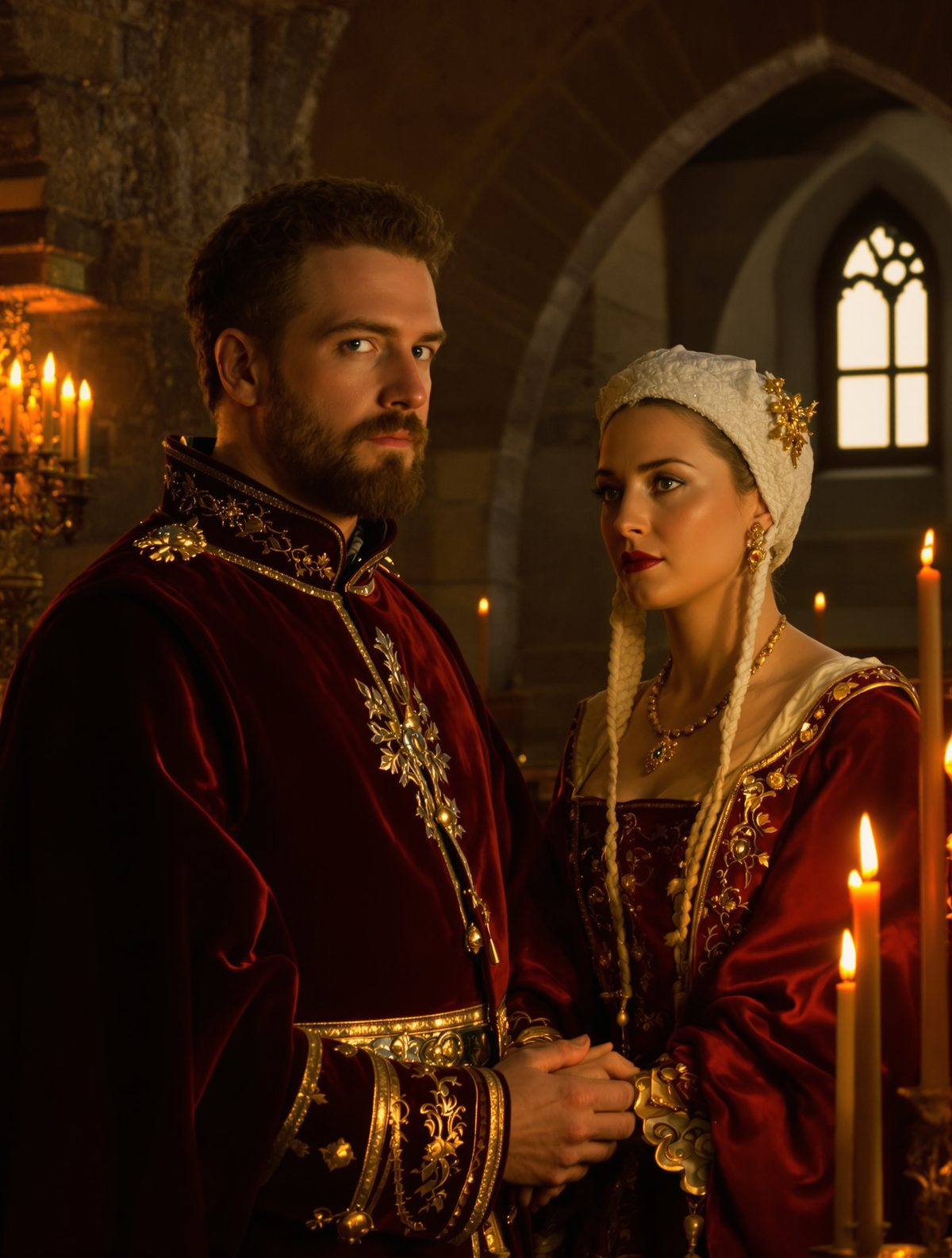
Their secretive dawn wedding, attended by only five witnesses, unfurled far from the public eye, concealed within the tranquility of a family's manor at Grafton Regis. Edward, youthful and handsome, appeared anything but a typical monarch bound by duty. Instead, he exhibited a defiant streak, openly rejecting the counsels that suggested politically favorable matches. Yet, when accounts of their union emerged months later, the council's reaction was swift—shock transforming into outrage. How could their sovereign wed a woman of lesser birth?
Courtly Discontent
Edward IV’s impulsive decision to marry Elizabeth Woodville rattled the very pillars of England's court. Historically, royal unions were not mere matters of personal choice but the weighty keystones of political alliances. Therefore, when Edward chose love over strategic advantage, he introduced uncertainty into a court where stability was desperately needed.
Richard Neville, the Earl of Warwick, a seasoned statesman nicknamed ‘The Kingmaker’ for his influential role in Edward's ascent, was particularly floored. Warwick had been negotiating a marriage alliance for Edward with a French princess, which now fell to pieces. This personal affront sowed seeds of discord between Edward and the man instrumental in securing his throne.
Skepticism abounded, not only within the court but throughout the nobility, as whispers of witchcraft and ulterior motives tarnished public perception. How did a woman of common standing capture a king’s heart so completely? Elizabeth herself became embroiled in these turbulent waters, facing scrutiny and suspicion from every angle.
The People's Queen
Despite the upper echelons’ displeasure, Elizabeth Woodville rapidly became a beloved figure amongst the English people. Her story resonated; she was not an untouchable symbol of royalty but rather a relatable figure of strength and perseverance. The marriage marked a transformative phase in monarchical relations, as royal nomenclature no longer solely relied on aristocratic lineage. Elizabeth was a living testament to the idea that destiny could defy tradition, a sentiment that echoes even today when love crosses borders and expectations without heed to established hierarchies.
Elizabeth, with her intelligence and grace, seized the reins of her new role with remarkable aptitude. Her dedication to her sons and the new dynasty was evident in her support for the Yorkist cause. This steadfast devotion gradually won the respect, if not the complete affection, of her naysayers. Her crowning, witnessed by multitudes at Westminster Abbey in May 1465, was a pageantry of grandeur and resilience, silencing, albeit temporarily, the cynics of her unlikely union.
Forever Altered
Edward and Elizabeth’s marriage set off a cascade of events that reshaped the tapestry of English history. Their union produced ten children, intertwining the destinies of future monarchs and cementing Elizabeth's legacy as the queen-mother of a powerful dynasty. Their offspring’s marriages connected them to numerous European thrones, fortifying the English crown's status abroad.
However, the fluidity of politics meant the couple faced continuous challenges. Political opponents manipulated the king's decision, exploiting it to further their agendas. The resulting conflicts and shifting allegiances contributed significantly to the turbulent path across which the Wars of the Roses wound their course.
A Timeless Reflection
Today, as we gaze back through the veils of time that once obscured royal aspirations and secrets, Edward IV and Elizabeth Woodville’s marriage offers a profound reminder of love’s enduring defiance against the rigid demands of societal expectations. Their story, enshrined in history, evokes intrigue not merely for its dramatic impact but for its testament to the human condition. As we observe modern royals navigate the delicate balance between duty and personal conviction, it is comforting to reflect on Edward and Elizabeth’s legacy, which whispers timelessly through the corridors of power—reminding us, ever so gently, that the heart remains an enduring, indomitable force.