In the glittering summer of 1902, the British Empire hummed with anticipation. As the storied streets of London prepared to host the coronation of King Edward VII, a vibrancy permeated the air, promising a spectacular celebration fitting for a king. Guests from every corner of the globe flooded into the capital to witness the majestic ceremony inside the ancient walls of Westminster Abbey. Yet just days before his moment in history, the king was struck down with a health crisis so sudden and severe it threatened to pause the grand proceedings indefinitely. Let's dive into the dramatic events that nearly halted the coronation and captivated an empire.
The Heir Ascends: Edward's Journey to the Throne
Edward VII's path to the throne was neither typical nor brief. Born Albert Edward on November 9, 1841, he was the eldest son of Queen Victoria and Prince Albert. Throughout much of his life, he lived in the considerable shadow of his mother, who ruled for an astounding 63 years. As Prince of Wales, Edward was cultured, charming, and widely known for his genial nature yet often chafed under the constraints imposed by his mother's reign.
When Queen Victoria passed away in January 1901, Edward ascended the throne prepared to embrace his new role with gusto. His coronation was set to be a splendid spectacle of tradition and grandeur, an elaborate event fitting for a man who waited decades to lead his country. The ceremony scheduled for June 26, 1902, promised to symbolize a fresh start — a new Edwardian era blooming in the dazzling tapestry of history.
A Ruler's Health Crisis: Behind Edward's Coronation Panic
As preparations reached fever pitch, a somber shadow loomed. King Edward VII, known for his robust appetite for life, was battling a debilitating case of appendicitis, though appendicitis as a medical term and concept had only recently begun to gain recognition. The political and social elite knew none of it yet; only whispers of the king's discomfort quietly circulated, kept firmly within palace walls in a bid to stave off panic.
It was the reassuring presence of esteemed surgeon Frederick Treves that became pivotal in this royal drama. Just two days before his expected crowning moment, Edward collapsed in pain. Immediate action was required, and Treves was summoned to Edward's side. Understanding the gravity of the situation, Treves performed an emergency appendectomy, a procedure which — only a few decades earlier — would have been deemed highly dangerous. The surgery was conducted inside the palace, an event shrouded in both urgency and secrecy to prevent panic and avoid rumors.
Suspended Celebrations: A Kingdom Holds Its Breath
With surgery a success yet recovery still delicate, a momentous decision had to be made. The coronation was postponed, a move unparalleled in modern British history at the time. But the logistical challenge reached far beyond the gates of Buckingham Palace. Invitations had crossed oceans and political boundaries, spanning continents, as keen dignitaries made transcontinental journeys to witness the historic event.
News of the postponement was slow to reach foreign shores, and by the time it did, delegates and representatives of kings, presidents, and emperors were already en route. Ships bearing these noble guests continued to sail deliberately into the Thames, welcomed into a quiet London not knowing that June 26 would come and go without the illustrious ceremony they anticipated.
The Human Story: Resilience and Royal Dignity
In light of these unforeseen events, the human facets of the tale shine brightly. The British public, whose unwavering resilience would later define the national spirit throughout the 20th century, remained hopeful and supportive of their convalescent king. Newspapers printed updates on Edward's condition, and the empire collectively held its breath, offering prayers and well-wishes for his swift and safe recovery.
True to his renowned charm and indomitable character, Edward employed humor and fortitude even in convalescence. Correspondence from the time reflects his courteous acknowledgment of well-wishers and a keen insistence to mobilize swiftly for alternate arrangements once able. As his strength returned, so too did excitement re-ignite amongst a population eager to embrace their monarch — an earnest symbol of determination and regality restored.
A Crown Restored: The Postponed Coronation
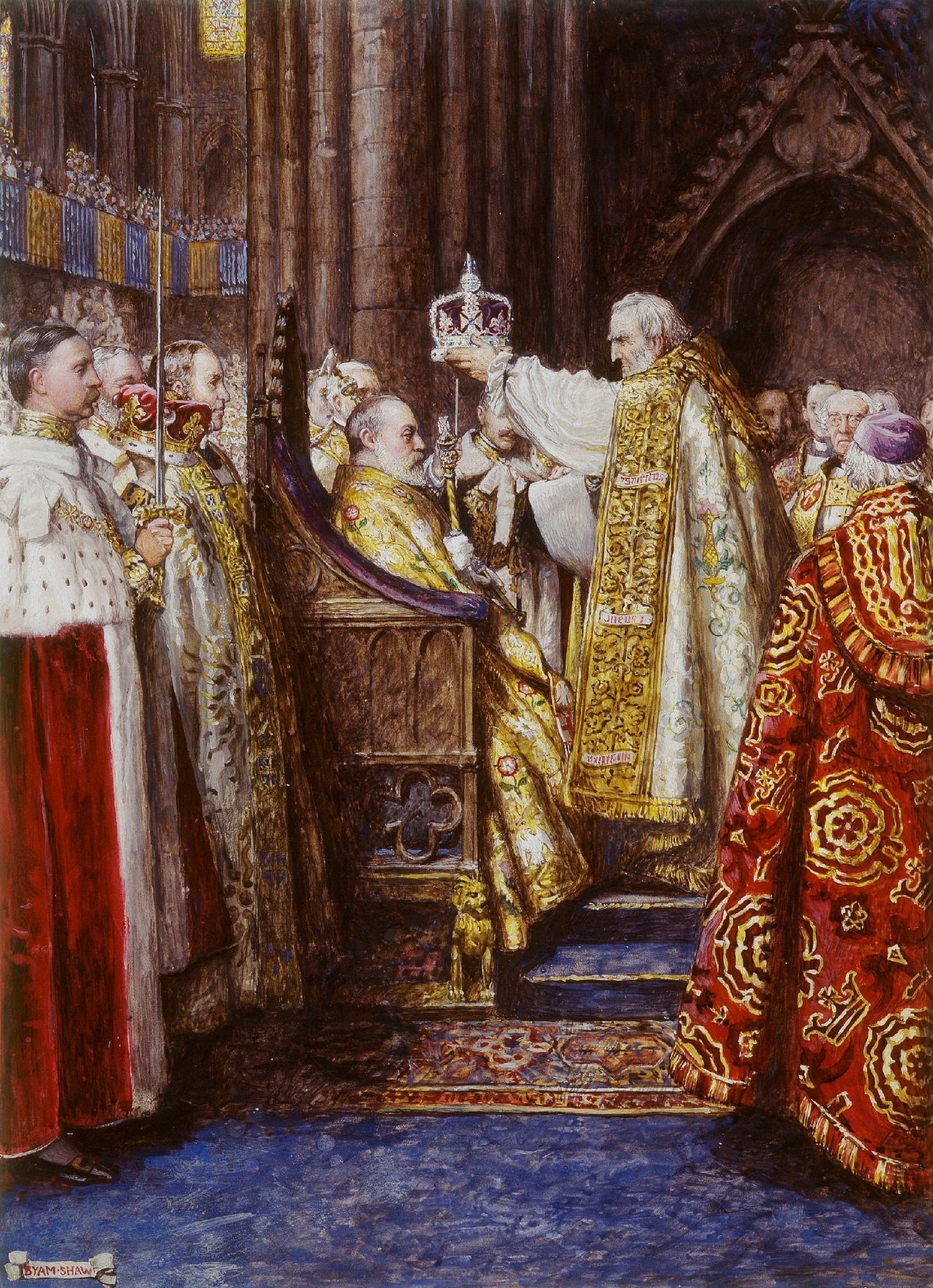
Eventually, strength triumphed and the ceremonial event was rescheduled for August 9, 1902. Westminster Abbey rang with the music of triumph and glory, the atmosphere charged with a palpable mix of aristocratic relief and jubilation. The event, adorned with pomp and pageantry, became not only a royal celebration but a tribute to the indomitable spirit of a nation bound by monarchy, tradition, and shared hope.
Amongst the grandeur and opulence of the day, a thankful King Edward VII nodded to his people and the trials overcome. As he took solemn steps toward his reign’s beginning, the newly crowned king was greeted by a sea of onlookers united in admiration and loyalty.
Today, this dramatic historical episode from over a century ago resonates anew. It reminds us that beneath the crown are human stories — of resilience, of leadership under pressure, and of nations rallying behind their beloved figures. King Edward VII’s unexpected coronation panic stands as a testament to the monarchy’s ability to endure and evolve against the odds, offering us timeless narratives that continue to enrich our understanding of the royal legacy.
📷 Photo: John Byam Liston Shaw. Public domain via Wikimedia Commons.