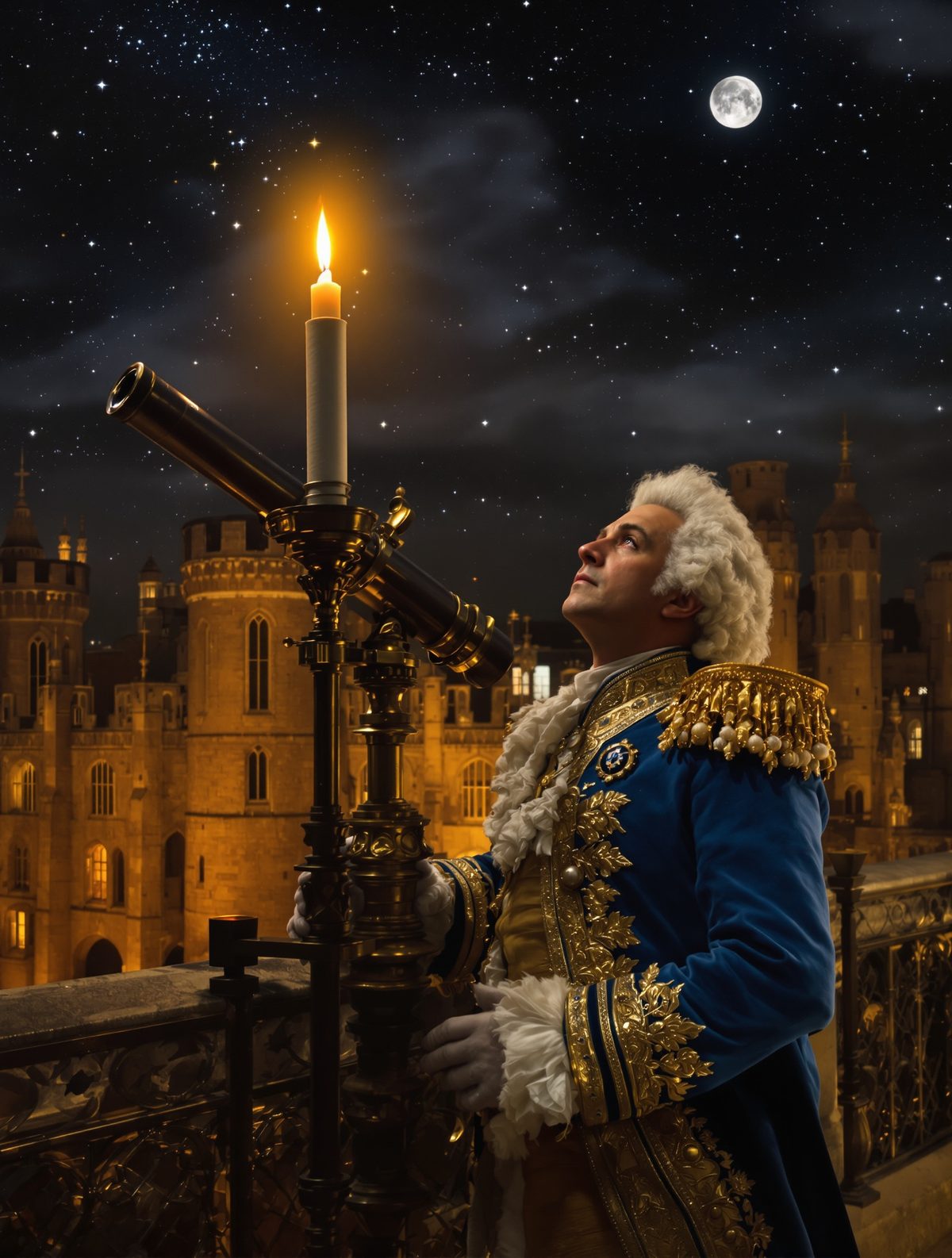
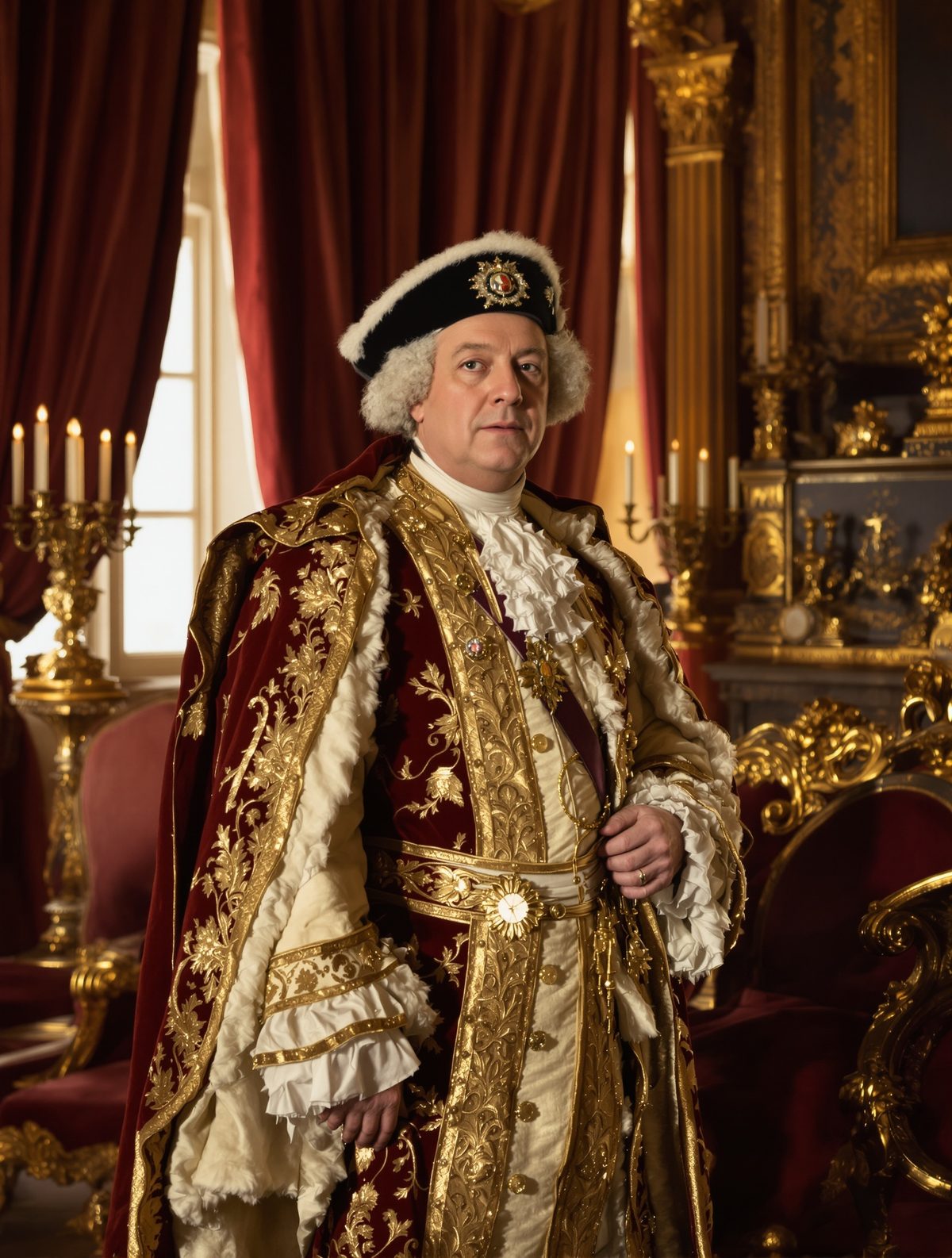
The morning of October 25, 1760, began like any other for King George II at Kensington Palace. The 76-year-old monarch rose at his customary early hour, following the precise daily routine that had governed his life for decades. After thirty-three years on the throne, George II was nothing if not a creature of habit. He dressed, took his morning chocolate, and retired to his private water closet—a routine so ordinary that his German valet, Johann Zoffany, thought nothing of waiting respectfully outside the door. Then came the crash that would echo through royal history.
The King Who Defied Death on Battlefields
To understand the profound shock of George II's sudden demise, one must appreciate the extraordinary vitality of this remarkable monarch. Born in Hanover in 1683, George Augustus had cheated death more times than perhaps any British sovereign before or since. At the Battle of Dettingen in 1743, he became the last British king to personally lead troops into battle, his horse shot from under him as French cannonballs whistled overhead. At sixty years old, he had shown the courage of a man half his age.
Even in his seventies, George II maintained an almost superhuman energy that exhausted courtiers decades younger. He walked briskly through the gardens of Kensington Palace daily, conducted lengthy audiences with ministers, and pursued his passionate correspondence about military affairs across Europe. His physicians marveled at his robust constitution—here was a king who seemed destined to rival his eventual successor's longevity.
The irony was not lost on those who knew him well. This was a monarch who had faced down enemy armies, survived political conspiracies, and weathered the death of his beloved wife Caroline in 1737. That such a lion of a king should meet his end in so humble a location seemed almost impossible to believe.
A Morning That Changed Everything
The events of that October morning unfolded with devastating swiftness. Contemporary accounts, pieced together from the testimonies of palace staff and court physicians, paint a picture of shocking suddenness. George II had appeared in perfect health the previous evening, dining well and discussing plans for the coming weeks with his attendants.
His valet heard the king moving about normally in the water closet—then came the terrible crash. When Zoffany called out and received no response, he waited the appropriate interval before daring to investigate. What he discovered would traumatize him for life: His Majesty had collapsed, striking his head against a cabinet as he fell. The King of Great Britain, Ireland, and Hanover was unconscious and barely breathing.
Palace physicians were summoned immediately, but their efforts proved futile. Dr. Frank Nicholls, the royal physician, later recorded that the king appeared to have suffered what we would now recognize as a massive heart attack or stroke. Within minutes of the valet's discovery, George II was pronounced dead, his body still wearing the simple morning attire he had donned for his daily routine.
The news sent shockwaves through Kensington Palace and beyond. Courtiers who had served the king for decades struggled to process the reality that their seemingly indestructible monarch was gone. The Earl of Huntingdon, who had known George II for over twenty years, reportedly wept openly upon hearing the news.
The Undignified End That Horrified the Court
For the Georgian court, with its elaborate emphasis on ceremony and dignity, the circumstances of the king's death presented an unprecedented crisis. The very idea that a monarch—God's anointed representative on earth—could die in such humble circumstances challenged the fundamental principles of royal mystique that underpinned the entire system.
Contemporary letters and diaries reveal the genuine distress this caused among the nobility. The Duke of Newcastle, a longtime confidant of the king, wrote privately of his horror that such a great monarch should meet such an "undignified conclusion to a magnificent reign." The contrast between George II's glorious military career and the reality of his final moments seemed almost cruel in its irony.
The practical challenges were equally daunting. How does one announce to the nation that their king has died on the toilet? The official proclamations of the time tactfully referred only to the king having been "found expired in his private apartments," with no mention of the specific location. This diplomatic language became the template for all future royal death announcements—a legacy that persists to this day.
Perhaps most significantly, the incident exposed the vulnerability of monarchy itself. If death could claim even George II in such an undignified manner, what did this say about the divine nature of kingship? These were questions that troubled theologians and political philosophers for years afterward, though they were rarely discussed openly in polite society.
Revolutionary Changes to Royal Protocol
The immediate aftermath of George II's death saw the most comprehensive overhaul of royal bathroom protocol in British history. The new king, George III, was deeply affected by accounts of his grandfather's lonely final moments and was determined that no future monarch should die unattended.
New regulations were swiftly implemented requiring that a trusted attendant always remain within earshot of the sovereign during private moments. The physical layout of royal water closets was redesigned to prevent dangerous falls, with padding added to hard surfaces and emergency bell pulls installed within easy reach. These modifications, while practical, represented a fundamental shift in how the monarchy approached the basic human needs of its sovereign.
More broadly, the incident led to enhanced medical monitoring of royal health. George III instituted daily check-ins with court physicians and insisted on regular health assessments—practices that evolved into the comprehensive royal medical teams that serve the monarchy today. The traumatic loss of George II created a culture of vigilance around royal wellbeing that has protected countless monarchs since.
The psychological impact on royal routine was equally profound. Future kings and queens became acutely aware of their mortality in ways their predecessors had perhaps avoided contemplating. This awareness, while sobering, often led to more purposeful and urgent approaches to their duties—a silver lining to an otherwise tragic event.
A Legacy Written in Palace Stone
The water closet where George II breathed his last was quietly sealed and never used again, becoming an unofficial shrine within Kensington Palace. Successive monarchs would walk past that doorway knowing they were treading ground hallowed by royal tragedy. The room eventually was converted to other purposes, but palace staff continued to speak of it in hushed tones for generations.
Perhaps most remarkably, George II's undignified death ultimately enhanced rather than diminished royal dignity. By acknowledging the human frailty of monarchy and implementing protocols to address it, the institution demonstrated its capacity for growth and adaptation. The very fact that such an incident could occur—and be handled with grace—proved the resilience of the Crown.
Today, as we watch our current royals navigate the complexities of modern life while maintaining ancient traditions, we might reflect on how much the monarchy owes to that terrible October morning in 1760. The protocols born from tragedy have undoubtedly saved royal lives and preserved royal dignity countless times since. In death, George II gave his successors a gift he never intended: the knowledge that even kings are mortal, and the wisdom to plan accordingly.
The crash that echoed through Kensington Palace that morning still resonates today in every safety protocol, every medical check-up, and every moment of watchful care that surrounds our modern monarchy. Sometimes the most profound changes spring from the most unexpected sources—even a royal bathroom break that changed the Crown forever.