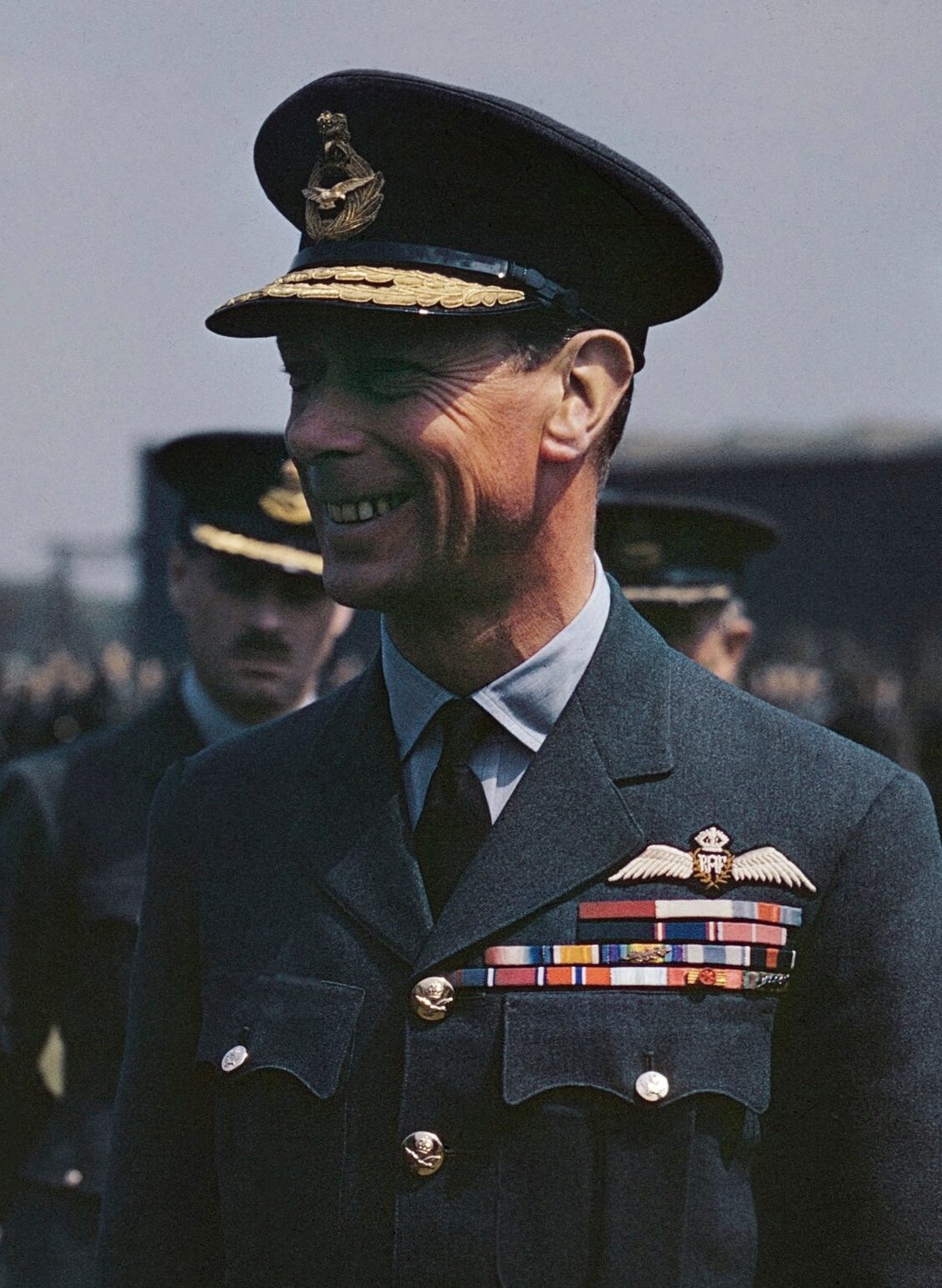
In the darkest nights of London's Blitz during World War II, when chaos and fear reigned supreme, a gentle beacon of hope slipped quietly into the city's public shelters. It was King George VI, the reluctant monarch with a profound sense of duty and empathy, choosing to do more than just inspect the damage wrought by war's unforgiving hand. Unheralded, unaccompanied by photographers, the King found his purpose seated amongst families and, most endearingly, surrounded by children who had lost their homes, their safety, and perhaps even a sense of normalcy. Armed not with royal decree or speech, but with the humble gift of storytelling, King George VI read aloud to these exhausted young souls until they drifted into a peaceful sleep.
The Monarch with a Story
King George VI, affectionately known as Bertie to his family, ascended the throne in 1936 after the abdication of his brother, King Edward VIII. This unexpected shift thrust him into the limelight, a position both daunting and demanding for the reserved, stammering second son. Yet, it was his innate understanding of human vulnerability that made Bertie a beloved figure. During the harrowing days of the Blitz in 1940, he went beyond the formalities of royal protocol and addressed the aching need for comfort among the nation's children.
In these moments, the King transformed into an affectionate guardian of sorts, offering solace and compassion through the age-old tradition of bedtime stories. His narratives served as a refuge, a place where dragons were vanquished, and courage was rewarded—a narrative parallel to the resilience expected of the British people amidst the bombings.
A Quiet Visit
These clandestine visits were no mere gestures of royal obligation. The King traversed the city, visiting different shelters unannounced, a witness not only to structural resilience but also human endurance. No pageantry, no pomp—just a man, his stories, and the trust of a populace that understood this was an extraordinary interaction, bridging the rarefied world of royalty with the everyday struggles of his subjects.
Outside the war-torn streets, London was a city under siege, experiencing relentless bombardment that left little time for the luxury of stable routine. Within the shelters, the landscape was markedly different. Therein lay a bulletin of hope spun from the pages of fairy tales and classic fables, as King George VI read from well-loved books, readily familiar to these young listeners.
Books as Beacons
The choice of stories was particular, often shared from noted children's authors of the era such as A.A. Milne and Beatrix Potter. Stories filled with whimsy and adventure provided an escape, if only temporarily, from the drear reality above ground. The characters in these books became steadfast companions, their victories symbolic of the triumphs to be emulated in the face of fear and uncertainty.
King George's participation extended beyond mere reading. He engaged with the children, asking about their favorite parts and listening as they related stories from their turbulent lives. This was not just about the act of reading but a genuine attempt to forge a connection, to afford each child a moment's respite from the storm outside—his presence a salve for the young evacuees' troubled spirits.
A Royal Gesture of Empathy
For families cowering in the darkened corners of these shelters, the King's presence was undeniably affirming. The Queen Consort, Elizabeth, later known as the Queen Mother, often accompanied him on these ventures, both reinforcing a narrative of familial unity and concern. The quiet yet grand acts of kindness demonstrated during these visits highlighted an aspect of monarchy humanity often yearns for—the monarchy that listens and consoles.
These acts of compassion greatly endeared the royal family to the public and served as a testament to the strength of the ties binding a nation under siege. While history may not record every verse read or adventure narrated, these shadowed nights remain luminous episodes, exemplifying the monarchy's capacity for empathy and solidarity with its people.
A Legacy of Compassion
Fast-forward to modern times, and the link between the past and the present remains pertinent. The current sovereigns continue to walk among their subjects not just as rulers, but as figures exemplifying compassion and resolve. Today's royals stand in the legacy of King George VI, whose small yet significant visits amidst the Blitz remind us of the enduring power of human connection.
The tale of King George VI and his bedtime stories is more than a heartwarming anecdote—it is a reminder of the monarchy's potential to bridge chasms of class and circumstance to reveal the commonality of shared humanity. It is a glowing testament to the monarchy's role in offering solace during periods of profound distress, nurturing a bond with the people that transcends mere duty.
In remembering these stories, the legacy of the royal family's past—wrought in empathy and quietude—echoes into the present, asserting the timeless relevancy of kindness in leadership. As we navigate today's challenges, perhaps we can find inspiration in the memory of those evenings in the shelters, where stories and solidarity reigned supreme.
📷 Photo: Royal Air Force official photographer. Public domain via Wikimedia Commons.