In the shadow of the Second World War, as the bombs illuminated the night sky over London and food rationing tightened its grip on citizens, King George VI did something remarkable. With a country in turmoil and an empire at war, he took an unprecedented step: the ornamental lawns of Windsor Castle, manicured and majestic, were transformed into practical wartime allotments. The lawns of royalty gave way to rows of vegetables, tended by a king who put aside his crown and donned the gardener's gloves, mud smeared on his knees, for the sake of his people.
The Emergence of a King-Gardener
It was 1940, and in many ways, the world seemed upside down. Europe was consumed by war, and Britain stood on the precipice. Amidst this chaos, King George VI, a monarch not by natural inclination but by a twist of fate, found strength in what became one of his most earnest projects. With typical humility and a compelling need to serve his nation, he decreed that the grandeur of Windsor Castle's landscaped lawns be repurposed for vegetable cultivation.
This wasn’t a mere token effort to show solidarity. The King actively participated in the digging, planting, and nurturing of these plots. With rationing severely impacting the nation, fresh produce was a scarce luxury. Desiring to set an example and instill hope, King George VI’s actions were a powerful statement to the nation: their King was suffering alongside them, undertaking strenuous labor that mirrored the sacrifices made by ordinary citizens.
The Inspiration Behind the Allotment
The idea of digging for victory resonated deeply within the British psyche during World War II. The Ministry of Agriculture’s campaign promoted home gardening to supplement food rations and boost morale. Yet, for a monarch to take up this plea was both unexpected and inspiring. King George VI’s choice to devote a portion of Windsor’s prestigious landscape to vegetable production was a demonstration of solidarity and leadership by example.
By 1942, Britain's wartime efforts had reached critical intensity. As the demand for home-grown food increased, King George VI was often seen, sleeves rolled up, working tirelessly under the sun. This powerful visual served not only as a morale booster but also a unifying symbol, depicting a monarch profoundly connected to his people and attuned to their hardships.
Courtly Concerns and Quiet Transformations
The royal court, bound by centuries of tradition, found itself navigating an era of necessary transformations. Inside Windsor Castle, wartime constraints reshaped everyday life. While the grand halls continued to echo the footsteps of royal duty, there was a noticeable shift from opulence to utility. Official events were minimized, resources were conserved, and even the lavish royal dinners were scaled down to reflect the meager rations available to the public.
The King’s decision to engage in the literal groundwork symbolized a shift in royal service, from a life of ceremony to one of practicality. Despite concerns from courtiers about the King’s involvement in such physically demanding labor, George VI’s quiet determination prevailed. It was his belief that leadership in times of crisis required personal involvement, proving his resolve to be an indelible chapter of his legacy.
The Widespread Impact
Across the nation, pictures and reports of the King’s horticultural efforts emerged as a source of great inspiration. The images of his earnest labor in the dirt of Windsor Castle’s grounds reverberated through British society, reaffirming the bond between the monarchy and its subjects. Newspapers covered the transformation with admiration, placing the King alongside the farmers, soldiers, and workers each doing their part for the war effort.
This royal initiative inspired many in the populace to follow suit. As citizens mirrored the King’s vegetable patches in their backyards and community plots, a sense of unity and shared purpose swept through the nation. Every carrot harvested in Windsor was a testament to resilience, a message that perseverance would prevail against adversity.
A Legacy of Leadership
As we look back at King George VI’s wartime contributions, it becomes clear that the symbolic power of the Windsor allotments stretched far beyond the nutritional value of the vegetables they produced. They represent the King’s profound commitment to equating royalty with responsibility, a model of leadership both humbling and empowering. By working the soil, King George VI cemented his place not only as a leader in times of war but as a gardener of hope in the hearts of a generation.
Today, the ethos of shared sacrifice and resilience perseveres, echoing through modern challenges. The King's actions remind us that genuine leadership entails shared burdens and a willingness to step down from pedestals to walk amongst one’s people. In an era where societal chasms seem ever-widening, King George VI’s modest allotment serves as an enduring reminder of unity and empathy in leadership.
The story of King George VI’s secret wartime allotment at Windsor Castle tells of a monarch who transformed gardens to nourish spirits as much as bodies—a testament not merely interred in history but living daily in the collective consciousness of the British people.
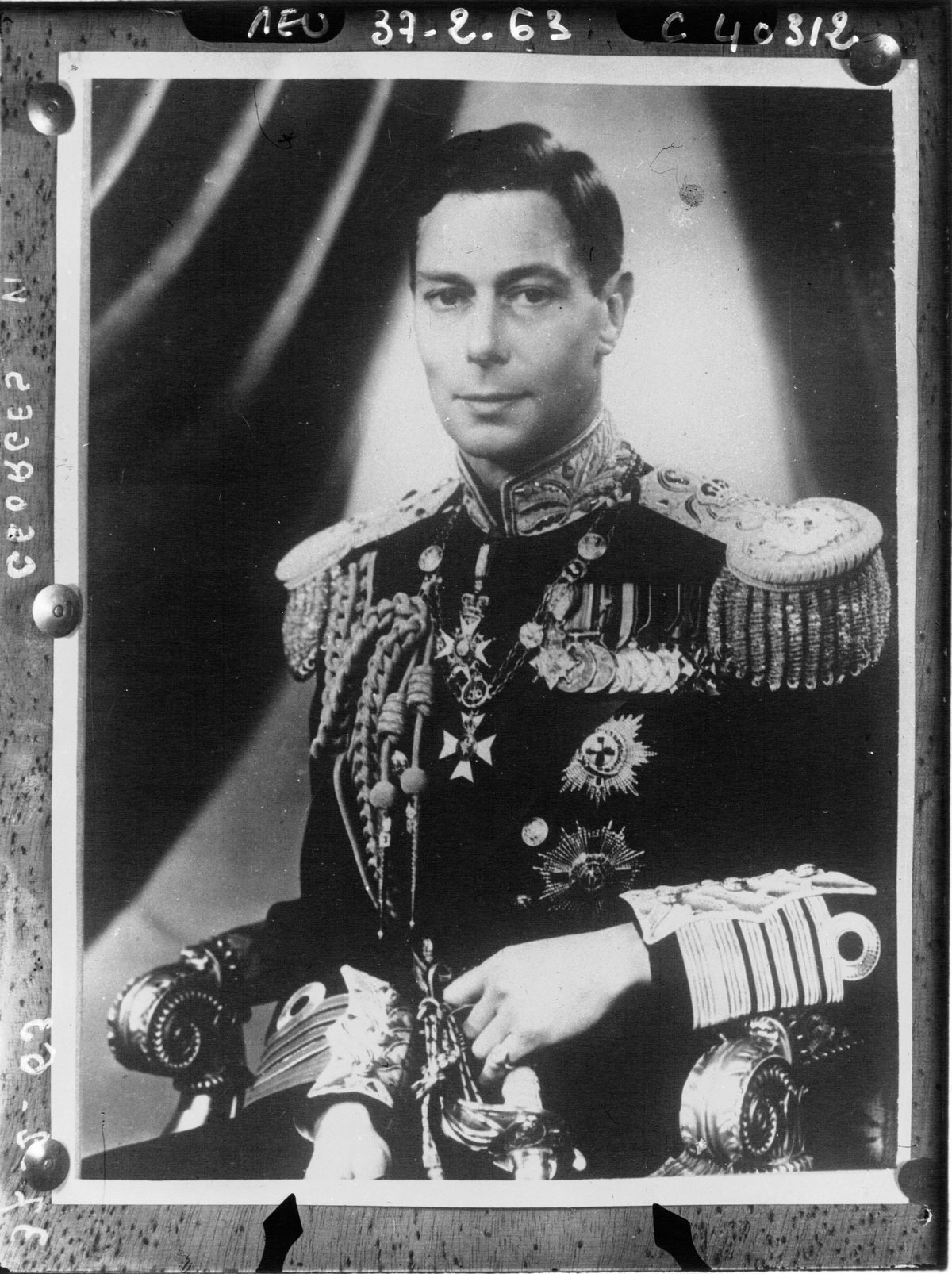
📷 Photo: Agence de presse Meurisse. Agence photographique (commanditaire). Public domain via Wikimedia Commons.