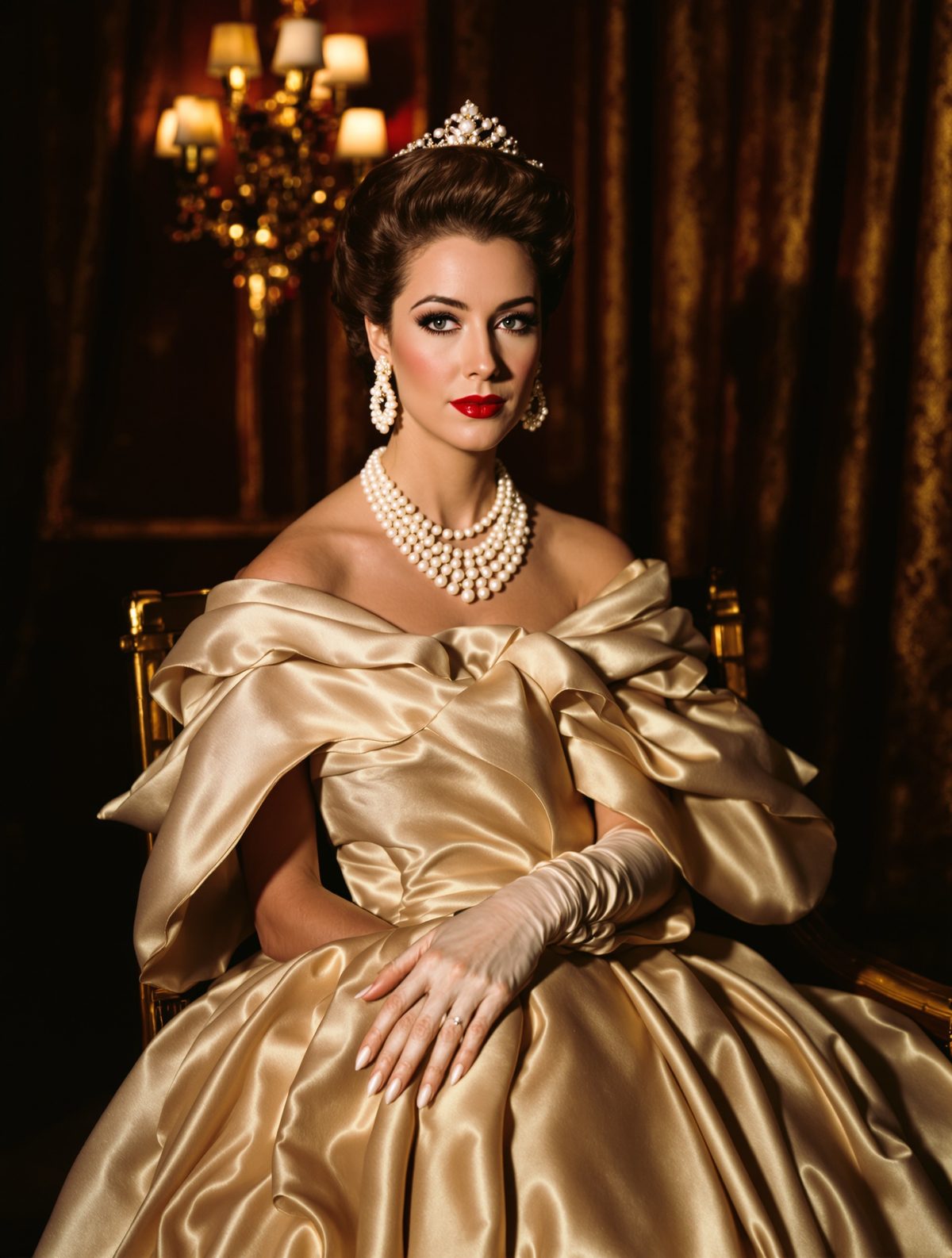
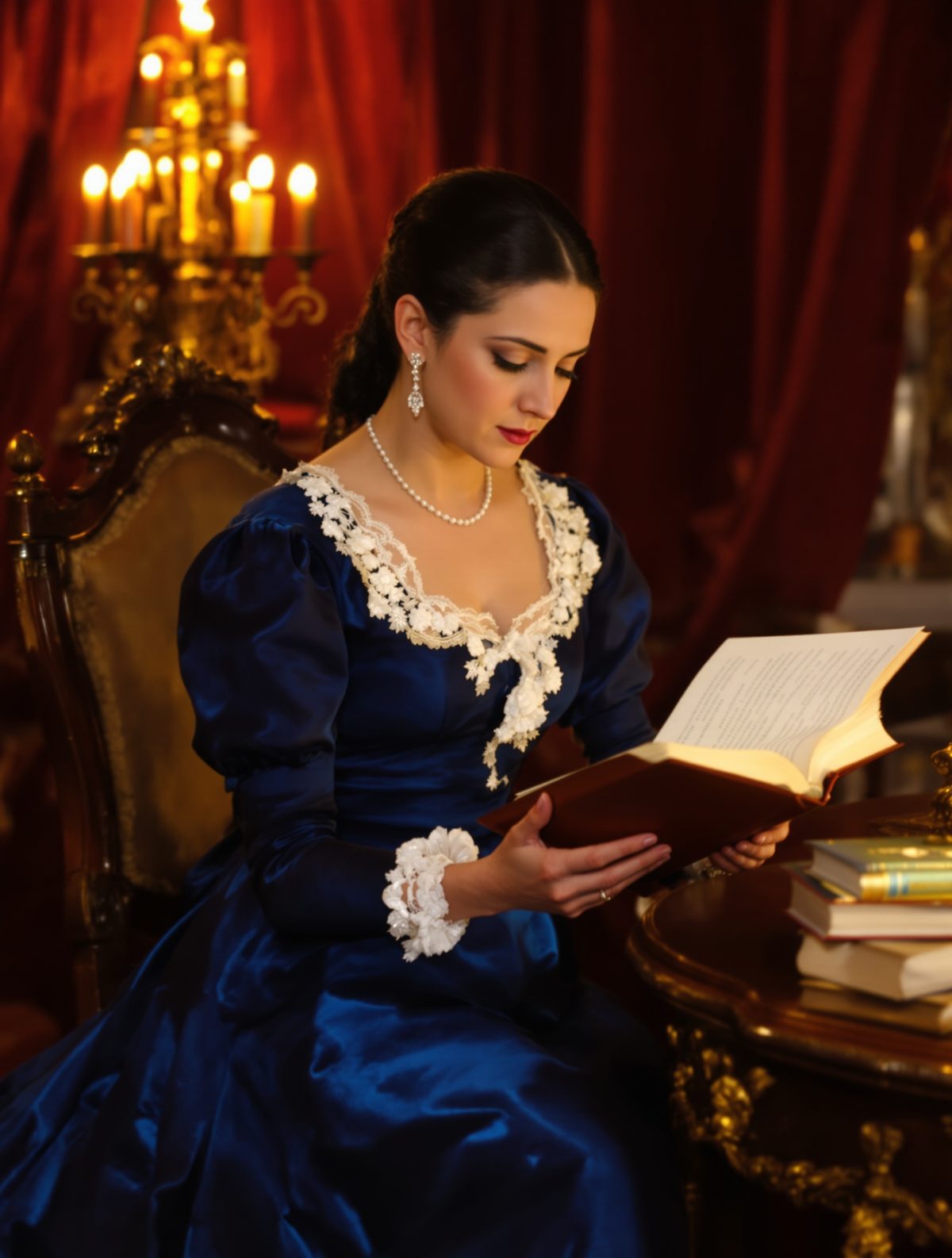
In the gaslit corridors of the New Palace in Darmstadt, a princess bent over forbidden texts while her household slumbered. Princess Alice of the United Kingdom, second daughter of Queen Victoria, was defying every convention of Victorian womanhood as she traced anatomical diagrams by flickering candlelight. What began as secret midnight study sessions would ultimately transform her into one of the most capable medical practitioners in German nobility—and save the lives of her own children when palace physicians failed them.
A Princess's Unconventional Education
Princess Alice had always possessed an insatiable curiosity that unsettled the rigid expectations of royal life. Born in 1843, she came of age during an era when ladies were expected to confine their intellectual pursuits to watercolours, piano recitals, and perhaps a smattering of French poetry. Medical knowledge was considered not merely inappropriate for women of her station, but positively unseemly.
Yet Alice harboured a deep fascination with healing and human anatomy that no amount of maternal disapproval could extinguish. After her marriage in 1862 to Louis IV, Grand Duke of Hesse, she found herself with greater freedom to explore these forbidden interests. The grand ducal library became her sanctuary, where she devoured medical treatises with the same intensity other princesses might reserve for the latest fashions from Paris.
Her clandestine studies extended far beyond casual reading. Alice systematically worked through complex anatomical texts, memorising the intricate workings of the human body with remarkable precision. She studied the properties of medicines, the progression of diseases, and the delicate art of patient care. What made her pursuit even more extraordinary was her determination to apply this knowledge practically, often tending to servants and local villagers who couldn't afford proper medical attention.
Royal Disapproval and Victorian Sensibilities
Queen Victoria's reaction to her daughter's medical interests was swift and severe. The Queen, who had spent decades carefully crafting the image of royal womanhood around moral purity and domestic virtue, viewed Alice's pursuits as dangerously radical. In correspondence between mother and daughter, Victoria made her feelings abundantly clear: such studies were inappropriate for a lady of royal blood.
The Victorian medical establishment shared the Queen's horror. The very idea that a princess might understand the human body in scientific detail challenged fundamental assumptions about feminine delicacy and propriety. Alice's growing reputation as someone who could diagnose ailments and recommend treatments caused considerable scandal among the German nobility, who whispered that the Grand Duchess had forgotten her proper place.
But Alice remained undeterred. She understood that her position afforded her unique opportunities to help others, and she refused to let social conventions prevent her from developing skills that could genuinely save lives. Her persistence in the face of such criticism revealed a strength of character that would prove invaluable when personal tragedy struck her family.
When Crisis Struck: The Diphtheria Outbreak of 1878
In November 1878, Princess Alice faced every parent's worst nightmare when diphtheria swept through her household in Darmstadt. This deadly bacterial infection, which attacked the throat and respiratory system, was one of the most feared childhood diseases of the Victorian era. Within days, six of Alice's seven children had contracted the illness, along with her husband Louis.
The palace physicians, despite their impressive credentials and years of traditional medical training, found themselves helpless against the rapidly spreading infection. Their conventional treatments—bloodletting, purgatives, and various tonics—proved not only ineffective but potentially harmful. As the royal children grew weaker, it became clear that orthodox medicine had little to offer.
It was then that Alice's years of secret study proved their worth. Drawing upon her extensive knowledge of respiratory diseases and bacterial infections, she took charge of her family's care with remarkable competence. She understood the importance of isolation to prevent further spread, the need for proper nutrition to support the immune system, and the critical role of keeping airways clear.
Alice personally nursed each affected family member, applying poultices, administering carefully measured doses of medicine, and monitoring their conditions with the precision of a trained physician. Her detailed understanding of the disease's progression allowed her to anticipate complications and respond swiftly when symptoms worsened.
Tragedy and Triumph
Despite Alice's extraordinary efforts, the outbreak claimed the life of her youngest daughter, four-year-old Princess Marie, in November 1878. The loss devastated Alice, but she continued her tireless nursing of the remaining patients. Her medical intervention undoubtedly saved the lives of her other children and husband, who gradually recovered under her expert care.
The tragic irony of the situation was not lost on observers: while the most qualified doctors in Germany stood by helplessly, it was the princess whom they had dismissed as an amateur who possessed the knowledge and skill to combat the deadly disease. Alice's success highlighted the limitations of traditional Victorian medicine and demonstrated the value of her unconventional education.
Tragically, Alice herself succumbed to diphtheria just three weeks after her daughter's death, on December 14, 1878—exactly seventeen years after her father Prince Albert's passing. She had likely contracted the infection while caring for her family, the ultimate sacrifice of a mother and healer who put others' welfare above her own safety.
A Legacy of Compassionate Service
Princess Alice's story resonates powerfully today as we recognise the courage it took to challenge social conventions in pursuit of knowledge that could help others. Her determination to master medical skills despite fierce opposition from family and society demonstrated a commitment to service that transcended royal protocol.
Her legacy lived on through her surviving children, particularly her daughter Princess Victoria, who inherited her mother's compassionate nature and dedication to humanitarian causes. More broadly, Alice's example helped pave the way for other royal women who would later embrace medical and charitable work as essential elements of their public roles.
In our modern era, when members of the Royal Family regularly champion healthcare causes and medical research, we can trace a direct line back to Princess Alice's pioneering example. Her midnight studies by candlelight illuminate a profound truth: that true nobility lies not in blind adherence to tradition, but in the courage to acquire knowledge and skills that can genuinely help others, regardless of what society might think proper. The princess who shocked Queen Victoria with her unseemly interests ultimately embodied the highest ideals of royal service—placing the welfare of others above personal comfort, convention, and even safety.