In an era where public perception of the royals would often sway with the changing tides of the times, Princess Anne's indomitable bravery in March of 1974 proved that courage could indeed run in the family. Her gallant stance against an attempted kidnapping transformed a harrowing encounter into a tale of resilience that echoes through the corridors of royal history. It was an unprecedented instance where the Princess's quick wit and fearlessness not only defused a perilous situation but also cemented her as a formidable figure within the royal family.
The Night of the Incident
The evening of March 20, 1974, began like any other for Princess Anne. As she attended a charity event in London, she mingled with dignitaries and citizens alike, upholding her duties with the grace expected of a senior royal. The drive back to Buckingham Palace took an unexpected turn as her limousine, a maroon Rolls-Royce, cruised down the Mall, a well-trodden route lined with trees and flanked by historical lamp posts.
It was here, upon this emblematic stretch, that the routine turned into an unexpected ordeal. Suddenly, a Ford Escort swerved in front of the royal vehicle, compelling the driver, Inspector James Beaton, to halt abruptly. What followed was a blur of chaos as Ian Ball, a seemingly ordinary man with sinister intentions, emerged wielding a gun. His target was Princess Anne, whose composure in this crucial moment would define both herself and this fateful evening.
The Unfolding Drama
Despite the alarming situation, Princess Anne maintained a remarkable calm. As Ball demanded that she vacate the vehicle, the Princess, known for her stoic demeanor and no-nonsense attitude, delivered a reply that would be remembered for its startling courage. Her words were simple yet defiant: "Not bloody likely." It was a fearless declaration that underscored her refusal to yield to aggression.
With gunfire ensuing, the assailant seriously injured several individuals, including Inspector Beaton, who displayed exemplary bravery in shielding the young royal. Fellow protectors and passersby found themselves embroiled in the confrontation. Despite the escalating danger, Princess Anne’s resolve did not falter. Her determination and presence of mind during this intense and volatile encounter painted a vivid portrait of the Princess as both regal and robust.
In the Eyes of the Nation
These events captured the attention of the nation and the world, with Princess Anne's actions resonating deeply. For a public so familiar with royal poise from afar, her tenacity brought a tangible human edge to the regal mystique. This episode stripped away any lingering illusions surrounding the vulnerability of the royal family, emphasizing that their roles were not merely ceremonial but also fraught with unpredictable dangers.
The backdrop of the 1970s, layered with social change and tumult, saw the British monarchy navigating a landscape of evolving public scrutiny. Against this dynamic milieu, Princess Anne’s stalwart response injected a renewed sense of admiration and respect towards the royal institution. Her steadfastness reminded people that despite the grandeur, royals too must face challenges with courage sometimes beyond expectation.
The Aftermath and Legacy
Following the incident, notable awards were granted to the brave individuals involved, recognizing their courage and self-defense during the fracas. Inspector Beaton was awarded the George Cross for his exemplary actions, while others received various honors acknowledging their gallant efforts to protect the Princess. The royal family and the country united in gratitude for the bravery displayed, further solidifying the public’s endearment to Princess Anne and those who risked everything for her safety.
In the years that followed, Princess Anne's natural affinity for duty and service evolved into her hallmark. As a working royal, she engaged diligently in a variety of charitable causes and represented the monarchy on countless occasions, bringing forth a blend of strength and compassion. Indeed, her actions on that fateful evening informed a greater narrative about enduring pressure with resilience and grace.
Reflection on Royal Resilience
The dramatics of March 1974 now rest as a poignant chapter in royal history. Princess Anne’s steadfast response not only averted potential calamity but underscored the strength imbued within her as both an individual and a royal representative. Her unwavering demeanor highlighted a quintessential trait often attributed to the House of Windsor: resilience.
Today, as the monarchy continues to evolve with changing times, the legacy of Princess Anne's bravery serves as a cherished reminder of the human spirit's capability to endure under pressure. This story reinforces the idea that while the modern world offers royals the chance to connect more closely with the public, it is in these moments of gravity that their true character often shines most brightly. Princess Anne remains a stalwart embodiment of the heart and fortitude that fuels the British monarchy, a lineage that continues to thrive amidst challenges with dignity and distinction.
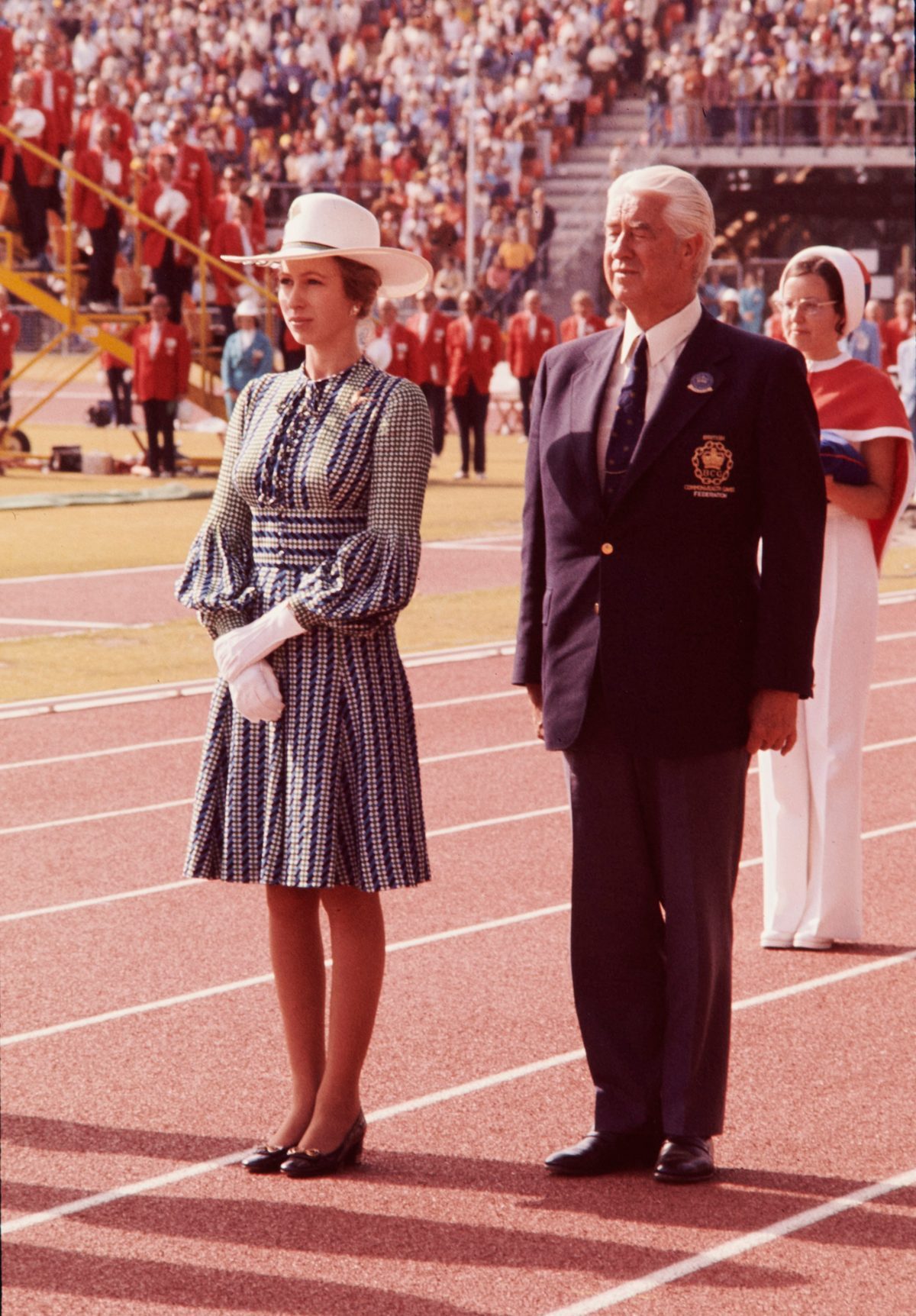
📷 Photo: Archives New Zealand. CC BY 2.0 via Wikimedia Commons.