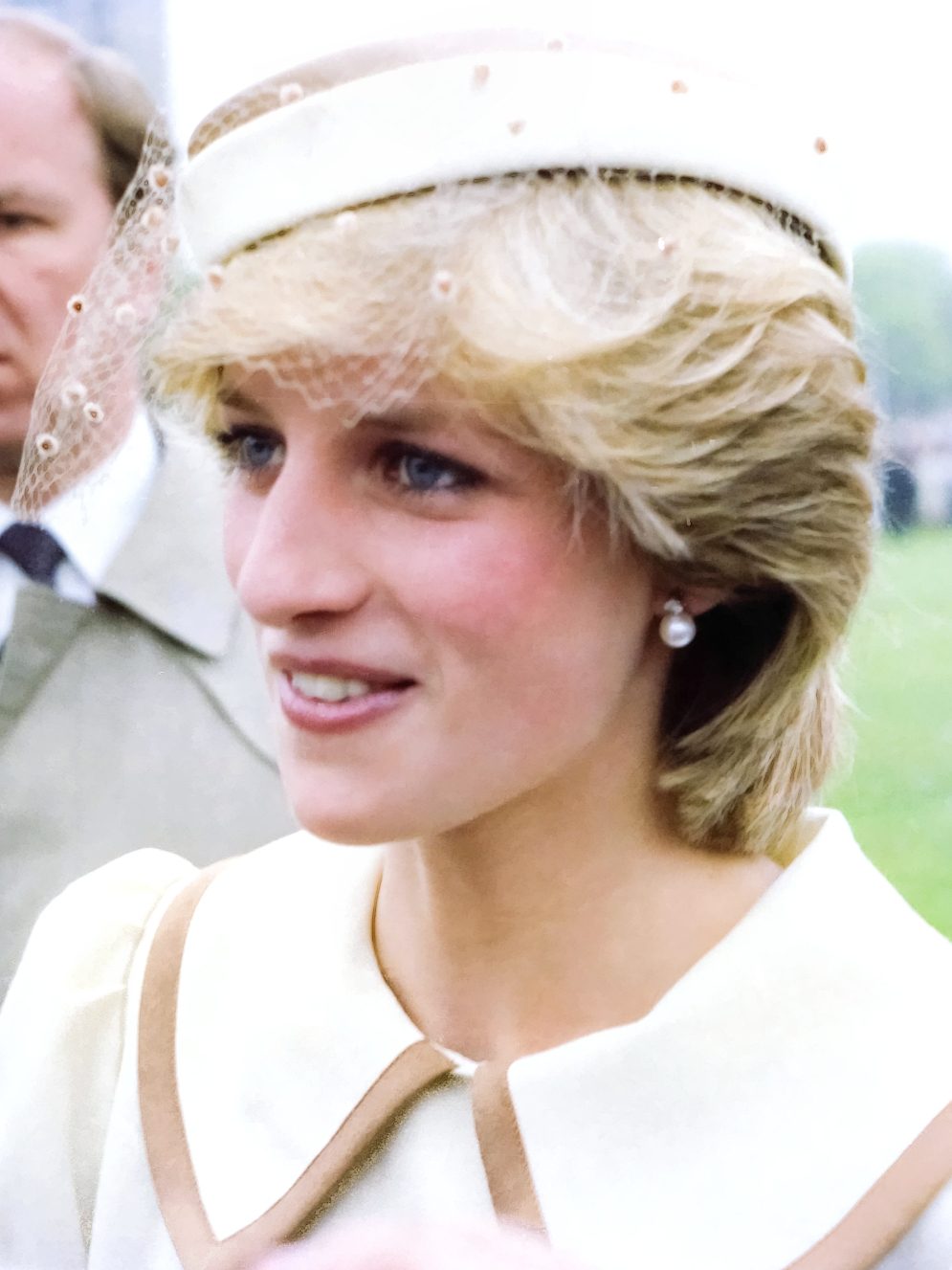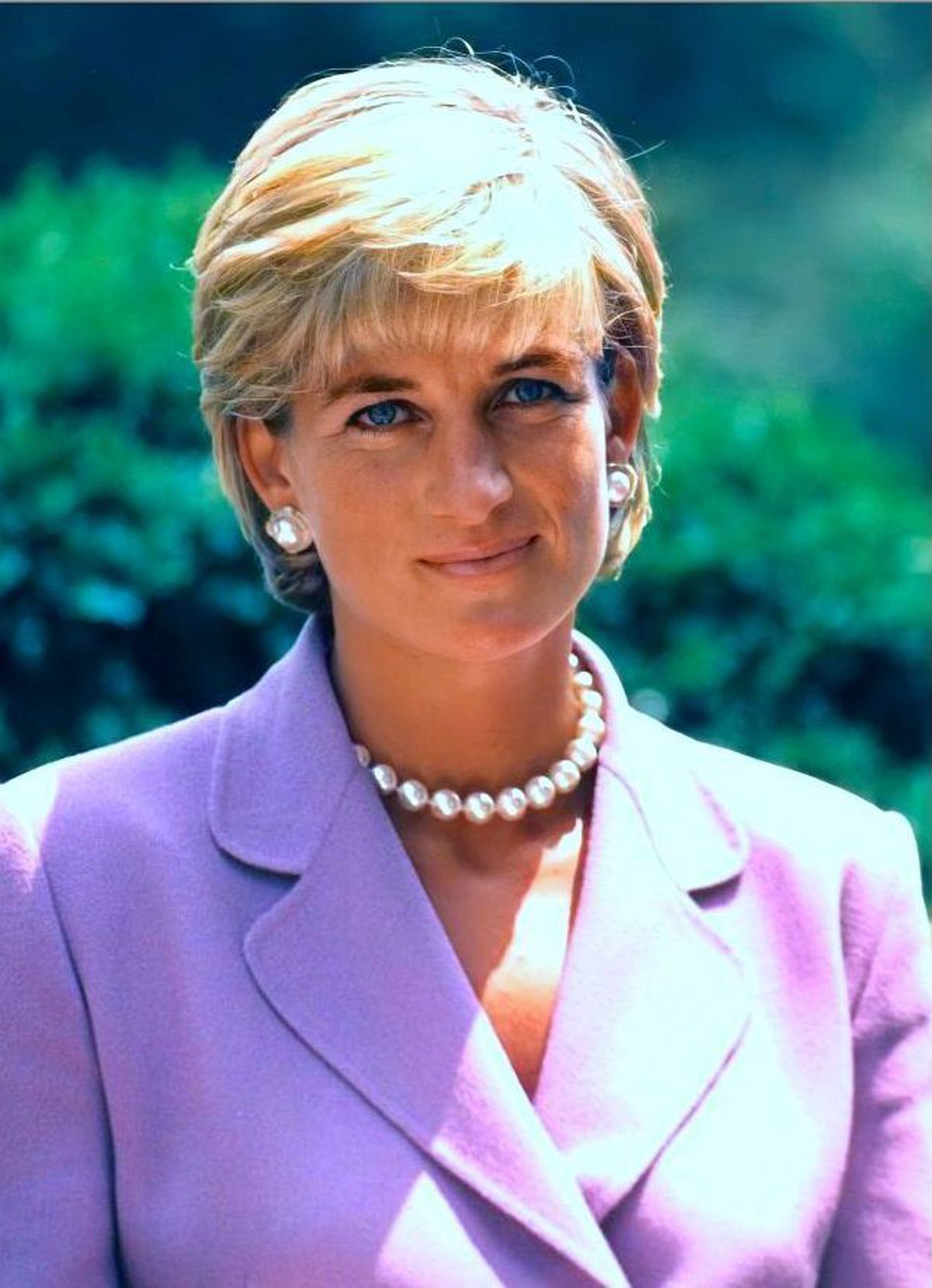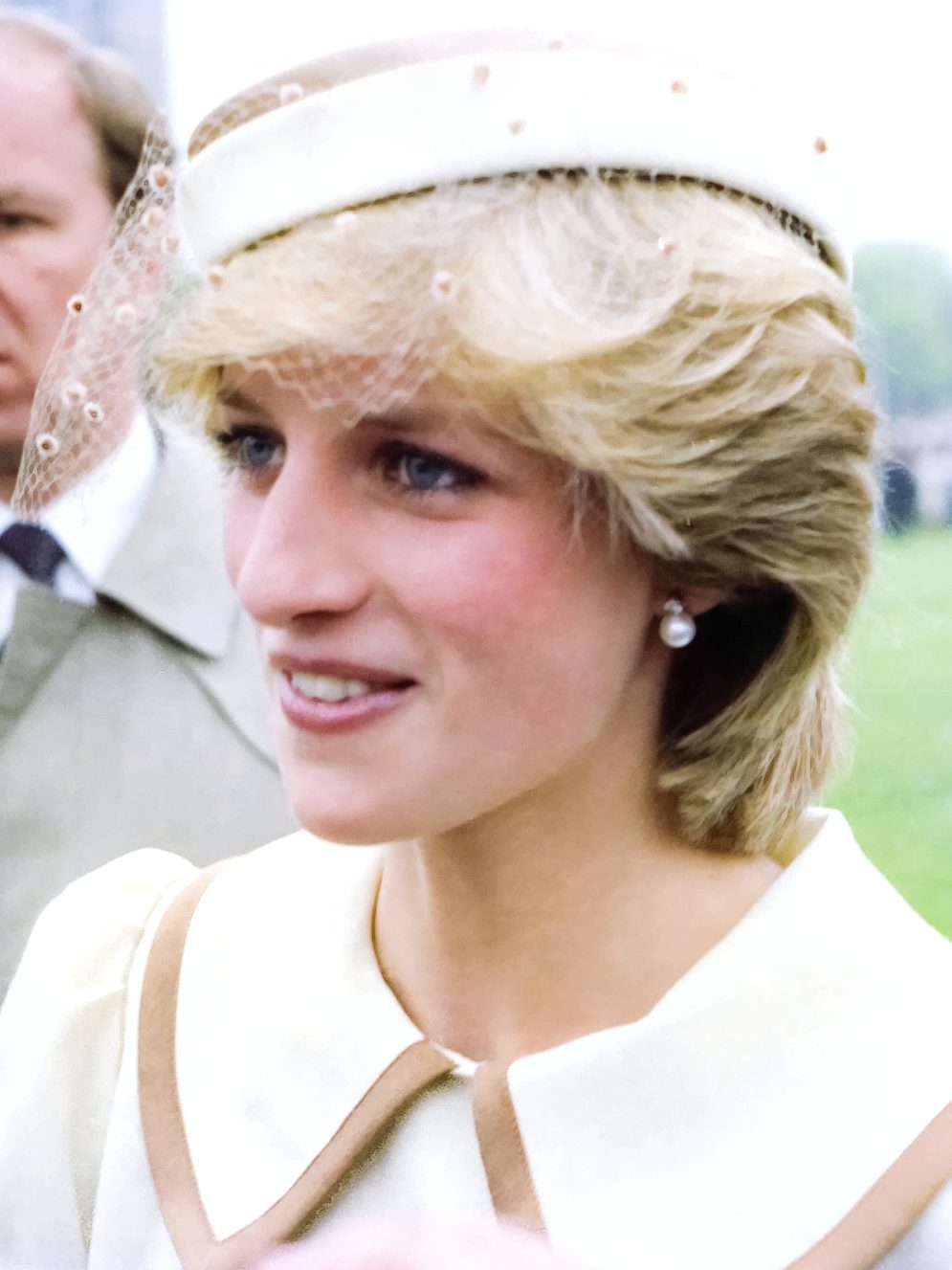
On a crisp September morning in 1987, Princess Diana did something so profoundly simple yet utterly transformative that it captivated the hearts of people all around the globe. For the first time in British royal history, a princess didn't just send her son to school. She escorted him, walked hand-in-hand with him, and spent time with him in his new environment. This was not just any child; this was Prince William. And it was not just any mother; this was Diana, the 'People's Princess,' who reshaped modern perceptions of royalty through acts of warmth and humanity.
A Step Towards Modern Monarchy
It was more than tradition for royal children to attend prestigious schools, often away from the public eye and under the guidance of nannies or royal aides. In contrast to this legacy of detachment, Diana took the revolutionary step of accompanying William to his first day at Wetherby School in Notting Hill. This gesture did not merely break from established practices; it signaled a shift towards a more relatable, approachable monarchic image.
On that day, dressed elegantly and wearing her signature, captivating smile, Diana perfectly balanced her royal grace with maternal compassion. Unlike previous royal mothers who relied heavily on the court, Diana was determined to take a more hands-on approach, nurturing her sons with care that extended beyond palatial walls. Her public display of tender affection marked a shift not only in her motherhood style but also in how royals connected with the public.
The Day Unfolds: A New Chapter for William
Within the gates of Wetherby School, Diana's presence intrigued not just the press but the parents and children alike. As she guided a young Prince William through the front doors, her very demeanor spoke volumes about her dedication to her sons. She sat with him on pint-sized chairs, publicly allowing herself to be seen as just another parent, albeit one adorned with the responsibilities of a princess.
Diana took the time to introduce William to his classmates, overseeing every detail with motherly care. She believed in the importance of not just royal protocol but also the human touch, making sure every child felt welcomed. In the eyes of the other children, she was more than a princess; she was "William's mum," approachable and warm.
The warmth of Diana's nature was pivotal in ensuring that William—and by extension, his classmates—felt comfortable in their new environment. Her presence meant that William felt just, like any other child, his insecurity reassured by a mother’s familiar touch. As he mingled with classmates and explored his new classroom, the scenes of that day became emblematic of Diana's commitment to her role as a mother above all else.
Changing Perceptions and Winning Hearts
When Diana walked with William through the doors of Wetherby School, the lenses of the cameras focused not just on their royal status, but on the loving relationship they shared. In a time where public appearances for royals were often orchestrated and precise, Diana introduced a level of vulnerability and authenticity that hadn't been seen before.
Her willingness to share these moments publicly endeared her to the nation and the world. People related to her maternal instincts, her deep-seated desire to prioritize her children's well-being over regal formalities. The press lauded this break from tradition and celebrated her as a refreshing figure within the royal family, highlighting a new wave of relatability.
In the years that followed, William and his brother, Prince Harry, would grow up to partake in similar hands-on parenting styles, inspired undoubtedly by the values instilled by their mother. As future leaders of a modern monarchy, her approach would influence not just the upbringing of her children, but also set a new precedent for the royal family’s interaction with the public.
A Legacy of Love and Authenticity
As we look back on the tender image of Princess Diana holding young William's hand, it stands as a symbol of a woman whose legacy is deeply marked by love and authenticity. She was more than a royal icon; she was a pioneer who bridged the gap between the high walls of royalty and the homes of everyday people through genuine human connection.
Diana's influence endures long beyond her tragically short life. Her approach resonates in the continued evolution of the monarchy, from William and later, Prince Harry, who embrace her values of empathy and engagement. The relational aspect of today’s royal family, eager to understand and connect with the common people, can be traced directly back to the choices Diana made. Her engagement with her children and the public has left an indelible mark on how we view the modern-day monarchy.
As the royal family continues to navigate their unique space in contemporary society, the echoes of Diana's groundbreaking decisions amplify even today. Her humanity, displayed on that significant September day in 1987, forever altered the conventional tapestry of royalty, leaving behind a legacy defined by heartwarming human moments that are remembered with fondness and admiration.
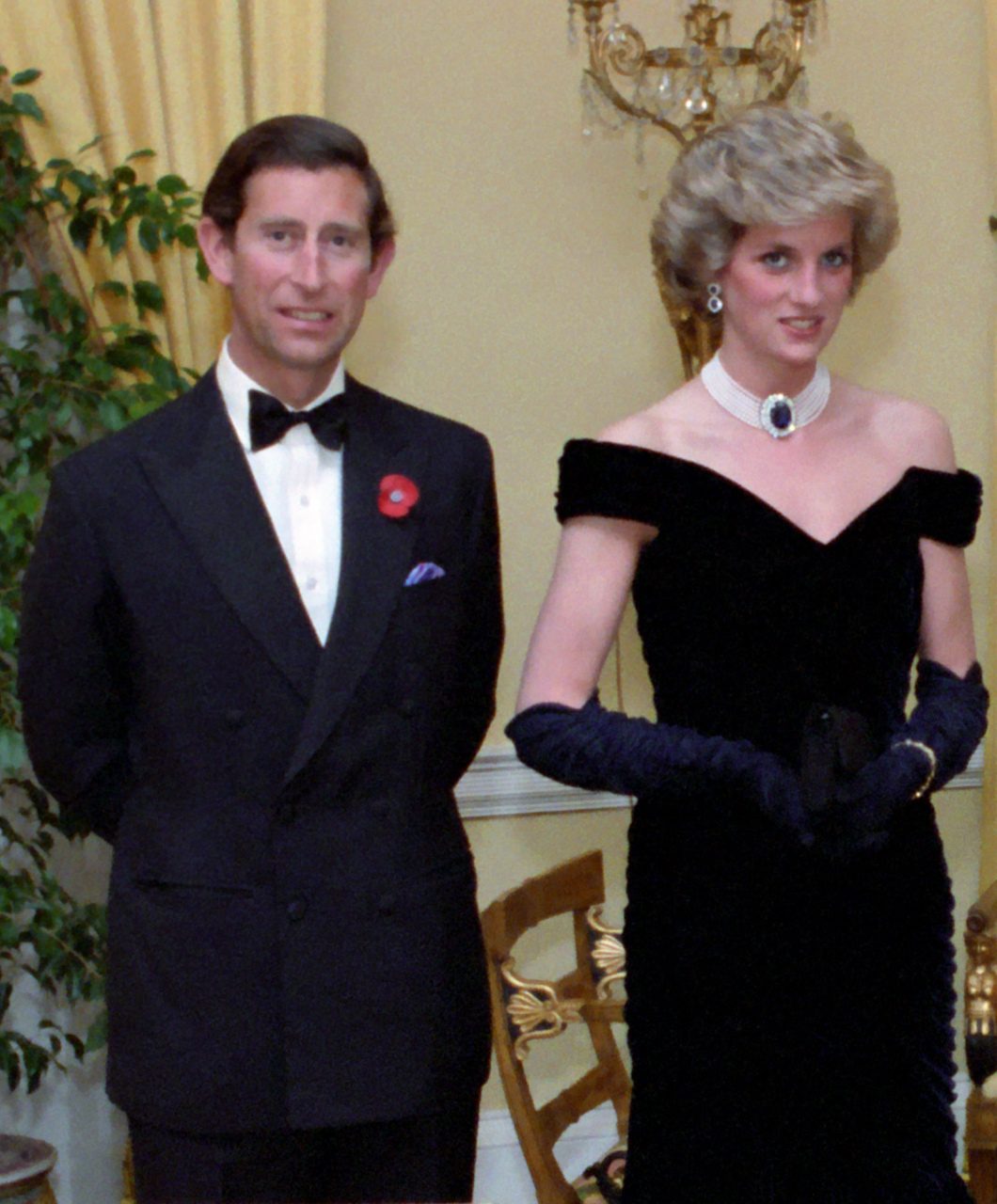
📷 Photo: Series: Reagan White House Photographs, 1/20/1981 - 1/20/1989 Collection: White House Photographic Collection, 1/20/1981 - 1/20/1989. Public domain via Wikimedia Commons.