She could have handed it to a palace secretary without a second thought. Yet, in 1989, Princess Diana chose to sit at her desk and pen the menu for her eldest son’s school gathering herself. The small act might seem inconsequential in the grand tapestry of royal obligations, but it spoke volumes about the type of mother Diana was determined to be. Beyond the titles, the tiaras, and the world stage, Diana’s innate warmth shone brightly, especially in her role as a mother. Her handwritten menu encapsulated the essence of a woman who combined the regal with the relatable.
The People's Princess: Redefining Royal Motherhood
In the gilded corridors of royal history, Princess Diana carved a niche that was authentically her own. Amid the structure and protocol of palace life, Diana emerged as a fresh figure who broke away from tradition, seeking to connect with ordinary people — and, importantly, her own children — in extraordinary ways. One of the defining attributes of Diana's motherhood was her commitment to giving Princes William and Harry as normal an upbringing as possible. Her handwritten menu for William’s gathering was emblematic of this very commitment.
The days of delegating child-related matters to nannies or secretaries were common practice until Diana's epoch-defining approach to motherhood. Despite the convenience of palace staff at her disposal, Diana was hands-on, keen to be involved in the minutiae of her children's lives. The menu she penned wasn't a gourmet parade of polished delicacies but a delightful array of childhood favorites; sausage rolls, crisps, and chocolate fingers served not just as treats but as symbols of Diana's desire to keep her sons grounded.
A Tasteful Insight into Royal Life
Picture the scene: the young Prince William, eyes sparkling with excitement on a crisp late-spring afternoon, as he and his friends gather. The menu included simple yet beloved snacks like sausage rolls and chocolate fingers — comfort foods that resonate with so many childhoods around the world, royals included. At that moment, Kensington Palace wasn’t a monument of reinforced bricks and secured grounds; it was a home filled with laughter, echoes of young voices, and the shared delight of a child’s birthday party.
In the realm of royal anniversaries, grandiosity is often the theme. Banquets and gala dinners echo the majesty of an institution steeped in tradition. Yet, here was a menu that was every bit as familiar as the neighboring family’s school outings. It offered a peek into the informal, loving side of royal life, underscoring Diana's endeavor to normalize her sons’ childhood experiences.
The Heartfelt Humility of Hospitality
Beyond the Jubilee celebrations, the meticulous curations of state dinners, lies the simpler, humbler gestures of hospitality. For Diana, crafting the menu herself wasn't merely about selecting savory snacks and sweet treats. It was about curating moments of joy and camaraderie for her son, fostering an environment where he could feel cherished and appreciated for simply being himself — not just the impending heir to the throne.
The choice to write it by hand denotes an elegant humility — a conscious effort to eschew delegation and personalized attention, despite the demanding commitments of a global royal icon. Diana’s influence was found not just in her charitable work and iconic fashion but in these small, telling acts of love and dedication.
A Lasting Legacy of Love and Accessibility
Princess Diana’s approach to motherhood has left a lasting legacy, instilling a sense of groundedness and empathy in her sons. Many years later, Prince William reflected the lessons learned from his mother in the way he interacts with not just his family but the public. Despite the formality that usually frames royal life, William and his wife, Catherine, the Princess of Wales, often appear approachable and natural, choosing to cultivate a similarly warm, caring family environment for their children.
Diana’s written menu serves as a poignant reminder that amid the grandeur and ceremony, the essence of royalty is not merely in tradition or ceremony but in the warmth of human connection. Her choices continue to ripple through the royal legacy, shaping a modern monarchy that is both relatable and revered.
“Family is the most important thing in the world.” – Diana, Princess of Wales.
As we celebrate the life and influence of Diana today, her handwritten note remains more than a menu; it’s a manifesto of a mother's steadfast love and humanity. This simple act of personalized detail was but a brushstroke on the canvas of her legacy, inspiring future generations to cherish the ordinary, transform it into the extraordinary, and keep humanity at the heart of royalty.
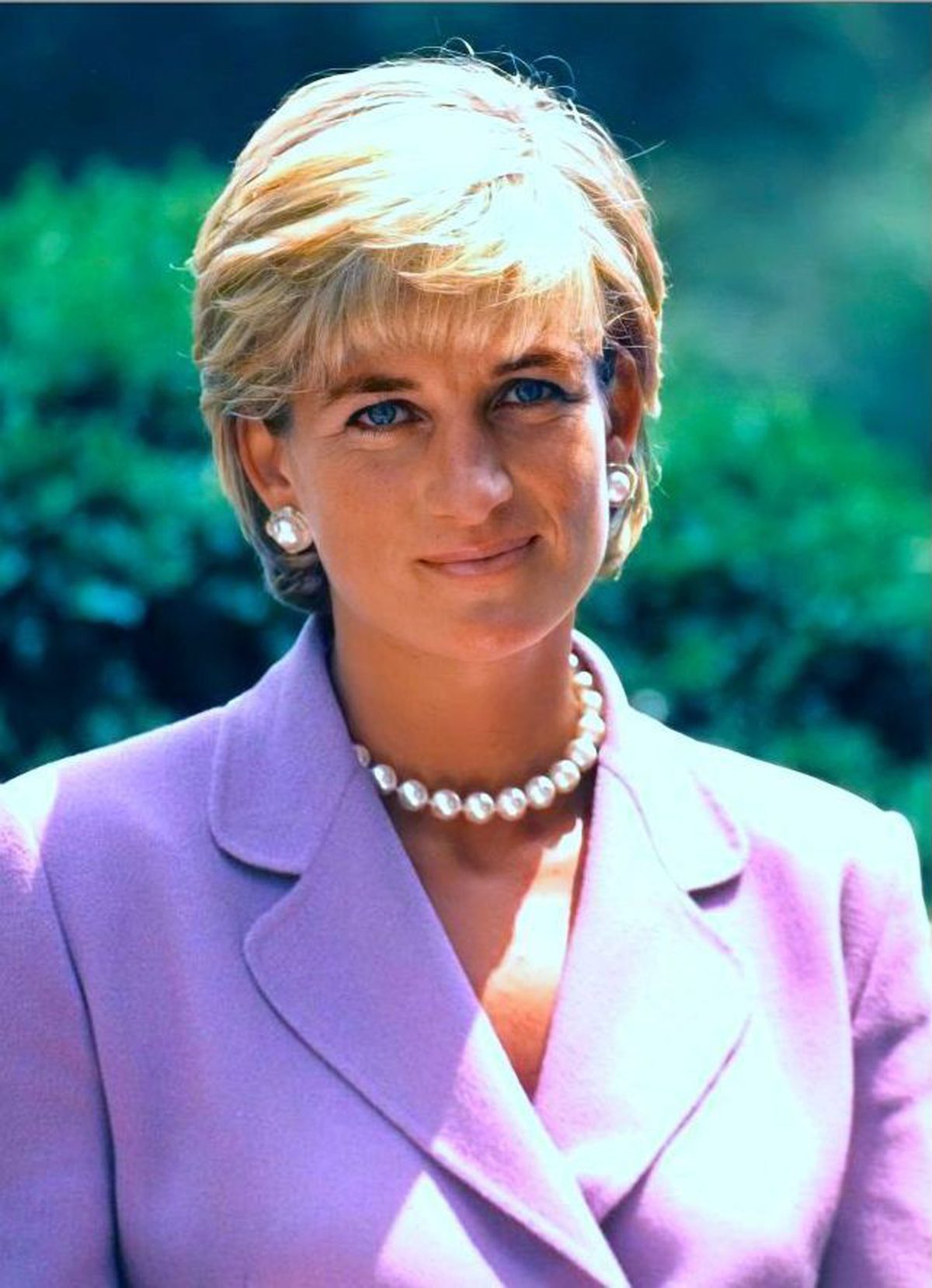
📷 Photo: John Mathew Smith & www.celebrity-photos.com from Laurel Maryland, USA. CC BY-SA 2.0 via Wikimedia Commons.