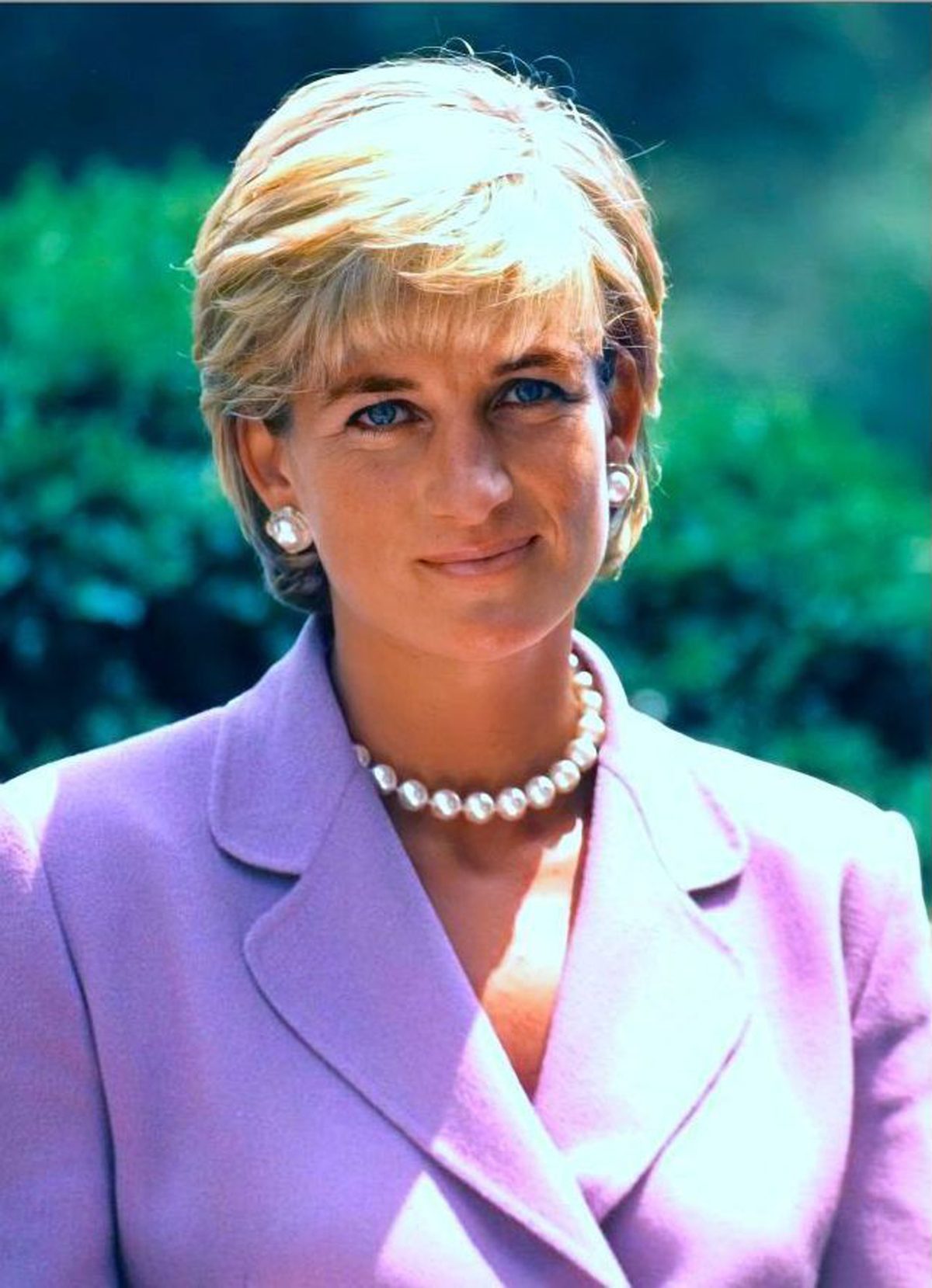
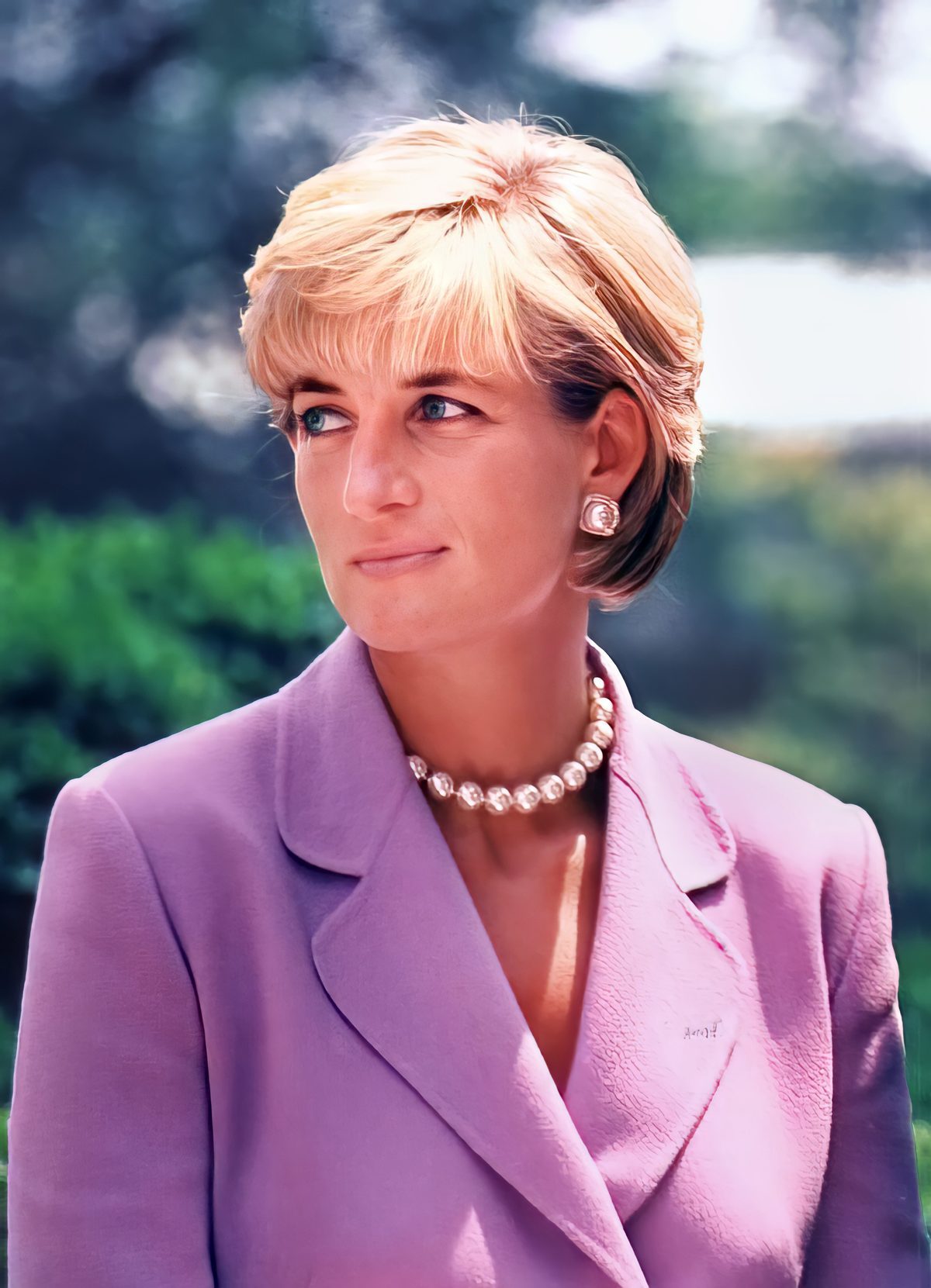
In an era before instant communication, when words on paper held a particular sanctity, one letter managed to convey compassion and warmth in a way that words alone rarely could. In 1995, Princess Diana, the People’s Princess, took it upon herself to respond to a desperate plea from a mother whose teenage son was terminally ill. This mother reached out not expecting a reply; her communication was a shot into the void, a cathartic release born from the depths of parental love. Her astonishment knew no bounds when, instead of a perfunctory note from a palace secretary, she received three handwritten pages from Diana herself. The letter held the kind of personal tenderness that only Diana could deliver, signed simply with 'Diana' and read tirelessly by the boy who cherished it until the very end.
When Words Become Healing Touches
The year was 1995, and the British monarchy was experiencing a transformative period. Princess Diana, beloved by millions across the globe, was navigating the complexities of royal duties coupled with her personal life coming under public scrutiny. Yet, amidst all this, her innate empathy stood tall, reaching far beyond her public persona. Known for her humanitarian efforts, Diana’s ability to touch hearts wasn’t limited to public appearances or the grand gestures that dominated the media; it was exemplified in quiet, intimate moments as well.
The letter in question arose from a simple, poignant request. A mother, likely feeling the weight of her son's impending departure, decided to reach out to the one person she believed would understand—the more empathetic and relatable member of the royal family. Her son admired Princess Diana, drawing inspiration from her resilience and kindness, and she conveyed this in her heartfelt letter to Kensington Palace. Unbeknownst to her, this message would touch Diana profoundly.
The Personal Touch of a Princess
Upon reading the letter, Diana was moved to put pen to paper herself. It was not just the content of her response that was remarkable but the choice to write in her own hand. Handwritten correspondence carried a personal essence—particularly in the 1990s—that a typed or dictated letter could never match. Each stroke of Diana’s handwriting reflected an individual who was not just fulfilling a duty but genuinely caring and deeply feeling.
Her letter spanned three pages, filled with warmth, encouragement, and the promise of her thoughts and prayers. Diana’s penmanship flowed with grace, offering words that transcended mere sympathy to provide a sense of personal comfort and hope. She acknowledged the boy’s bravery and the strength of his mother, infusing her correspondence with the genuine tenderness that defined so much of her public life and private gestures alike.
A Palace Homier than Expected
To appreciate the rarity of such a gesture, it’s important to understand the structure and formality typically associated with royal correspondence. The Royal Household usually has stringent protocols for managing public engagements and communication. Often, the sheer volume of letters addressed to the royals requires them to use aides to sort and respond efficiently. Letters from palace secretaries were crisp and formal, templates for courteous interaction, yet lacking in the personal dimension that Diana’s letter encapsulated.
Yet, in cases that resonated deeply with her, Diana’s humanity prevailed over tradition. Despite the heavy burdens of royal life and a schedule chosen for her by others, Princess Diana found time to engage with individuals on a deeply personal level. Her response was not just an exception but a direct reflection of her cherished role as an accessible, caring figure in the sprawling legacy of the British monarchy.
The Lasting Impact of Compassion
For the teenage boy, receiving this letter was nothing short of a miracle. Here was his hero, whose own struggles mirrored some of his vulnerabilities, reaching out with personal words meant just for him. The tangible connection this created offered a profound comfort and a spark of joy, occupying a revered place in his heart and mind. It was the kind of personal affirmation that transcends circumstances, a cherished interaction immortalized through handwritten ink on paper.
Princess Diana's words served as a balm for the family, reminding us all of the profound impact of compassion and kindness. Her legacy continues to inspire those who cherish acts of benevolence and the humane touch still relevant in today’s digital age. Diana’s gift of a momentary light in a time of darkness stands as a powerful reminder of how royals can touch lives with simple, sincere gestures.
Reflections from the Past, Inspirations for the Present
The story of Diana’s handwritten letter is echoed in the adoration and respect the royal family continues to inspire today. While the roles and pressures facing each generation of royals have evolved, the core values of empathy, connection, and personal touch remain timeless. Diana’s actions in 1995 set a precedent for what royal engagement could look like at its most sincere—a template for how an ancient institution can remain relevant by embracing modern compassion.
As we look back with admiration at this remarkable instance, it stands as a testament to the enduring power of handwritten kindness in our hearts. As technology pushes us forward, the essence of one's humanity as demonstrated by Diana remains a cherished cornerstone within the British monarchy’s story—a beacon urging us all to treat the world with a bit more kindness, one letter at a time.
📷 Photo: John Mathew Smith & www.celebrity-photos.com from Laurel Maryland, USA. CC BY-SA 2.0 via Wikimedia Commons.