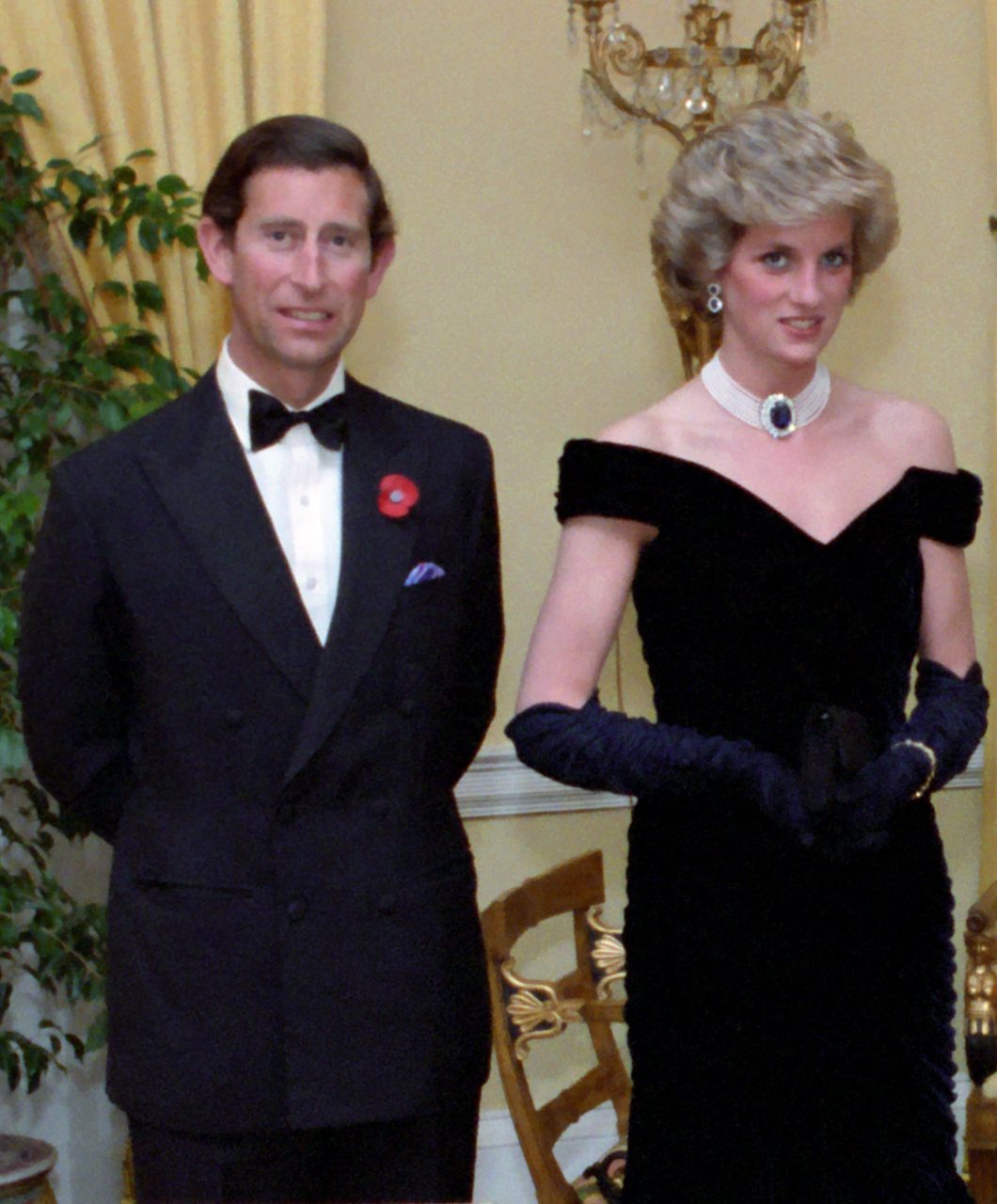
The invitation was to the White House. The event promised to be grand, a stunning display of diplomatic elegance and cultural exchanges. As Princess Diana descended from the car, anticipation buzzed through the crowd. Cameras aimed, breaths were held, and then, a whisper of midnight blue floated down the steps. It was an off-shoulder gown that would become emblematic of a new royal era, forever etching itself in the annals of fashion history. The gown presented more than style—it was the sartorial equivalent of a statement that redefined what it meant to dress like a princess.
Setting the Stage: The White House Gala
The year was 1985, a time when Princess Diana was solidifying her role not just as a British royal, but as a global icon. Invited by President Ronald Reagan and First Lady Nancy Reagan, the gala at the White House promised a gathering of cultural diplomacy, attended by the world's elite. The significance of Diana's presence resonated beyond the charm of royal fanfare—she was there to represent the vitality and youth of the British monarchy on an international stage.
Amongst the privileged attendees was the Hollywood star John Travolta, and luminaries from across politics and the arts. Yet, it was Diana's entrance that stopped the room cold. No longer was she just the Duchess of Cornwall, Prince Charles’s wife; she was Diana, an icon of style whose choices were beginning to define an era.
The Gown: Bold Choices and Breaking Norms
Princess Diana's choice of a midnight blue velvet gown by London-based couturier Victor Edelstein was boldly unconventional for several reasons. Royals and style experts often expected the royal women to adhere to strict codes of modesty, favoring demure necklines and conservative sleeves. However, this off-the-shoulder design effortlessly defied those norms, embodying a new form of confident elegance.
Fashion insiders initially raised their brows. The British court's sartorial traditions had always leaned towards subtlety. Gowns typically favored understated sophistication, adhering to the traditional views of royal decorum. But Diana's careful rebellion wasn't just an aesthetic decision; it was a measured response to a world that was watching, suggesting a blend of modernity with her inherent grace.
"Fashion is not something that exists in dresses only. Fashion is in the sky, in the street; fashion has to do with ideas, the way we live, what is happening." — Coco Chanel
As Diana stepped out in this daring piece, the resulting image captured the imagination. The velvet luxury contrasted beautifully with her pale complexion and the vintage sparkle of her jewelry, particularly the striking sapphire and diamond choker she wore. Yet, it was not just the beauty of the ensemble that captivated onlookers—it was Diana's flair for making the narrative all her own.
Dancing to Eternal Fame: The Travolta Moment
While the impeccably dressed guests enjoyed a sophisticated evening, it was on the dance floor that the night truly reached its zenith. Celebrities and dignitaries watched as, quite unexpectedly, John Travolta and Princess Diana began to dance. The couple twirled under the grand chandeliers, creating a scene that captured the world's imagination.
The sequence, which would become known as the "Travolta Dance," was nothing short of a cultural lightning bolt. It was at this moment that Diana's gown became immortalized—not just for its stylistic audacity, but as a symbol of the warmth and charisma that made her so beloved worldwide.
The Lasting Impact: Fashion as a Royal Emblem
Diana's off-shoulder gown resonated through the corridors of fashion history, setting new paradigms for royal attire. It broadened the definition of royally-approved garb, influencing future generations of royals to experiment more freely with fashion. The decades that have followed continue to draw from Diana's gallant leap into modernity, visible in the increasing accessibility of royal style and the informed sartorial choices of her progeny.
As an emblem of empowerment, the midnight blue gown demonstrated how personal style could shift perceptions, making the royal family more relatable to the public it served. The piece became one of the most iconic images of Diana—captured, analyzed, and forever admired.
Reflections and Inspirations
Princess Diana's sartorial legacy leaves us with much more than an appreciation for beautiful gowns. She imparted the profound understanding that style, while external, is rooted deeply in identity and personal expression. A gown, when chosen with intent, can echo the values and aspirations of the person who wears it, transcending social and culture barriers.
Today, as we look back at that celebrated White House appearance, Diana's off-shoulder gown continues to resonate far beyond fashion editorials. It serves as a gentle reminder of Diana’s timeless allure—her grace, her ability to connect, and her unique power to soften the bridge between regal tradition and the warmth of humanity. In a world constantly shifting, her legacy teaches us that elegance is enduring, and it often begins with a single, brave choice to step outside the expected.
📷 Photo: L.H and H. Public domain via Wikimedia Commons.