In the pantheon of royal stories that captivate and mesmerize, there lies a tale both touching and profoundly revealing. This is the story of a blind boy who reached out to a shining light within the British monarchy — Princess Diana. Unlike the often rigid procedures of royal correspondence, which typically involved meticulously typed letters dispatched by secretaries, Diana opted for a much more personal touch. Her response was crafted in Braille, allowing the young boy to read her words not just through interpretation, but with his very own fingers.
A Royal Heart Open to All
The early 1990s were a time when the British royal family was emblematic of tradition, bespoke decorum, and an unyielding adherence to time-honored practices. However, it was also a period marked by a distinctly human element, one that Princess Diana, the "People's Princess," came to embody. Known for her warmth and charitable deeds, Diana transcended the gilded confines of royal protocol, bridging the chasm between royalty and the public in a manner none before her had achieved.
One such instance that perfectly encapsulates her compassionate spirit is the story of her correspondence with a young blind boy. This child, residing in the vast expanse of the United Kingdom that Diana so earnestly served, wrote her a letter, weaving his admiration and curiosity into words. What followed was a response not only heartfelt but groundbreaking in its simplicity.
Crafting a Letter in Braille: A Personal Touch
Diana’s decision to transcribe her letter into Braille speaks volumes, far beyond the strings of dot patterns it formed. At the heart of this decision was her understanding that the letter would not simply be read, but felt. It reaffirmed the importance she placed on direct and unfiltered communication with those she connected with.
The process of creating a Braille letter is no minor feat. With little experience in such forms of communication, Diana enlisted the help of Braille experts to ensure her words were accurately transcribed, adding a tactile dimension to her wisdom and kindness. This added layer was but another representation of her desire to touch lives meaningfully and genuinely.
Most importantly, Diana’s effort enabled the boy to engage with her reply in the purest form. His fingertips traced the raised dots, forming the connection between the words crafted by a princess and the spirit of a young child eager to engage with the world around him.
Community Outreach: Why This Matters
In the larger tapestry of Diana’s life, her gesture to the blind child appears as a single thread of deep empathy — a hallmark of her enduring legacy. It was acts like these that solidified her reputation not just as a princess but as a beacon of compassion and understanding. While grand galas and stately affairs filled the schedule of some royals, Diana often gravitated towards hospitals, shelters, and communities, leaving an imprint in places often overlooked by the traditional gaze of monarchy.
Her engagement with vulnerable communities, be it through publicized visits or intimate correspondences such as this one, redefined the role of a royal in public life. Diana’s legacy lies in her steadfast belief that no matter one's circumstances, dignity and respect were owed unequivocally. By prioritizing personal connections over protocol, she reinvigorated the royal outreach, setting a precedent for future generations.
The Magic Behind the Monarchy
In retelling these stories, what resonates most is not just the actions but the symbolism they carried and continue to carry. Diana’s Braille letter stands symbolic of her larger mission — to humanize the monarchy and make it relatable to the common populace. It demonstrated that the grandeur of royalty was not diminished through acts of personal love and humility. Rather, it enhanced the monarchy's relevance and resonance in the hearts of everyday people.
Even today, her life and contributions continue to inspire both within royal circles and beyond, urging a model of leadership and empathy that transcends titles and crowns. Her actions offer valuable insights into the roles royals can inhabit, furthering causes of equality and compassion.
A Legacy of Touch
Princess Diana’s secret Braille letter is more than an anecdote; it’s a testament to the potential within each royal encounter to change perceptions and enrich lives. It paints the picture of a princess who understood the weight of her pen, not complicit in the detachment of formality but vibrant in sincerity.
In a modern world where communication reaches unprecedented speeds, the act of crafting a message with one's own hands, especially in a manner befitting the recipient's needs, holds profound meaning. The legacy of Diana’s human-centered approach continues to encourage us to consider the depths and feelings behind our words and actions, reminding us that true nobility lies in the hearts we touch along the way.
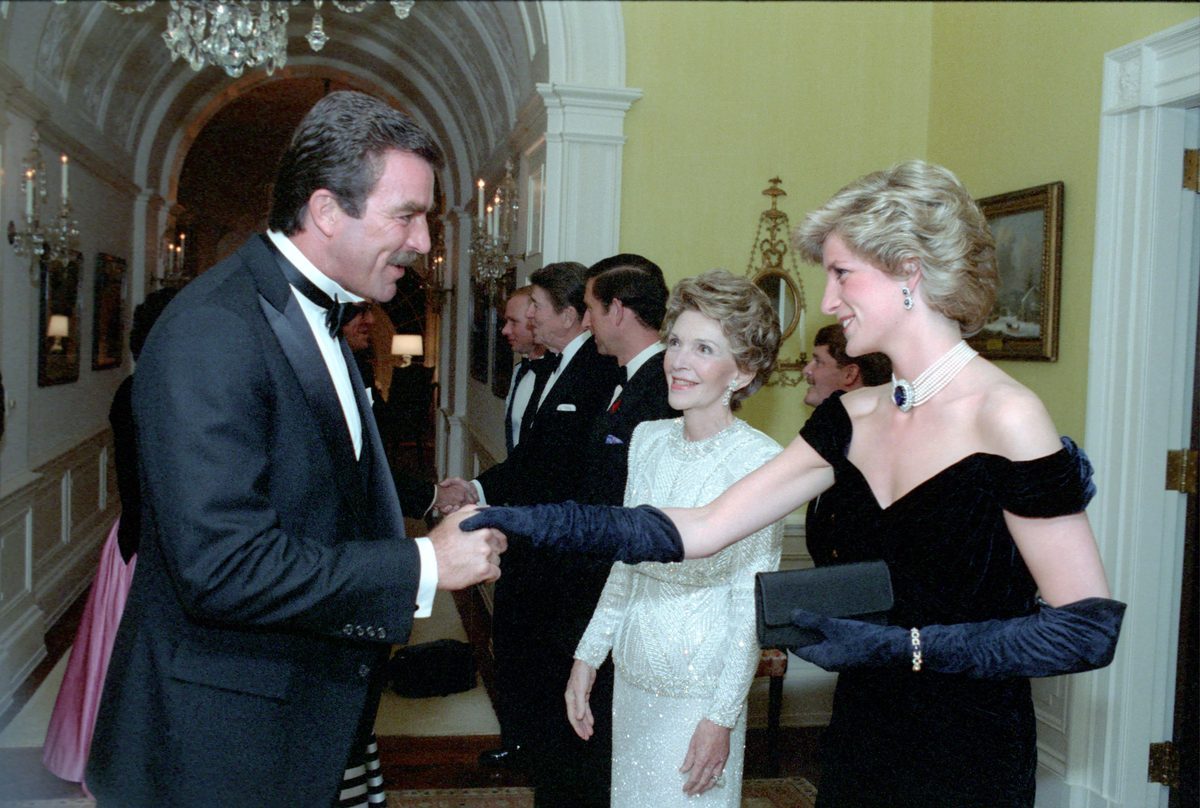
📷 Photo: Series: Reagan White House Photographs, 1/20/1981 - 1/20/1989 Collection: White House Photographic Collection, 1/20/1981 - 1/20/1989. Public domain via Wikimedia Commons.