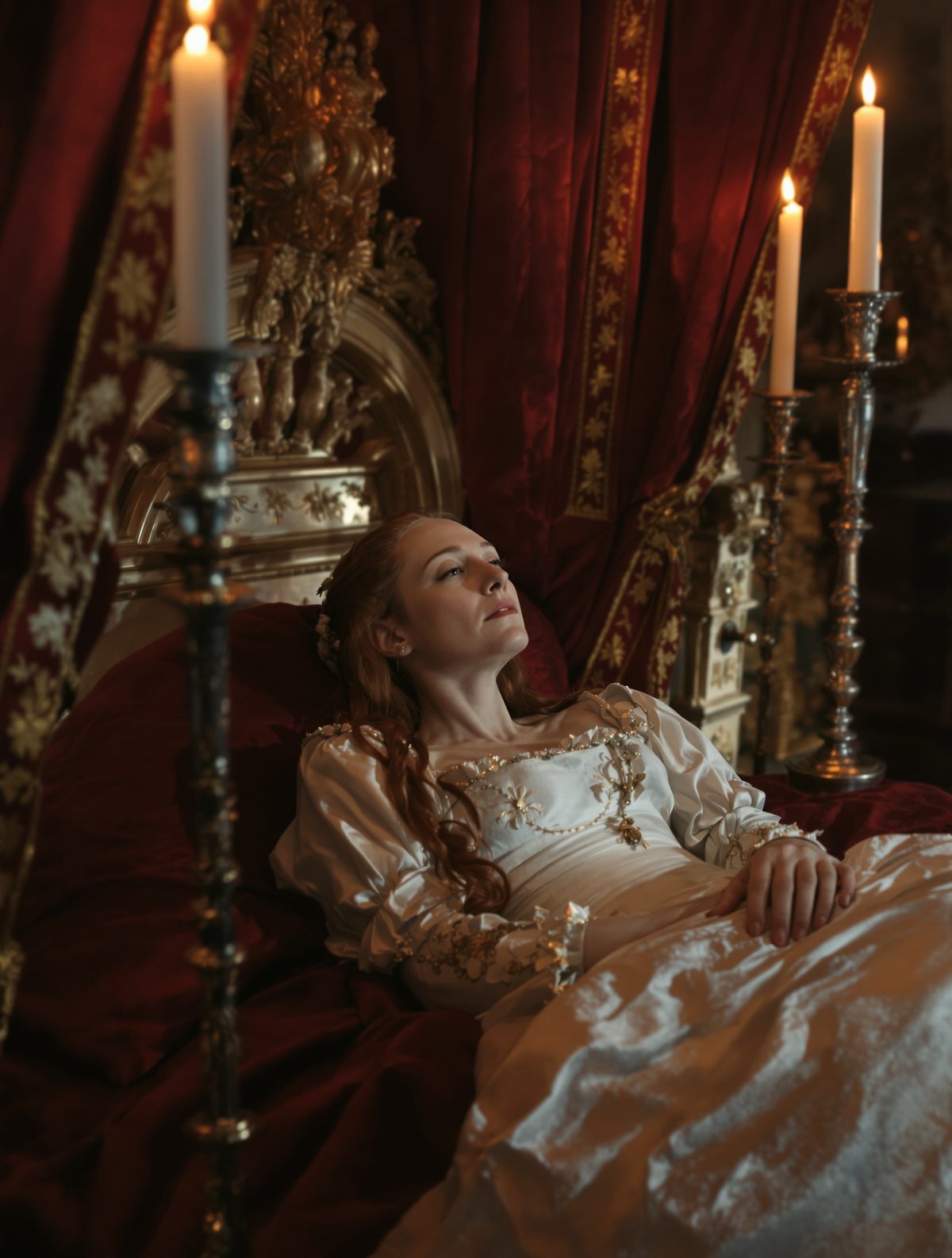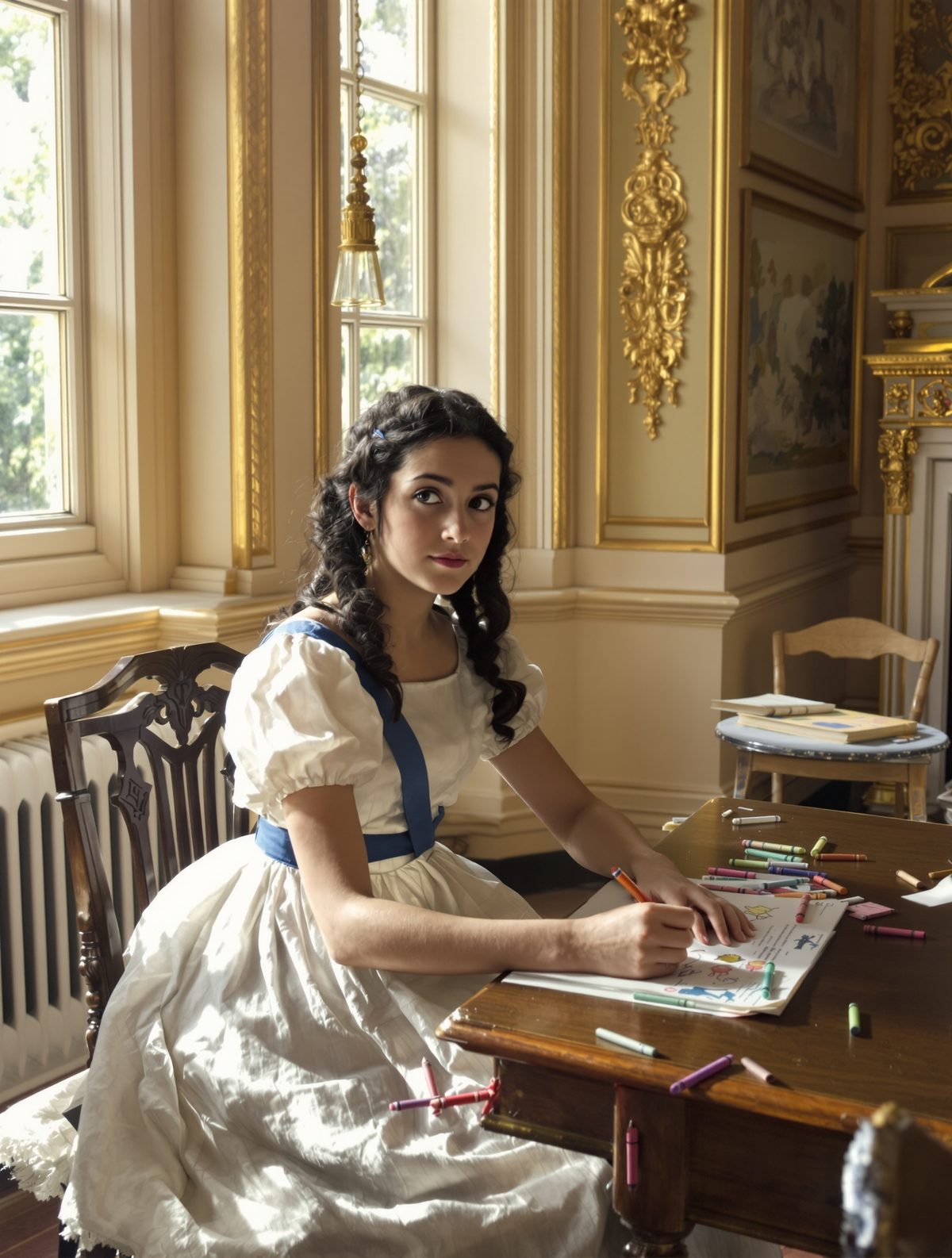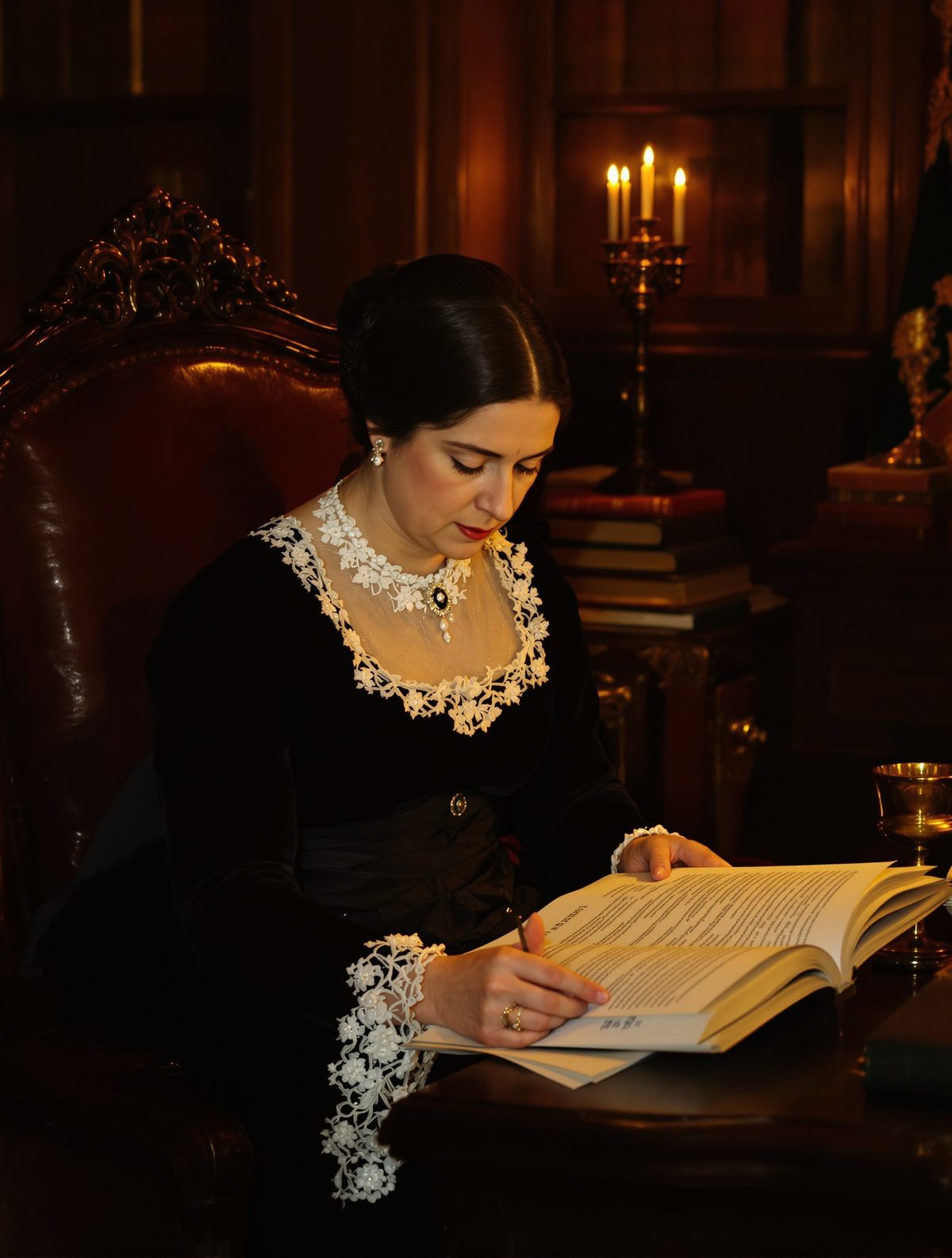
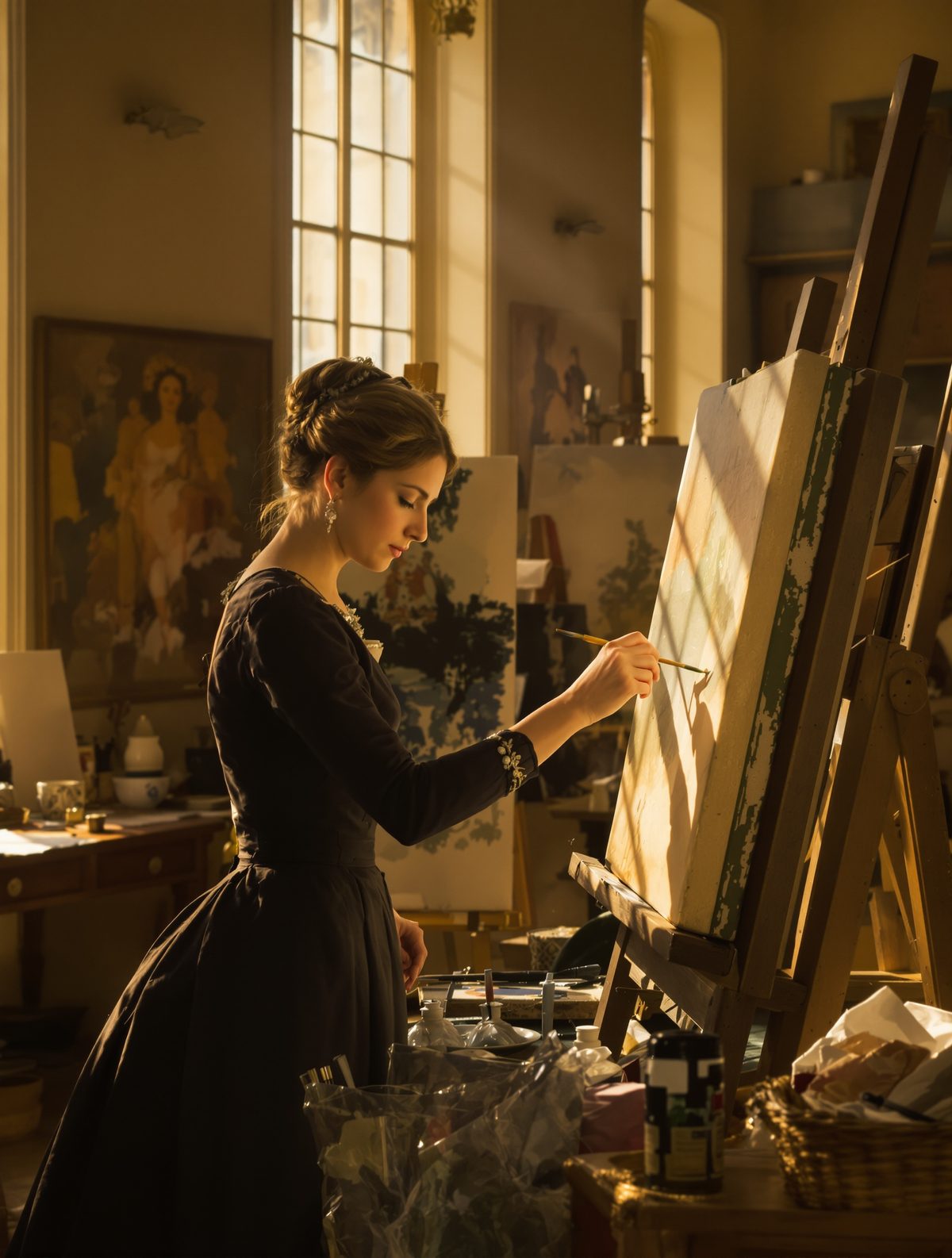
Picture this: a young woman in simple, unadorned clothes slips quietly through the gates of London's National Art Training School, clutching her art supplies and keeping her head down. Her fellow students see nothing unusual—just another aspiring artist hoping to make her mark in the world. What they don't realize is that they're sharing their classroom with Princess Louise, fourth daughter of Queen Victoria, who has defied every convention of royal life to pursue her artistic dreams in secret.
A Princess in Rebellion
In the 1860s, the expectations for a royal daughter were crystal clear: remain at home, perfect your needlework, learn languages suitable for making polite conversation, and await a suitable marriage arrangement. Queen Victoria, still deep in mourning for Prince Albert, kept her daughters on an increasingly tight leash at Windsor Castle and Kensington Palace. The Queen believed firmly that her daughters should embody the domestic virtues she championed—piety, obedience, and devotion to family above all else.
But Princess Louise was cut from different cloth entirely. Born in 1848, she possessed an artistic temperament that simply couldn't be contained by palace walls. While her sisters dutifully spent their days on embroidery and watercolor sketches deemed appropriate for ladies, Louise yearned for something more substantial. She had already shown remarkable talent in sculpture and drawing, creating works that impressed even professional artists who visited the royal household.
The princess watched with growing frustration as the world beyond the palace gates offered opportunities that seemed forever out of her reach. The newly established National Art Training School in South Kensington—now known as the Royal College of Art—represented everything she longed for: serious artistic instruction, the company of fellow artists, and the chance to develop her talents beyond the limitations of royal drawing room accomplishments.
The Great Deception
What happened next required considerable courage and no small amount of cunning. Princess Louise devised a plan that would have scandalized Victorian society had it been discovered. She would attend art school in disguise, enrolled under an assumed name, dressed as a middle-class student rather than a daughter of the Crown.
The logistics alone were extraordinary. Louise had to coordinate with sympathetic members of the royal household—though exactly who helped her remains a matter of historical speculation. She needed plain clothes that wouldn't mark her as either aristocrat or commoner, transportation that wouldn't attract attention, and a believable backstory for her fellow students.
Day after day, Louise transformed herself from princess to art student. Gone were the silk gowns and elaborate hairstyles befitting her station. Instead, she donned the simple dark dresses and practical aprons of a working student. She learned to carry herself differently, to speak without the refined cadences that would immediately mark her as nobility, and to navigate London's streets like any other young woman pursuing her education.
The princess's fellow students later recalled a quiet, talented young woman who kept somewhat to herself but whose artistic abilities were undeniable. They noticed her natural skill with both drawing and sculpture, but attributed it to talent and hard work rather than the excellent private tutoring available to royalty.
Life Among the Commoners
For months, Princess Louise lived a double life that would have made for sensational headlines had the press discovered it. At the National Art Training School, she was simply another dedicated student, working alongside aspiring artists from middle-class families across London. She participated in figure drawing classes, studied sculpture techniques, and received critiques of her work just like any other pupil.
The experience must have been both liberating and nerve-wracking. For perhaps the first time in her life, Louise was judged purely on her merit and talent rather than her royal birth. Her instructors praised her work not because she was a princess, but because she demonstrated genuine artistic ability. Her fellow students accepted her as one of their own, sharing the camaraderie and friendly competition that develops among art school peers.
This period of Louise's life offers a fascinating glimpse into what might have been—a royal daughter free to pursue her passions without the constraints of protocol and expectation. She absorbed not just artistic techniques, but the atmosphere of creative freedom that surrounded her fellow students. Many of them harbored dreams of becoming professional artists, exhibiting in galleries, perhaps even making their living from their craft.
The princess also gained something invaluable: genuine friendships based on shared interests rather than court position. Her classmates knew nothing of her royal connections, her family's expectations, or the complex web of duty that normally defined every aspect of her existence.
The Secret Revealed
Like all good secrets, Princess Louise's artistic adventure couldn't remain hidden forever. The exact circumstances of her discovery vary in different historical accounts, but the revelation that they had been studying alongside Queen Victoria's daughter must have stunned her fellow students and instructors alike.
Some accounts suggest that Louise's identity was discovered when her artistic work gained recognition that attracted closer scrutiny. Others indicate that the logistical challenges of maintaining such an elaborate deception eventually caught up with her. Whatever the specific catalyst, the secret that had allowed her months of artistic freedom finally came to light.
Rather than scandal, however, Louise's artistic education ultimately gained royal approval—albeit retroactively. Queen Victoria, perhaps recognizing her daughter's exceptional talent and determination, eventually supported Louise's continued artistic pursuits. The princess went on to become the first member of the royal family to attend art school officially, paving the way for future generations of royals to pursue higher education.
Louise's artistic career flourished in ways that would have been impossible without her secret education. She became an accomplished sculptor, with her works displayed in prominent locations including a statue of Queen Victoria that still stands in Kensington Gardens. Her artistic achievements were recognized not as mere royal dabbling, but as serious contributions to British art.
A Legacy of Royal Independence
Princess Louise's secret art school adventure represents far more than a charming historical anecdote. It reveals a young woman of remarkable courage who was willing to risk royal displeasure to pursue her genuine passions. In an era when even wealthy women had limited educational opportunities, Louise carved out a space for herself through sheer determination and creativity.
Her story also illuminates the gradual evolution of royal expectations. While Queen Victoria initially insisted on traditional roles for her daughters, Louise's success helped demonstrate that royal women could contribute to society in ways beyond conventional domestic duties. She became a patron of women's education and supported expanded opportunities for female artists throughout her life.
Today, as we watch modern royals like the Princess of Wales pursue their charitable passions and the younger generation of royals explore diverse career paths, we can trace a line back to Princess Louise's bold decision to slip out of Kensington Palace in disguise. Her willingness to challenge expectations while maintaining deep respect for the Crown established a template that continues to influence how royal duties and personal fulfillment can coexist.
The image of Princess Louise, art supplies in hand, walking through London as just another aspiring artist, reminds us that even within the most traditional institutions, individual spirit and creativity can find ways to flourish. Her secret semester at art school didn't diminish her royal status—it enriched it, creating a princess whose contributions to British culture extended far beyond the palace walls.