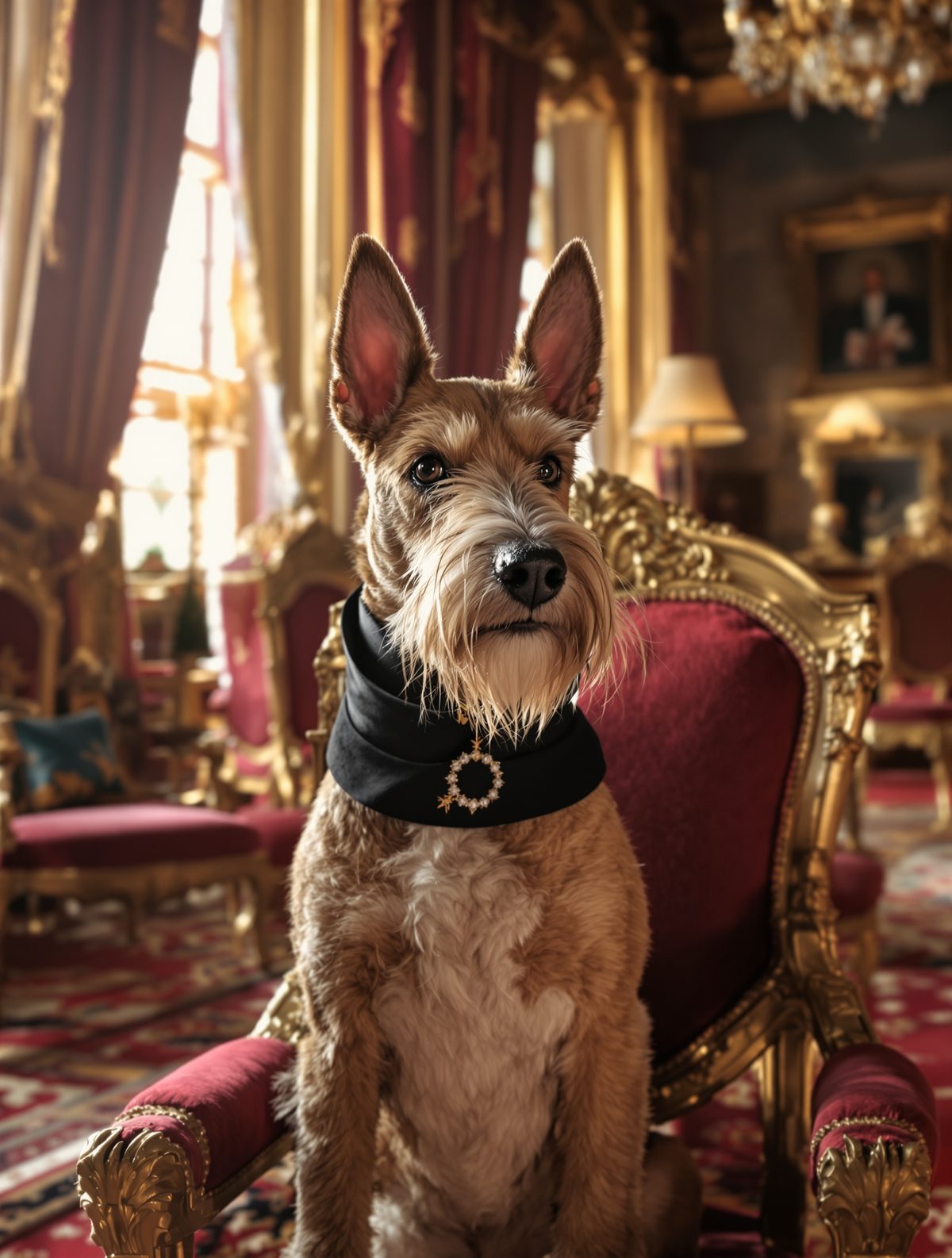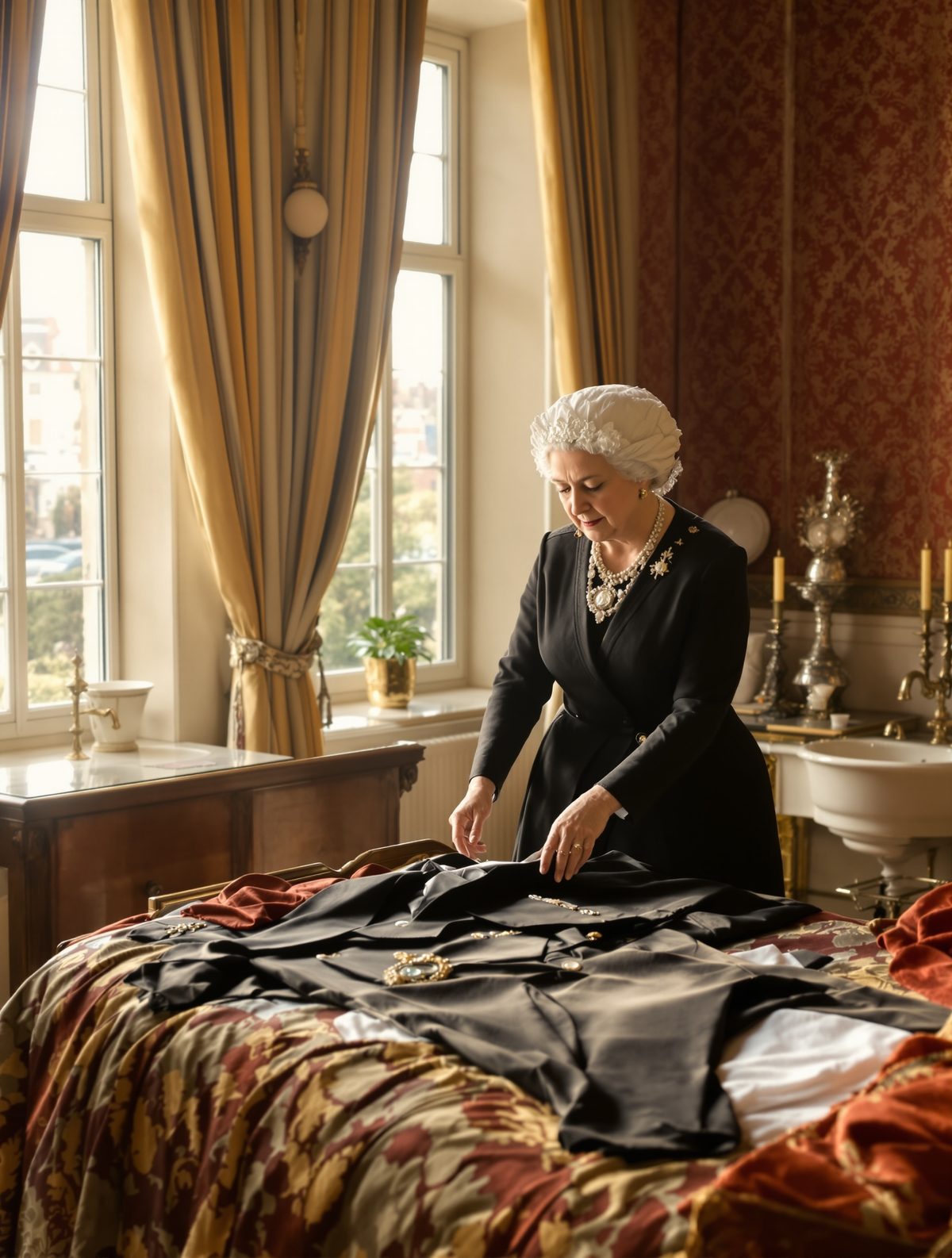
In the shadowy corridors of Kensington Palace during the 1830s, a young princess lived under the watchful eyes of handlers who monitored her every breath, every word, every glance. Princess Victoria, heir to the British throne, existed within an invisible prison crafted by her own mother—a suffocating system of control that would have broken lesser spirits. Yet in the most unlikely of sanctuaries, beneath the mahogany surface of her writing desk, the future Queen discovered a rebellion so quiet, so secret, that it may well have saved both her sanity and the monarchy itself.
The Kensington System: A Golden Cage
The Duchess of Kent, Victoria's mother, had grand ambitions that extended far beyond mere maternal concern. Alongside her advisor Sir John Conroy, she devised what became known as the Kensington System—an elaborate regime designed to isolate young Victoria from outside influences while positioning the Duchess as the power behind a future throne.
Under this system, Victoria was never permitted to be alone. She slept in her mother's bedroom until the day she became Queen. She couldn't walk down a staircase without holding someone's hand—ostensibly for safety, but truly for control. Every conversation was monitored, every book was selected for her, and every friendship required approval. The future monarch's daily routine was as rigid as any military operation, with lessons, meals, and even recreation scheduled to the minute.
The psychological pressure was immense. Conroy, who harboured dreams of becoming the young Queen's private secretary and wielding power through her, employed tactics that bordered on emotional manipulation. He would present Victoria with documents to sign, hoping to establish his authority over her before she ascended to the throne. When she refused, the atmosphere at Kensington Palace grew increasingly tense.
Baroness Lehzen, Victoria's beloved governess, provided some comfort, but even she operated within the constraints of the Duchess's system. The palace, which should have been a home filled with laughter and warmth, instead resembled a gilded prison where a spirited young woman was slowly being moulded into what others believed a future queen should be.
The Secret Sanctuary
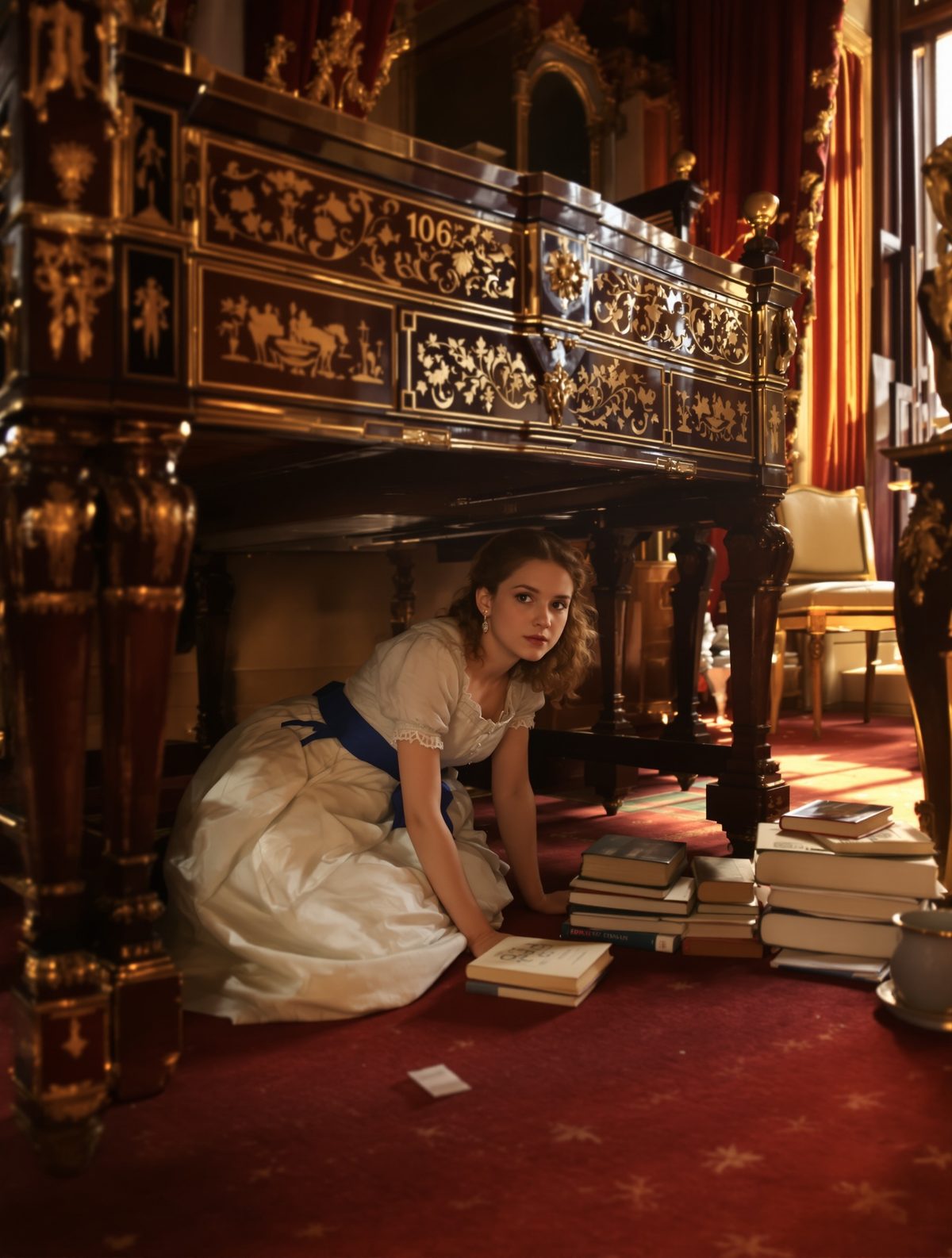
It was in this suffocating environment that Princess Victoria discovered her hidden refuge. Her writing desk, a substantial piece of furniture typical of the period, offered more than just a surface for correspondence and studies. Beneath its solid construction lay a space just large enough for a determined young woman to squeeze herself into—and disappear from the prying eyes that followed her everywhere else.
This wasn't merely a childhood hiding spot; it was an act of profound rebellion disguised as innocent play. In an age when royal children were expected to be perpetually visible and accountable, Victoria had found the one place where the Kensington System couldn't reach her. Under that desk, surrounded by the comforting darkness and the familiar scent of wood polish, she could finally think her own thoughts.
The psychological significance of this secret space cannot be overstated. For a young woman whose every opinion was shaped by others, whose every preference was questioned and analysed, those stolen moments of solitude represented something invaluable: the preservation of her authentic self. While the adults around her plotted and schemed about her future, Victoria was quietly nurturing the independence that would later make her one of Britain's most formidable monarchs.
Historical accounts suggest that Victoria used these hidden moments for reflection and, perhaps most importantly, for developing her own perspective on the world around her. The keen intelligence and strong will that would later characterise her reign were being forged in secret, beneath a writing desk in Kensington Palace.
The Making of a Queen
What makes Victoria's secret rebellion so remarkable is how it shaped her character during the most formative years of her life. While her mother and Conroy believed they were creating a malleable puppet, Victoria was actually developing the mental fortitude that would serve her throughout her extraordinary 63-year reign.
Those hidden moments taught her the value of solitude—a lesson that proved invaluable when she later faced the enormous pressures of queenship. They also instilled in her a fierce protectiveness of her privacy and independence. When Victoria finally became Queen at age 18, one of her first acts was to demand her own bedroom, ending years of enforced cohabitation with her mother.
The psychological resilience developed during her years under the Kensington System served Victoria well in later crises. Whether dealing with political upheavals, personal tragedies, or the complex relationships within the royal family, she demonstrated an inner strength that many traced back to those difficult formative years. Her ability to maintain her sense of self despite constant external pressure became one of her greatest assets as a monarch.
Victoria's secret rebellion also revealed her remarkable adaptability—a trait that would later help her navigate the rapidly changing world of the 19th century. She learned to find freedom within constraint, to maintain her authenticity while fulfilling her royal duties. These were lessons that no formal education could have provided.
Breaking Free: The End of an Era
When Victoria ascended to the throne in 1837, the Kensington System crumbled almost overnight. The young Queen, no longer legally under her mother's control, swiftly asserted her independence. She relocated her mother's apartments to a distant wing of Buckingham Palace, dismissed Conroy from her service, and began making her own decisions about everything from state matters to personal relationships.
The transformation was remarkable. The shy, controlled princess revealed herself to be a confident, strong-willed monarch with decided opinions about how her kingdom should be run. Those who had expected to manipulate the young Queen found themselves dealing with a formidable ruler who had learned to value her independence above all else.
Victoria's early experiences also influenced her approach to raising her own children. While she maintained strict standards and expectations, she was careful not to recreate the oppressive atmosphere of her own childhood. She understood the importance of allowing her children some freedom to develop their own personalities, even within the constraints of royal life.
The lessons learned under that writing desk continued to influence Victoria throughout her reign. Her famous journals, which she kept meticulously for decades, became another form of private space where she could express her true thoughts and feelings. In many ways, her adult practice of reflective writing was an extension of those early moments of stolen solitude.
Princess Victoria's tiny rebellion—her escape beneath a writing desk—reminds us that even in the most controlled environments, the human spirit finds ways to preserve its authenticity. Her story offers a powerful lesson about resilience, independence, and the importance of protecting one's inner life, even when surrounded by those who would shape it for their own purposes. That small act of defiance, hidden from the world for so long, helped forge the character of a woman who would become one of history's most influential monarchs, proving that sometimes the smallest rebellions yield the greatest victories.