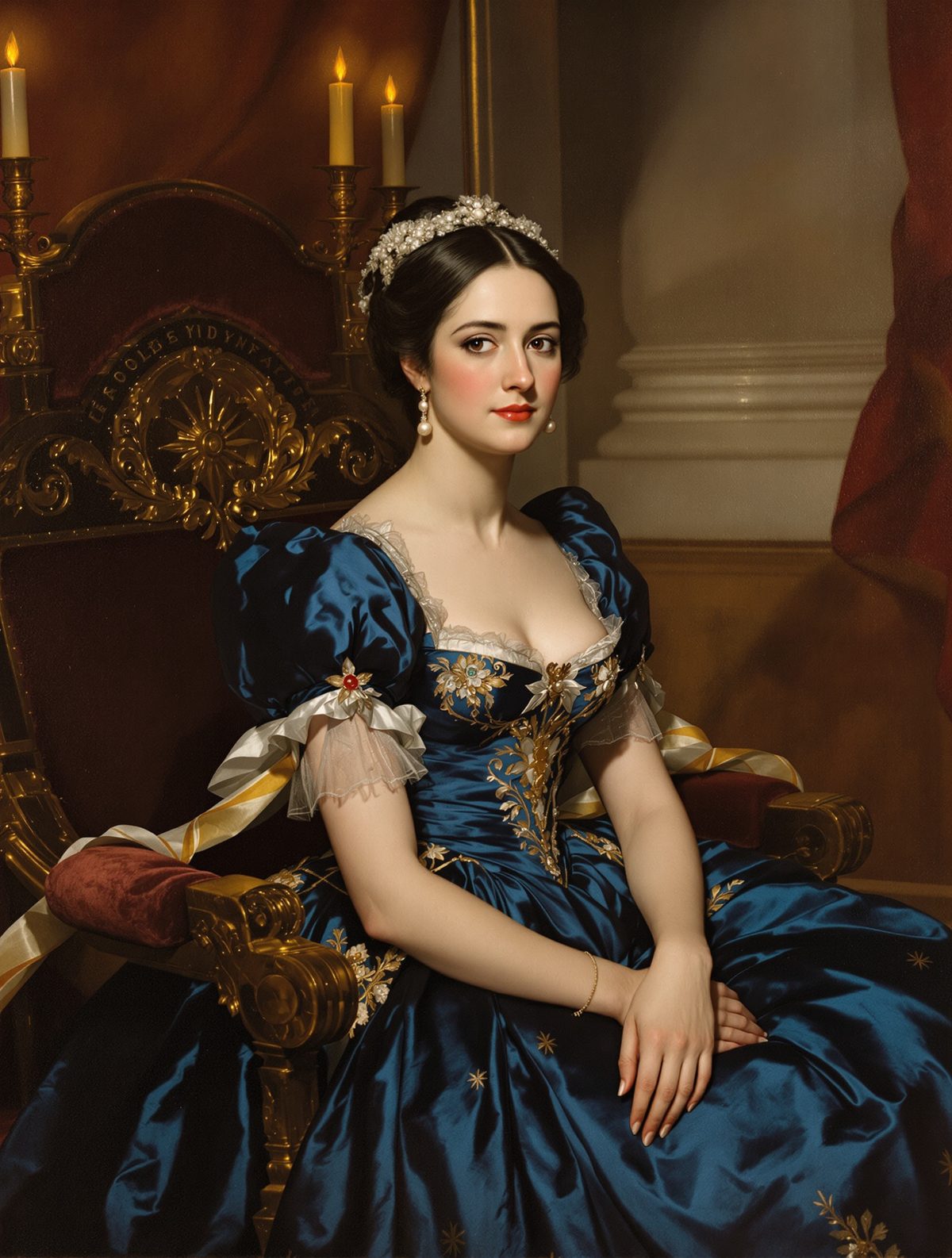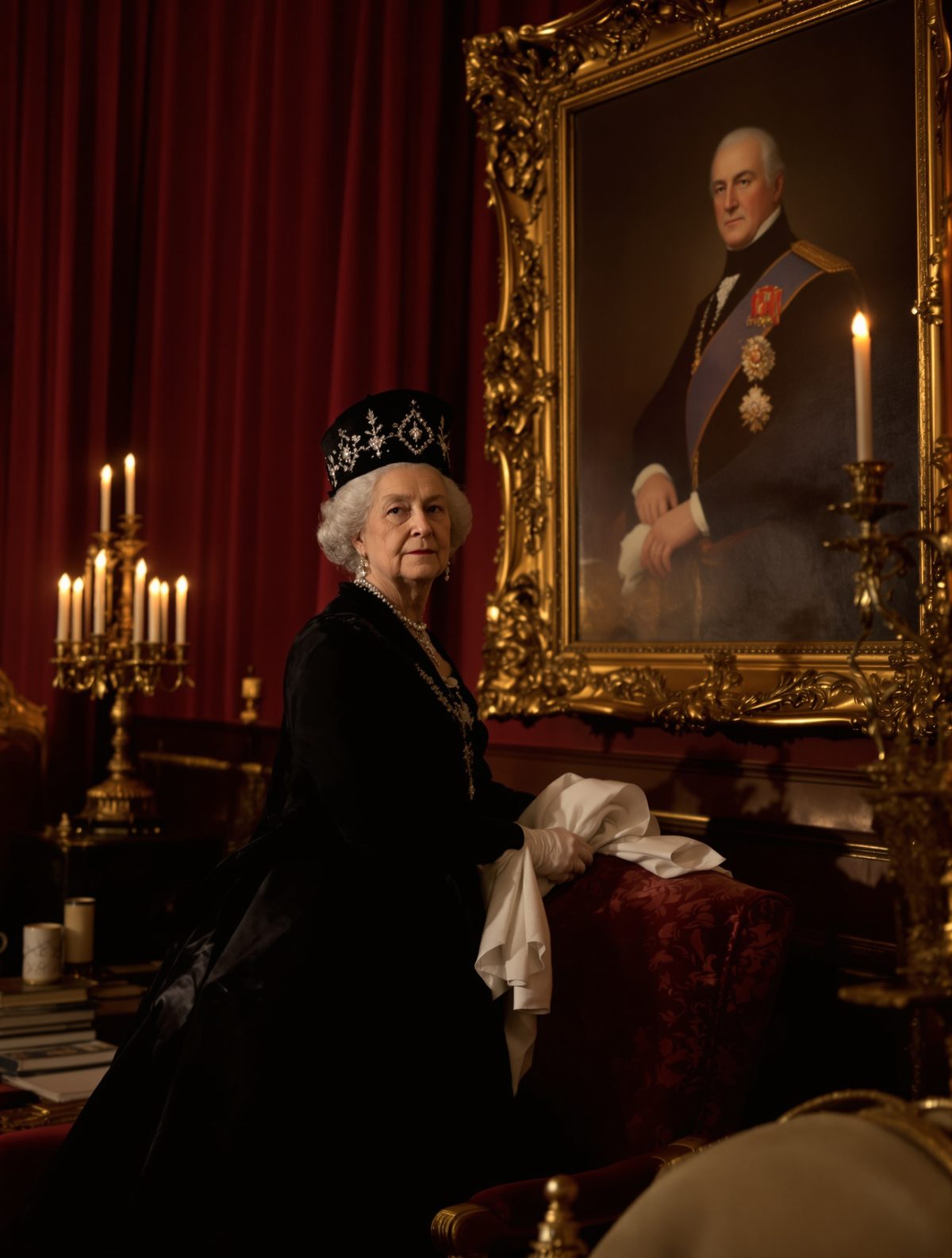
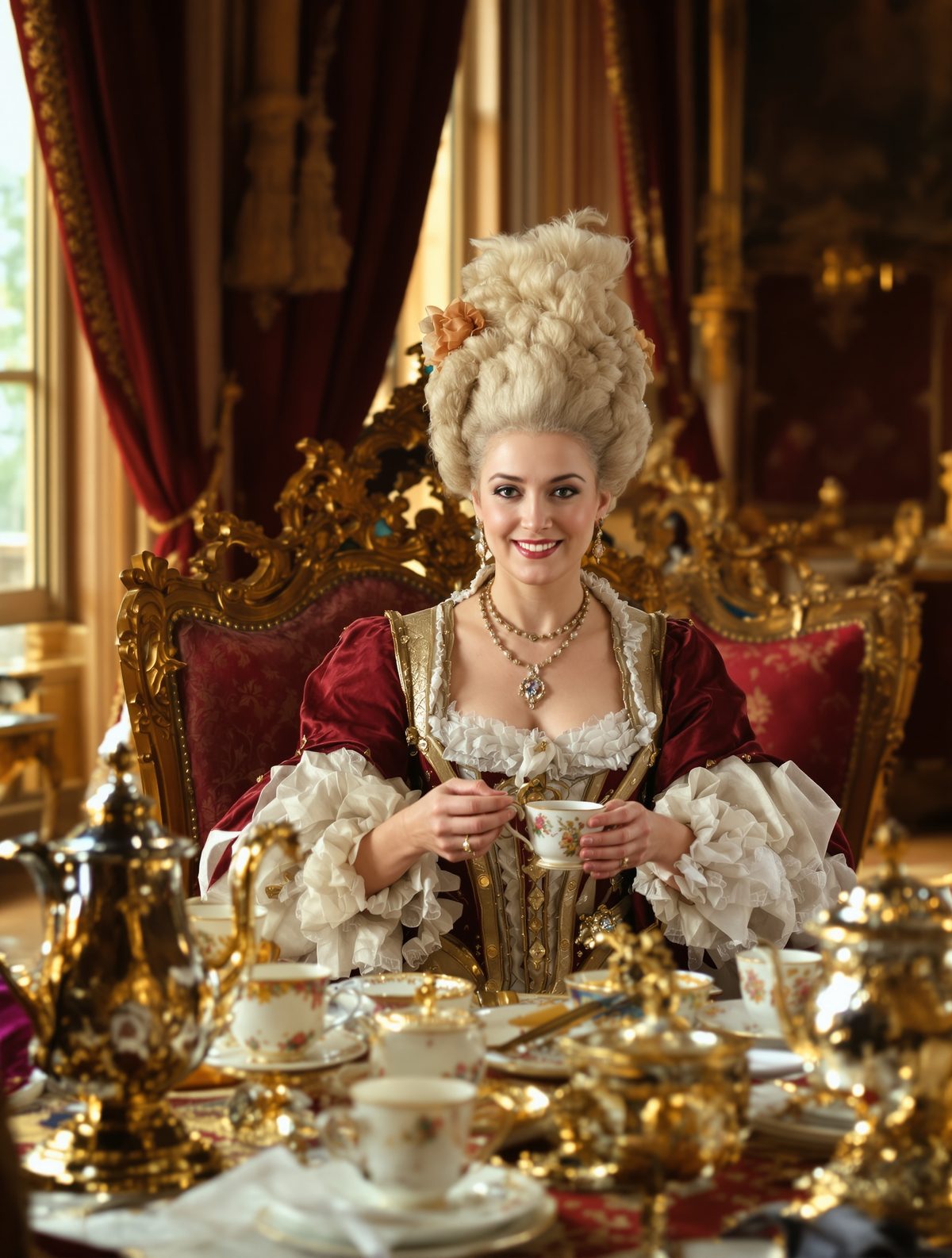
In the grand halls of Buckingham House, where protocol dictated every moment from morning prayers to evening entertainments, one particular ritual scandalized Georgian society more than any political intrigue or court romance. Queen Charlotte, consort to King George III, had developed what her contemporaries whispered was an unseemly obsession: she consumed up to twelve cups of hot chocolate daily, transforming what should have been an occasional luxury into a royal addiction that left physicians aghast and society ladies tittering behind their fans.
A German Princess's Sweet Rebellion
When seventeen-year-old Charlotte of Mecklenburg-Strelitz arrived in Britain in 1761 to marry King George III, she brought with her more than just Germanic customs and a keen intellect. The young queen possessed an unwavering devotion to hot chocolate that would define her reign as much as her fifteen children or her patronage of the arts. While her new subjects religiously observed afternoon tea—a ritual that had become as British as the monarchy itself—Charlotte steadfastly refused to abandon her beloved beverage.
Hot chocolate in the 1760s was not the sweet confection we know today. Prepared from expensive cacao beans imported from the Americas, it was a rich, often bitter drink flavored with spices like cinnamon, vanilla, or chili peppers. For most of Georgian society, chocolate was an occasional indulgence, perhaps enjoyed once or twice a week by those wealthy enough to afford it. But for Queen Charlotte, it became as essential as breathing.
The queen's ladies-in-waiting quickly discovered that their duties extended far beyond helping Her Majesty dress or managing her correspondence. They were expected to master the intricate art of chocolate preparation, taking turns to ensure that Charlotte's cups were perfectly heated and properly whisked. The royal chocolate service became such an elaborate ritual that specific ladies were assigned to different times of day, ensuring the queen was never more than an hour away from her next steaming cup.
Court Physicians Sound the Alarm
As Queen Charlotte's chocolate consumption reached unprecedented levels, the royal physicians grew increasingly concerned. In an era when medical knowledge was limited and dietary advice often misguided, doctors believed that excessive chocolate consumption could lead to a variety of ailments, from nervous disorders to digestive complaints. The rich, heavy drink was thought particularly unsuitable for women, who were considered to have more delicate constitutions.
Dr. William Heberden, one of the most respected physicians of his day and a regular attendee at court, reportedly expressed grave concerns about the queen's habit. The medical establishment of the time viewed chocolate with suspicion, believing its stimulating properties—we now know this was caffeine and theobromine—could overheat the blood and cause dangerous excitation of the nervous system. Some physicians went so far as to suggest that the queen's chocolate addiction might affect her ability to bear healthy children, a concern that must have caused considerable anxiety given the importance of royal succession.
Yet Queen Charlotte remained unmoved by medical warnings. Whether this stemmed from genuine addiction, stubborn determination, or simply the pleasure she derived from her daily ritual, the queen continued her chocolate consumption undaunted. Her defiance of medical advice demonstrated a streak of independence that was both admirable and shocking in an age when royal women were expected to defer to male authority in all matters, including their own health.
Society Scandal and Whispered Gossip
News of the queen's extraordinary chocolate consumption spread beyond the palace walls, becoming one of the most delicious pieces of gossip in Georgian London. In drawing rooms across Mayfair and at fashionable gatherings in Bath, society ladies exchanged shocked whispers about Her Majesty's unseemly appetite. Some viewed it as evidence of foreign eccentricity—proof that German princesses could never truly understand British restraint and moderation.
The scandal was compounded by the sheer expense of the queen's habit. Chocolate was an imported luxury that cost significantly more than tea, coffee, or ale. For a monarch to consume such quantities seemed almost profligate to subjects who prided themselves on British thrift and sensibility. Satirical pamphlets and caricatures of the era occasionally referenced the royal chocolate obsession, though always carefully, as direct criticism of the monarchy could result in serious legal consequences.
Interestingly, Queen Charlotte's chocolate addiction may have inadvertently influenced British culinary culture. As news of her passion spread, chocolate houses—already popular gathering places for London's elite—experienced renewed popularity. Fashionable ladies began experimenting with chocolate-based recipes, and the drink gradually gained acceptance as a sophisticated alternative to tea, though never quite achieving the same cultural significance.
A Life Well-Lived Despite Medical Warnings
Perhaps the most remarkable aspect of Queen Charlotte's chocolate story is how thoroughly it vindicated her defiance of medical advice. Despite dire predictions from court physicians, the queen lived to the impressive age of seventy-four—a considerable achievement in an era when life expectancy was much lower, particularly for women who had endured multiple pregnancies. Charlotte bore fifteen children, maintained an active role in court life well into her sixties, and remained mentally sharp throughout most of her life.
Her longevity suggests that either the medical establishment's concerns about chocolate were unfounded, or that the queen's constitution was remarkably robust. Modern nutritional science tells us that dark chocolate contains beneficial compounds including antioxidants and minerals, though we can't know exactly how the Georgian-era preparation methods affected these properties. What we can say with certainty is that Queen Charlotte's chocolate consumption clearly didn't harm her health in the dramatic ways her physicians predicted.
The queen's daily chocolate ritual also provides insight into her character beyond mere dietary preference. Her refusal to be swayed by medical opinion or social pressure reveals a woman of considerable determination and self-knowledge. In an age when royal women had limited autonomy, Charlotte carved out this one area where she remained absolutely sovereign—a small but significant assertion of personal independence.
Queen Charlotte's legendary chocolate addiction offers us a delightfully human glimpse into royal life during the Georgian era, reminding us that even monarchs have quirks and passions that transcend their official duties. Her story challenges our assumptions about historical royal behavior and dietary wisdom, while celebrating the timeless pleasure of a favorite indulgence. In our modern age of dietary trends and health warnings, perhaps there's something refreshingly honest about a queen who simply knew what she liked and refused to apologize for it—even if it did scandalize an entire society in the process.