When a Queen Writes Back
She received thousands of letters every week — from strangers, from grieving families, from children with wobbly handwriting. But one widow in 1960s Britain could not have imagined what would land on her doormat. Her letter, beautifully articulated but surely one among countless correspondences received by the Palace, contained sentiments both personal and ardent. Nevertheless, it was Queen Elizabeth II herself who picked it from this towering stack, took the time to read it, and write back. No secretary was involved, no typical form letter dispatched. Just the Queen, pen in hand, engaging in a profoundly human moment of heartfelt emotion and kinship.
A Palace Swamped with Letters
The 1960s were a bustling era at Buckingham Palace. Nestled in the heart of London, the Palace was the center of royal duties and the private residence of Queen Elizabeth II and her family. The young monarch embarked on a decade marked by profound social change, technological advancement, and often, personal correspondence from the public sphere that reached into the thousands each week.
Many wrote to extend their greetings and best wishes, while others sought solace, guidance, or the simple pleasure of conveying their thoughts to their sovereign. Behind the grand facade of Buckingham Palace lay an intricate system of correspondence management. The Queen’s private secretaries worked tirelessly, filtering through letters, preparing responses, and often replying on behalf of Her Majesty. However, amidst this organized chaos, the Queen would sometimes choose to personally respond, a practice that came to underline her deep sense of empathy and responsibility toward her subjects.
The Stranger's Plea
Little is known about the widow who bravely reached out to the Palace during such a time. What drove her to write might remain shrouded in mystery, but the nature of her letter is told in whispers of awe and reverence. Her words, undoubtedly imbued with the raw emotion of a grieving heart, struck a chord with Her Majesty. Perhaps she saw parallels between her own role as a young woman who, despite titles and crowns, had faced immense personal loss and heavy responsibility.
Queen Elizabeth II, herself acquainted with bereavement following the early passing of her father, King George VI, likely connected on a level deeper than ceremonial etiquette demanded. Here was a monarch who understood the fragility and resilience of life, made all the more poignant through personal tragedy, reaching out to a woman whose courage and vulnerability touched her closely.
A Royal Response
The reply, as historic anecdotes recount, was personal and heartwarming. The envelope that dropped through the widow’s door was simply marked with ‘Elizabeth R’, a regal signature placing the sovereign alongside her people, stepping beyond the invisible walls that separated royalty from everyday lives. It was a moment suspended in time when rank dissolved, and empathy reigned.
For those fortunate enough to glimpse into that intimate piece of royal history, Queen Elizabeth II’s letter would have offered words that acknowledged both their shared humanity and the worth of friendship and comfort borne out of adversity. No matter how short, this communication served as a lifeline — a royal nod to the fact that even amidst the 20th century's seismic shifts, kindness and connection were not lost.
The Queen’s Enduring Legacy
This poignant act is just one example of the many small gestures that defined Queen Elizabeth II’s reign over her six-decade-long tenure. Her unique approach to leadership fused the traditional with the compassionate, allowing her to stand as a beacon of continuity during an era that saw unprecedented global change. By answering such letters herself, she also highlighted the monarchy's enduring relevance and potent ability to connect emotionally and personally with the British public. It’s a reminder of how her reign was not just about the public duties, grand appearances, and historic state events — it was also deeply personal and heartfelt.
As we look back, the significance of Queen Elizabeth II taking the time to handwrite a response to a stranger underscores her unwavering duty to her people, not just through constitutional obligation but through a heart sincere in its concern and solidarity. The 1960s letter stands as a testament to her compassionate character—a legacy of warmth, understanding, and humanity that continues to inspire admiration today.
While the widow's identity remains lost to history, the encounter will endure as a touching tale of hope and shared experience found within the monarchy's compassionate reach. In reading and responding to such letters, Queen Elizabeth II transformed her position from one of sovereign distance to profound proximity, reminding us even today that in some ways, leaders can be as simple and genuine as the words, "Elizabeth R."
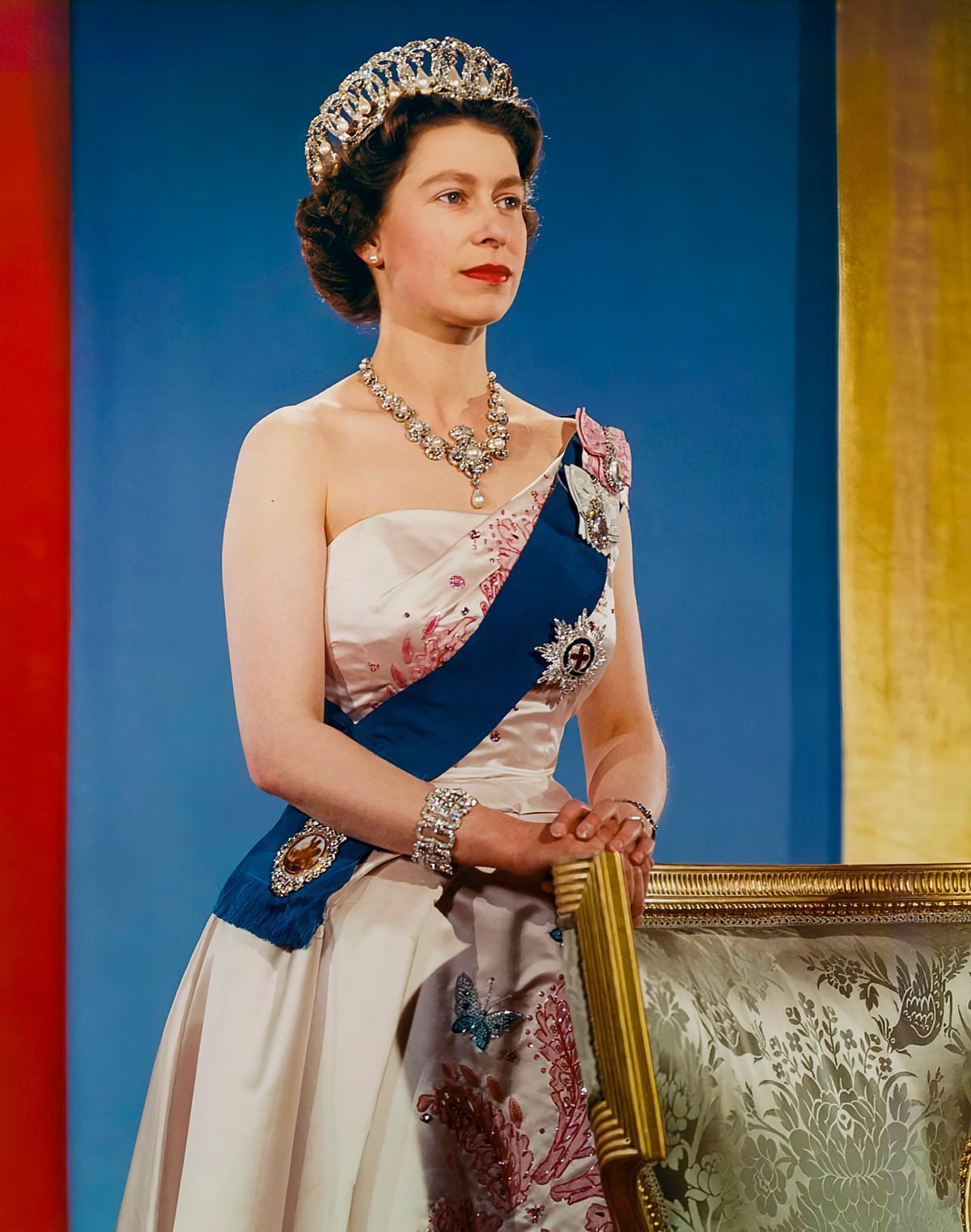
📷 Photo: Donald McKague. Public domain via Wikimedia Commons.