In the hush of an ordinary day in Barnsley, South Yorkshire, the fingers of one Ethel Lang carefully composed a letter — its purpose personal, its expectation modest. At 106 years old, Lang was not just another centenarian; she bore the title of Britain's oldest person. Also remarkable, she was the last surviving citizen born in the reign of Queen Victoria, a living bridge to a bygone era. This correspondence was not out of a sense of duty but rather a sincere gesture of admiration directed towards Queen Elizabeth II herself. Hopes were few, but the outcome was extraordinary: a handwritten reply from the Queen — a testament to the mutual respect that could blossom across the sprawling hierarchy of kingdom and country.
A Victorian Connection
Ethel Lang’s life was a rich tapestry woven with experiences from an era long past. Born in 1900 during the reign of Queen Victoria, she had witnessed the world’s transformation through two World Wars, technological booms, and social changes that reshaped the very fabric of life in Britain. Her life spanned the decades, marked by historical milestones, changes in monarchy, and the evolution of British society.
It was common knowledge in her community that Ethel had an admiration for the Queen, which began early in Elizabeth II's reign. The monarch, being of a steadfast nature and dutiful presence, symbolized continuity and resilience to Ethel. Her letter, likely penned with memories of both the past monarchs and the present, reflected the respect many Britons held for the Queen. What Ethel Lang perhaps did not anticipate was that her simple gesture would result in a reply that echoed what she represented — a continuum of tradition, grace, and personal touch.
The Royal Gesture
The halls of Buckingham Palace are often associated with grandeur, protocol, and a pace quite different from the everyday lives of its subjects. Yet, amidst the official functions, diplomatic duties, and the constant pulse of royal life, there exists a softer side — one that is often illustrated in personal interactions that leave a lasting impact. Queen Elizabeth II, despite her busy schedule, was reputed for her attentiveness to her people, often reading and responding personally to letters that touched her heart.
When Ethel Lang's correspondence reached the palace, it was unlikely to have gone unnoticed. Perhaps it was her remarkable age or the poignant note of one era's last thread reaching out to another that caught the Queen’s attention. The resulting letter, penned by Elizabeth herself, was a rarity in royal communication. Handwriting a reply was not just an act of courtesy but a personal acknowledgment of Ethel's unique place in history.
Such gestures are not merely expected duties of the Crown but speak volumes of a bond, often hidden, yet deeply felt between the Monarch and her people. They reveal the human face of royalty, reminding us of the shared sentiments that can unite a Queen with her subjects.
A Legacy Beyond Words
For those who had the privilege of knowing Ethel Lang, the letter held profound significance. It was a testament not only to her significant lifespan but also to the power of simple acts of connection. The Queen’s reply was deeply treasured by Ethel and those around her, her family and friends, connecting generations and giving a tangible reminder of the historical journey witnessed by this remarkable woman.
Palace historians would note that while Queen Elizabeth received thousands of letters every year, choosing to personally respond to one was a decision enveloped with special care. It speaks to the character of a monarch who revered the traditions she upheld and embraced the people she ruled over with personal devotion. These interactions, though rare, accentuated the personal warmth behind a public persona meticulously crafted over decades.
The Heart of Monarchy
Ethel Lang’s story, while unique in its specifics, tells a broader narrative of connection within the British monarchy. The relationship between the sovereign and the people is often understated but enriches the culture of monarchy with depth that extends beyond spectacle. Queen Elizabeth II's gesture reflected an understanding of her role not only as a leader but as a symbolic thread that wove together her country's past with its present.
Such stories of personal exchange within the pomp and ceremony of royal duty reinforce why so many find the monarchy an enduring institution. It is not merely about the ceremonies or the lineage but those moments of humanity that echo through history, binding the past with the present in a chain that each generation reveres and cherishes.
Ethel Lang lived to the age of 114, taking her final bow in the orchestration of life in 2015, but her story remains a reminder of the light simple acts can leave behind. The Queen’s handwritten note to Ethel Lang was more than an exchange of letters; it was a touching salute from one era to another and an emblem of the enduring spirit of monarchy that continues to enthral hearts, making us pause, reflect, and honor the shared history that unites us all. Thus, in acknowledging and celebrating such human moments, the Palace’s legacy of personal touch remains as vital as ever, transcending mere formality with depth, resonance, and warmth.
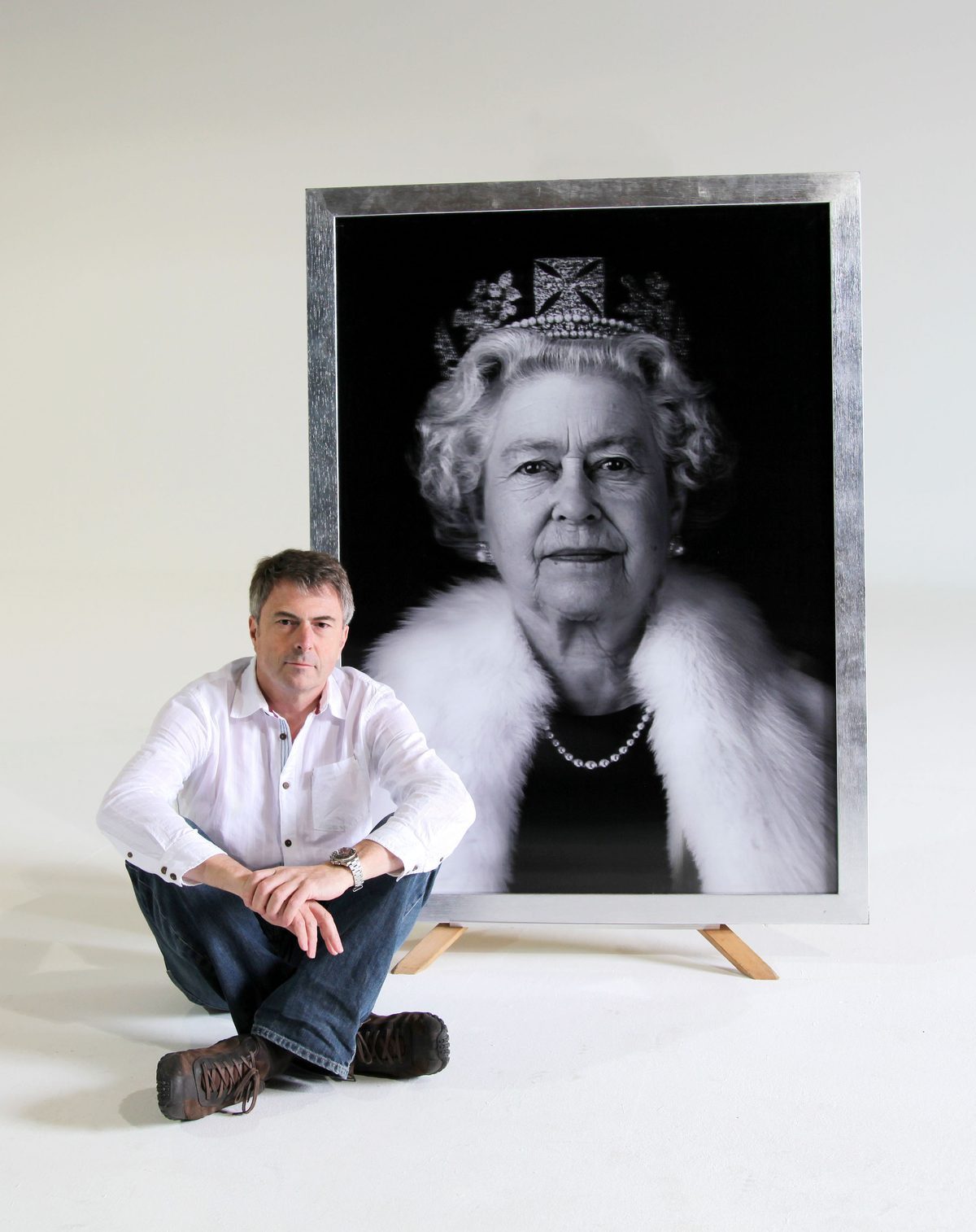
📷 Photo: RAMUNDAY. CC0 via Wikimedia Commons.