In the quiet depths of the British royal archives lies a particularly poignant moment from the annals of modern monarchy. It is a story not just of tragedy but of an unexpected act of compassion that continues to resonate decades later. In 1966, following one of the most harrowing disasters Britain had ever known, Queen Elizabeth II did something remarkable. Despite the constraints of royal protocol and the barriers of public expectation, she reached out in the most personal way. Through handwritten letters addressed to the grieving families of Aberfan, the Queen sought to offer a measure of comfort and solace. One widow, moved by this gesture, held on to her letter for fifty years, keeping it close, tucked away discreetly in her coat pocket as a silent testament to her grief and resilience.
The Tragedy of Aberfan
The Aberfan disaster remains one of the darkest chapters in Welsh history. It occurred on the morning of October 21, 1966, when a colliery spoil tip collapsed on the village of Aberfan, situated beneath the Merthyr Mountain in South Wales. The catastrophe claimed 144 lives, including 116 children, engulfing the Pantglas Junior School in a deluge of coal waste and rock. The horror of this event sent ripples of shock and sorrow throughout the United Kingdom, touching hearts far beyond the borders of the coal-mining community. The nation mourned, and calls for support and solidarity arose from every corner.
While there were immediate demands for accountability and aid, the scope of the tragedy necessitated a response that was as compassionate as it was swift. For the Crown, it posed a particular challenge: how best to express the nation's deep sympathy while adhering to the solemnity expected from the institution. The Queen, ever conscious of her duties, faced a decision that would test the boundaries of royal convention.
A Royal Response
In the somber days following the disaster, Queen Elizabeth II remained acutely aware of the overwhelming grief consuming Aberfan. It was not until a week had passed, after careful consideration and counsel, that she decided to visit the village alongside her husband, Prince Philip. The decision, criticized by some for its perceived delay, was understood within the royal circles as a consideration of how best to demonstrate genuine empathy without overshadowing the community’s immediate needs.
Yet, it was Queen Elizabeth’s decision to personally write to the bereaved families that showcased her profound understanding of human nature and royal responsibility. These were not letters penned by the practiced hand of a royal secretary nor stamped with an officious seal. They were personal, intimate notes written in her own hand, carefully conveying sympathy and support. This act, small in its physical form but monumental in its gesture, highlighted a Queen willing to bridge the chasm between monarchy and the common person.
The Widow's Letter
Among the many letters sent out by the Queen, one found its way into the hands of a grieving widow from Aberfan. While the exact details of their correspondence are known only to those who bore witness to history, the emotional weight of that letter was significant enough for the widow to carry it with her every day thereafter.
"Some comfort cannot be measured," they would say of her enduring habit. Though never publicly displayed, never laid behind glass or adorned on a wall, the letter served a purpose far beyond its tangible form. It was a companion in her grief, a source of solace during times of reflection, and perhaps, a reminder that she was not alone, even in solitude.
The widow's consistent devotion to this letter highlights not just the significance of the Queen's gesture, but the unique bond that forged between sovereign and subject; a relationship authenticated by genuine compassion rather than ceremonial obligation.
A Monarch's Humanity
Queen Elizabeth II's decision to write those letters was an instinctive act of empathy that transcended her regal role. It positioned her not just as a monarch, but as a fellow human being attuned to the raw emotions of her people. Such gestures of kindness, often hidden from public view, reveal a fuller picture of the Queen as someone deeply aware of the personal stories lying behind the grandeur of officialdom.
The public often sees the royal family through the lens of tradition and duty, but moments like these quietly remind us of the individuals behind the crowns. Queen Elizabeth II, keenly aware of her responsibilities, demonstrated a nuanced understanding of the balancing act between her public duties and private expressions of compassion. Her actions in the wake of Aberfan wish to be remembered not for the controversy of delay but for the heartfelt response through which she sought, in her role, to offer comfort.
Resonating Through the Years
Today, the mortal concerns of a monarchy may shift with the tides of political and societal change, but the need for humanity within leadership remains timeless. The impact of Queen Elizabeth II's handwritten letters continues to echo through history, offering valuable insight into the monarchy's enduring capacity for empathy. Their existence stands as a testament to the power of personal connection, an example of how the monarchy can both symbolize continuity and respond humanely to the immediate needs of its people.
This remarkable episode from 1966 invites us to reflect on how personal acts of kindness from those in power can foster a connection that transcends status and title. That a small letter, folded lovingly in a coat pocket, could become a beacon of comfort, speaks volumes about the human need for acknowledgment and understanding. As we ponder the legacies of Queen Elizabeth II, her handwritten notes are reminders of the compassionate dimension of royal service — and an inspiring chapter in the story of the British monarchy's evolving role in a changing world.
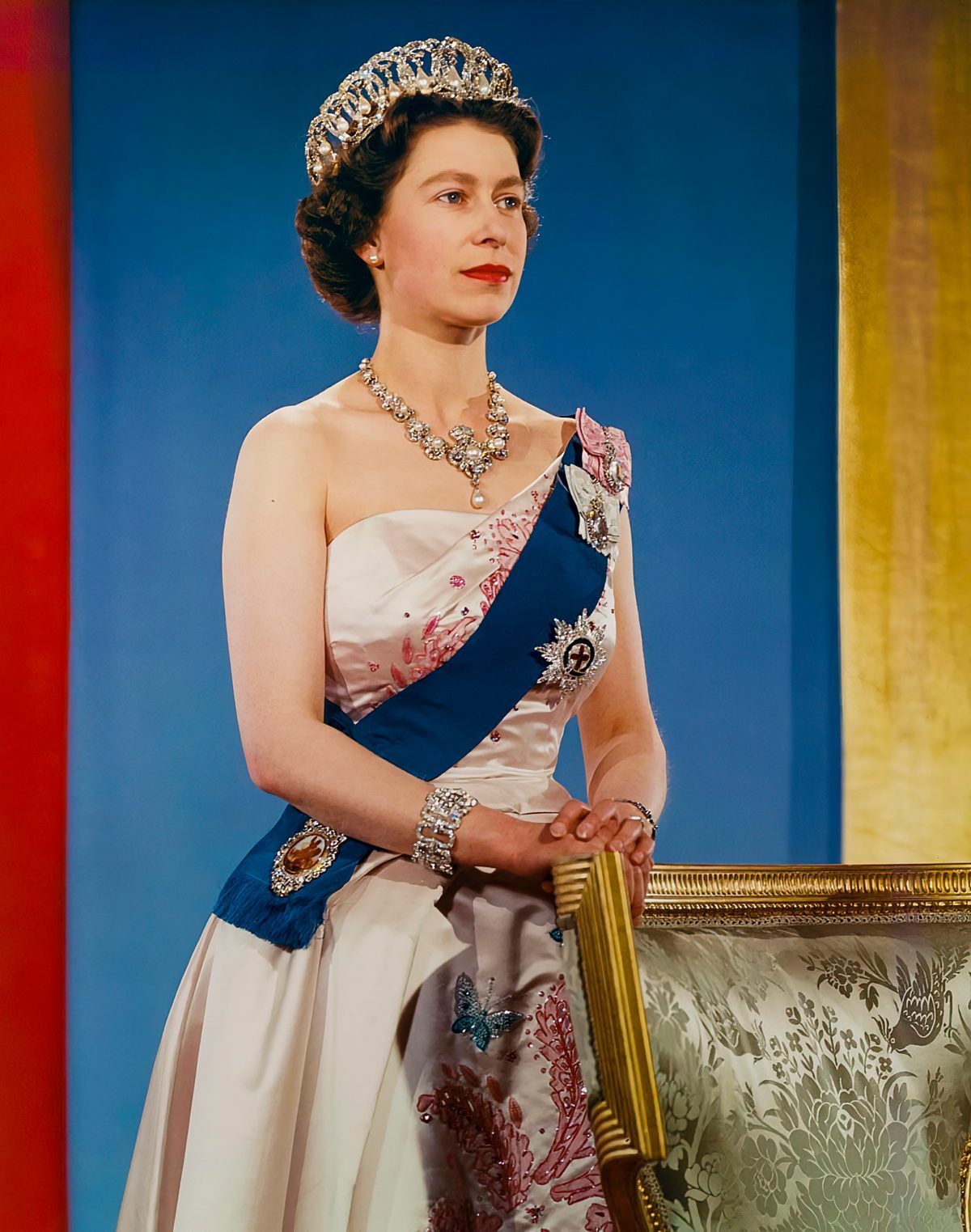
📷 Photo: Donald McKague. Public domain via Wikimedia Commons.