Most children who wrote to Buckingham Palace received a standard reply from a lady-in-waiting. But for one small girl who sent crayon drawings of the corgis, the letter that arrived back carried something unexpected — the Queen's own handwriting, warm and personal, on Palace notepaper.
An Envelope from the Palace
It arrived inconspicuously enough, on a rainy afternoon in the summer of 1983, like countless other letters that quietly made their way to homes across Britain. Yet for seven-year-old Emily Thompson, this was no ordinary envelope. The paper, thick and cream-colored, bore the distinctive hallmark of a royal origin. Nestled within was a response that would forever carve an indelible memory in young Emily's heart. While children often receive replies from the aides or secretaries at Buckingham Palace, this response was different — it held a personal touch from none other than Queen Elizabeth II herself.
Emily’s original missive was a creation of primary school whimsy: colorful crayon drawings depicting Her Majesty’s beloved corgis frolicking in verdant gardens, complete with a charmingly scrawled note: “To the Queen, I love your doggies.” For Emily, the Queen was not just a distant figure of state; she was a woman who loved dogs just as she did, a relatable figure whose life included the simple pleasures of canine companionship.
The Art of Unseen Connection
In an era long before emails and instant messages, letter writing was not merely a means of communication but an art form — a way to connect across distances. For the Royal Family, responding to letters had always been more than mere obligation; it was a demonstration of their role as custodians of national sentiment, the bridge between crown and community. Royal aides were meticulous in their handling of thousands of letters, ensuring every correspondent was acknowledged and every engagement met with appropriate courtesy.
The child's naïve spontaneity had somehow struck a chord with the Queen, who, amidst the meticulous regimens and ceremonials, took a moment to engage with the joyful innocence poured into the sketch. Her reply, written in a hand characterized by neatly looped letters, did not simply acknowledge the drawing but imparted a sense of humility and accessibility. To Emily, it was a Queen’s smile captured in ink — as personable on paper as she was at public engagements.
A Glimpse of the Queen's Humanity
Why did Queen Elizabeth decide to personally respond? Perhaps it was the vibrancy of Emily’s drawings, reminiscent even of her own children’s early forays into art. Or perhaps it was simply the Queen’s own profound love for her dogs, mirrored in the small artist’s innocent words. The Queen's corgis were more than pets; they were trusted companions that had been a part of her life from childhood.
Throughout her reign, the Queen was celebrated for her consistency, dignity, and duty. Yet here, in a simple letter, was a window into Queen Elizabeth’s warmth, an echo of her own appreciation for the purity of simple gestures. The royal court, while often seen as a bastion of tradition, had at its heart a reigning monarch whose very essence combined a deep-rooted tradition with genuine warmth. The Crown was not merely a collection of jewels and a weighty responsibility; it was a coven of moments like these, where service transcended ceremonial duty, where the heart of a sovereign touched the heart of a child.
From the Garden of Memories
Emily held onto that letter all her life, a keepsake that spoke of a summer day when a little girl’s imagination had reached the halls of Buckingham Palace. More than a letter, it was a touchstone and a reminder that even the loftiest figures felt the same appreciation for small wonders. She grew up with an unshakeable fondness for the monarchy, often showing the letter to friends and family, each time underscoring the personable nature of the Queen she had come to admire.
Royals are expected to be much more than figureheads. They are the human heart of the nation, participating in the rhythm of life of their subjects. Through school visits, garden parties, and unexpected letters, they remind us of our shared humanity. Emily’s experience was one of many threads in a complex tapestry that reflected the Queen’s devotion not only to her duties but to the people she served.
The Lasting Echo of a Gesture
Today, the traditions of the British monarchy continue to evolve, harmonizing the age-old customs with the modern world. Yet the story of a seven-year-old girl and her unexpected reply from the Queen resonates even now. It is more than a historical anecdote; it is an embodiment of the timeless, intangible bond between a monarch and her people.
In the long-spanning narrative of her reign, Queen Elizabeth II’s interaction with young Emily remains a testament to her commitment beyond duties and ceremonies — defined not only by what she represented in the public eye but her ability to connect with individuals as people. As the nation moves forward, the echoes of such gestures serve as reminders of the enduring spirit of community that the monarchy strives to embody.
Those beloved corgis might have had their day on paper, but they also, indirectly, played a role in preserving a legacy of kindness. Through them, the love from a Queen’s heart reached a young girl’s world, forever weaving her into the royal fabric of British life.
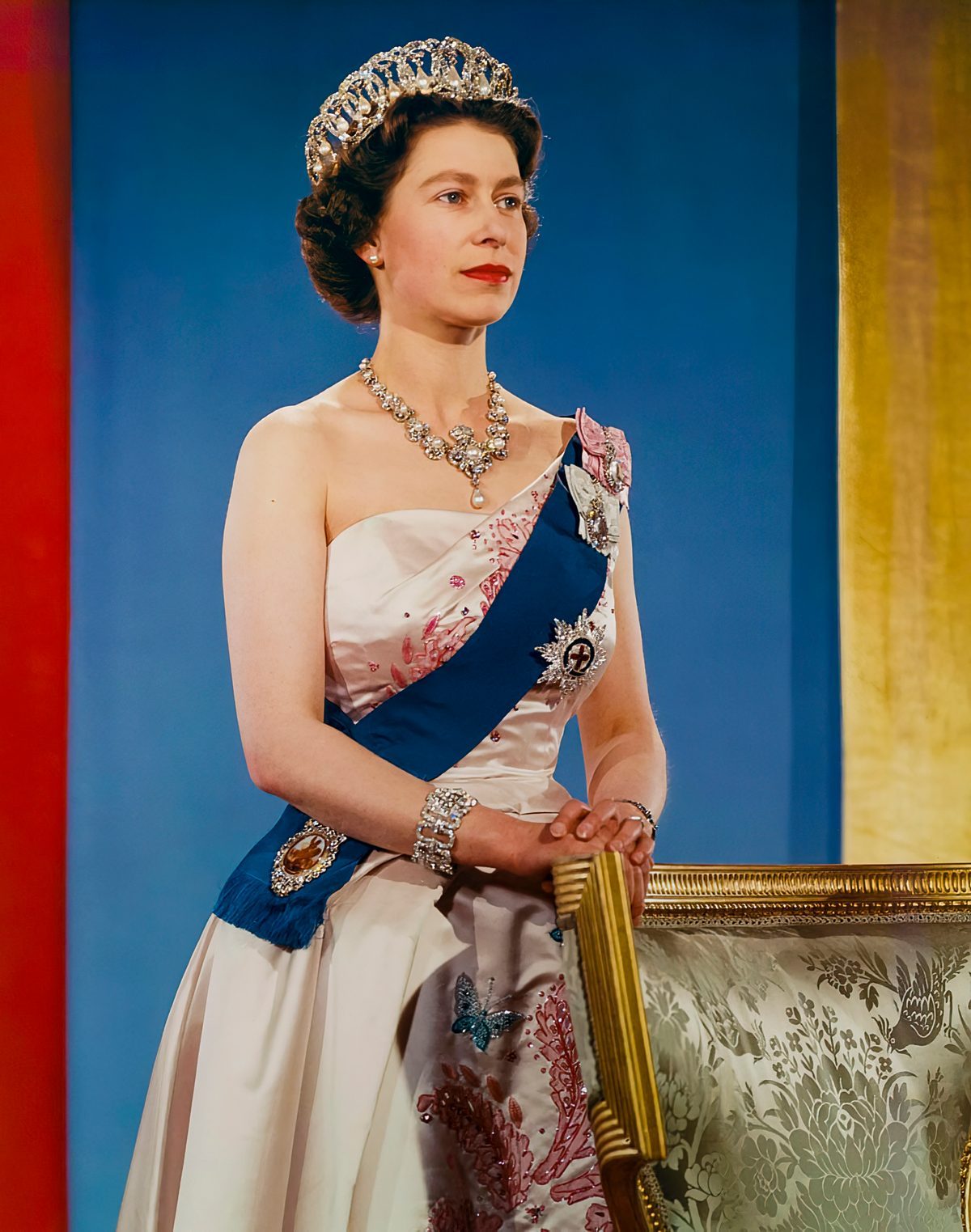
📷 Photo: Donald McKague. Public domain via Wikimedia Commons.