Stepping into the Heart of Grief
Queen Elizabeth II's decision to visit Aberfan in 1966 wasn't merely a matter of royal protocol. It was a decision layered in complexity, empathy, and profound courage. Just eight days prior, the small Welsh village had been ensnared in a tragedy of unfathomable proportions. The collapse of a colliery spoil tip had unleashed an avalanche of slurry, consuming Pantglas Junior School and taking the lives of 116 children and 28 adults. In the aftermath, the air in Aberfan was thick with grief — a grief so pervasive and raw that it overshadowed everything else.
Royal advisors, acutely aware of the social and emotional climate, urged the Queen to delay her visit. They worried about the optics, about the possibility of appearing insensitive in the face of such profound sorrow. Yet, embodying her characteristic quiet resolve, the Queen chose otherwise. On October 29, 1966, she stepped into the heart of Aberfan, her presence both an acknowledgment of suffering and a beacon of hope for the bereaved community.
The Weight of Responsibility
The Queen's arrival in Aberfan wasn't only significant for its timing but for its deeply human elements. For the monarch, the loss of so many young lives was a tragedy that transcended her formal duties. It was about connecting with a community shattered by loss, and in many ways, it was about redressing the balance of the worlds she straddled — the glamorous, distant world of royalty and the everyday, often harsh reality of her subjects.
Royal protocol offered little guidance in such an unprecedented situation. The British monarchy, historically ensconced in tradition and often perceived as detached from the populace, was thrust into a role that required empathy over etiquette. The Queen's decision to visit Aberfan represented a turning point, a nuanced understanding that her reign demanded not just visible leadership but palpable humanity. It was in moments like these that the essence of her monarchy was revealed — a reign grounded not in opulence, but in the strength and solace she could provide to her people.
A Silent, Profound Exchange
The visit that day was marked by numerous poignant exchanges, none more so than when a grieving mother reached out to take the Queen's hand. The world momentarily paused. In that silent exchange, as her gaze softened and her typically composed demeanor yielded to the moment's gravity, the Queen's facade changed forever. It was as if the enormity of the tragedy had peeled back a layer, revealing a sovereign inevitably human, irrevocably touched.
Witnesses recount that this exchange, enveloped in silence yet dense with emotion, left an indelible mark on everyone present. The Queen, whose poise had long been her shield, allowed herself to be vulnerable. It became apparent that in sharing this mother’s grief, she was offering more than consolation; she was extending her shared humanity. To the residents of Aberfan, in their anguish, the Queen's presence meant a solidarity that neither words nor gestures could fully capture.
The Ripple Effects of Empathy
The Queen’s visit to Aberfan resonated far beyond that immediate moment. After returning to London, those close to her described a monarch subtly transformed. The burdens of the Crown seemed more intimately intertwined with those of her subjects. Over the years, Her Majesty expressed regret at having waited eight days to visit Aberfan. It was a rare admission from the Queen, touching on the difficulty of reconciling protocol with raw human needs.
This reality was reflected in her future engagements. The enduring empathy she showed in Aberfan threaded through subsequent public appearances and charitable initiatives. Her willingness demonstrated that the monarchy could be a force for comfort and compassion, a reflection of the people it served.
A Legacy of Compassion
Queen Elizabeth II’s visit to Aberfan serves as a profound reminder of her exceptional capacity to adapt and connect. Her actions underscored the royal family’s role in bridging past and present, tradition and change. By crossing the threshold from duty to sincere empathy, she cemented a legacy that placed as much importance on personal connections as on regal responsibilities.
Such moments are integral to the monarchy’s enduring relevance. They illustrate an unwavering commitment to the people, illustrating vividly why the charm and influence of British royalty endure. In examining these instances against today’s backdrop, we see that her dedication to duty was interwoven with her approachability and humanity. In times of crisis, Queen Elizabeth II offered not a distant figurehead, but a comforting hand — an act that will linger in collective memory, cherished and emblematic of resilience in the face of heart-wrenching adversity.
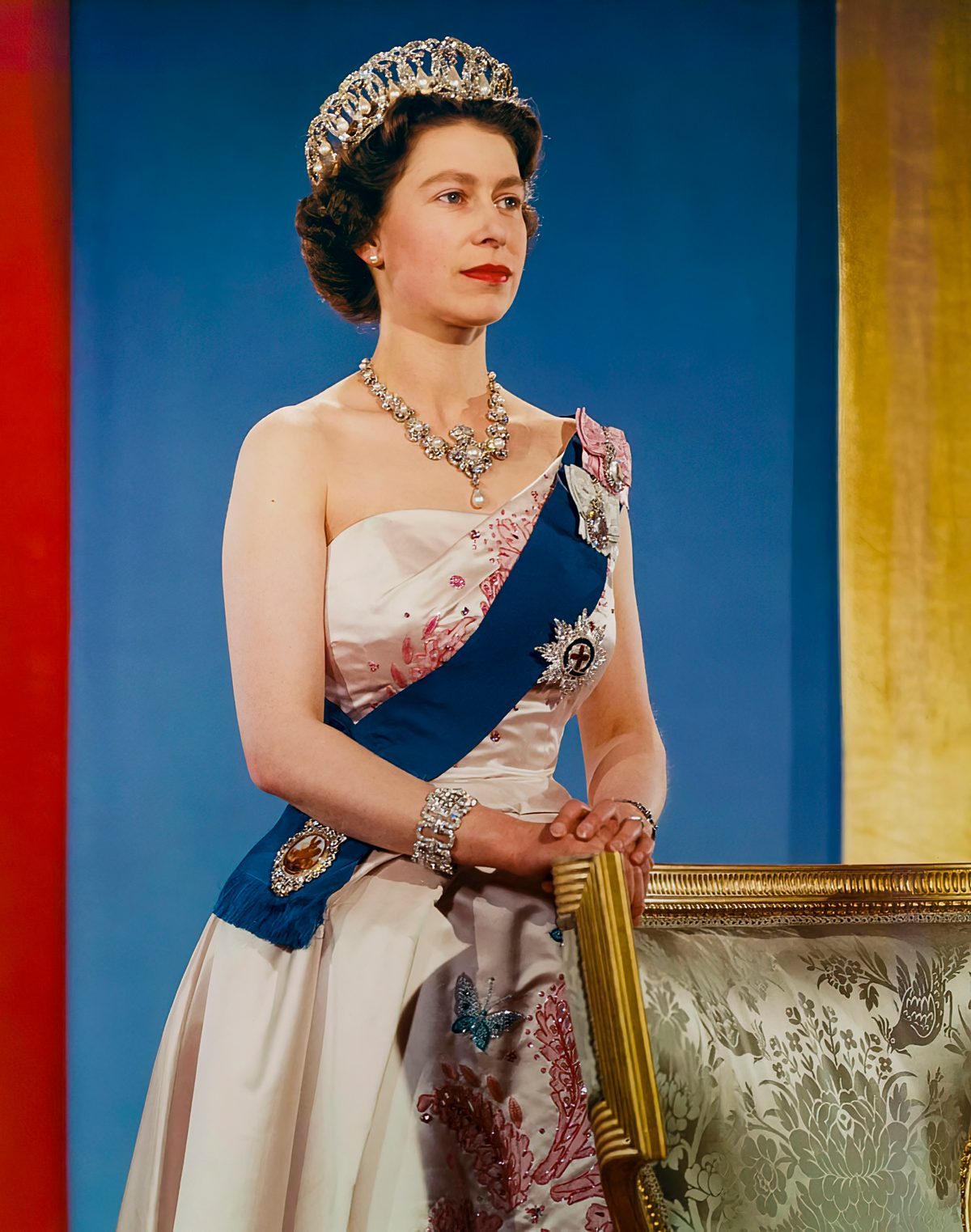
📷 Photo: Donald McKague. Public domain via Wikimedia Commons.