Queen Mary: The Steely Heart of British Royalty
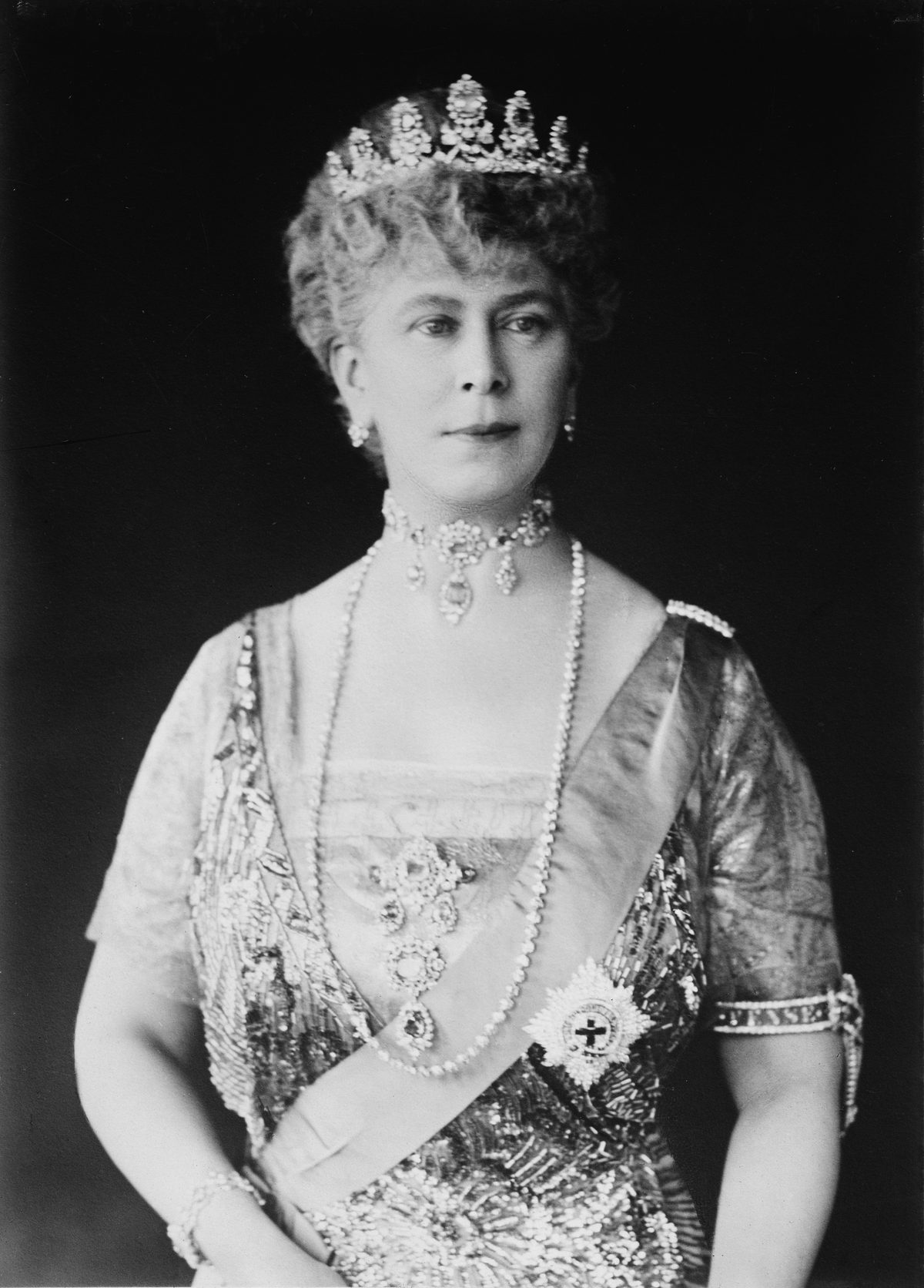
In an era where royalty was often shrouded in mystery and grandeur, Queen Mary stood as a paragon of regal dignity and authority. Born Mary of Teck in 1867, she became Queen Consort to King George V and mother to two British kings, Edward VIII and George VI. Her life was steeped in royal duty, displaying a formidable combination of stoicism and tradition that earned her both respect and reverence.
Despite her imposing presence and reputation for being somewhat aloof, Queen Mary's devotion to her country and the monarchy was unquestionable. Her stoic exterior often camouflaged a compassionate heart, one that was evident in the way she handled the affairs of the crown and her family. In 1940, as the specter of war loomed over the United Kingdom, Queen Mary withdrew from her London residence to the relative safety of Badminton House, the home of her niece, the Duchess of Beaufort.
It was during this period, amidst the swirling chaos of World War II, that one of the most poignant and revealing moments of her life unfolded—a moment that brings to light the softer, human side of this formidable monarch.
The Evacuation to Badminton House
With bombs raining down on London, Queen Mary joined the thousands who had to adapt to life away from the capital during the Blitz. Badminton House, a picturesque and stately home in Gloucestershire, became her refuge. Yet, despite the serene surroundings, Queen Mary remained inexorably linked to the war effort, embodying the “keep calm and carry on” spirit that resonated throughout Britain during those trying times.
Renowned for her meticulous nature, Queen Mary didn't take lightly to sitting idle in such turbulent times. Instead, she immersed herself in meaningful work, which included supporting the morale of soldiers and families affected by the war—a contribution that would soon lead to her most unexpected gesture of humanity.
A Compassionate Visit
Among her many activities, Queen Mary was dedicated to visiting nearby convalescent homes and hospitals, offering comfort to those injured on the front lines. These visits were not mere formalities; they were heartfelt outreach to the men who had sacrificed so much for her country. Her presence was as much a symbol of gratitude as it was a morale booster.
During one of these visits, Queen Mary entered a ward filled with wounded soldiers. Her presence, as expected, commanded attention. Within the ranks of the injured was a young soldier who had taken the brunt of war's cruelties. As she approached, he attempted to rise from his bed—a reflexive act of deference to the Queen. However, his weakened state made the effort futile.
In a rare and unforgettable moment, Queen Mary did something that astonished everyone in the room. She gently approached the struggling soldier, and as the echoes of gasps faded, she knelt beside him. “Please don't,” she softly entreated. “I'll come to you.” In those simple words and her unexpected gesture, a hush fell over the room—a testament to the humanity of a monarch seemingly larger than life.
The Hidden Humanity of a Monarch
Queen Mary's act of kindness was a window into the often hidden warmth behind her regal facade. Known for her keen interest in the welfare of soldiers and civilians alike, this moment was one of many quiet deeds she performed, reflecting the deep empathy that she felt for those suffering during the war.
Younger generations might remember Queen Mary for her formidable stance in family affairs or her exacting standards of protocol. Yet to the soldiers in that ward and many throughout Britain, she was a compassionate figure, a Queen who understood the personal cost of the war and who offered more than just symbolic comfort.
A Legacy Beyond the Throne
Queen Mary's life provides a fascinating lens through which to understand the values and traditions of the British monarchy. Her ability to balance the weight of centuries-old traditions with an approachable and heartfelt leadership is a reminder of the dual role royals often play: guardians of heritage and compassionate leaders attentive to the needs of their people.
In moments like these, where humanity shines through the layers of tradition and duty, we find the true heart of monarchy. Queen Mary's kneeling at a soldier's bedside is not just a heartwarming tale but a timeless reminder of the power of empathy. It speaks volumes about the strength found in humility and the enduring role of kindness in leadership.
Even today, as the British monarchy continues to navigate the complexities of a modern world, the lessons drawn from Queen Mary's life and actions remain resonant. Her story encourages us to look beyond titles and protocol to the universal language of humanity that connects us all. As we reflect on such moments, we are reminded that the most profound expressions of royalty aren't always those seen in grand ceremonies, but in quiet acts of compassion and understanding.
📷 Photo: W. & D. Downey. Public domain via Wikimedia Commons.