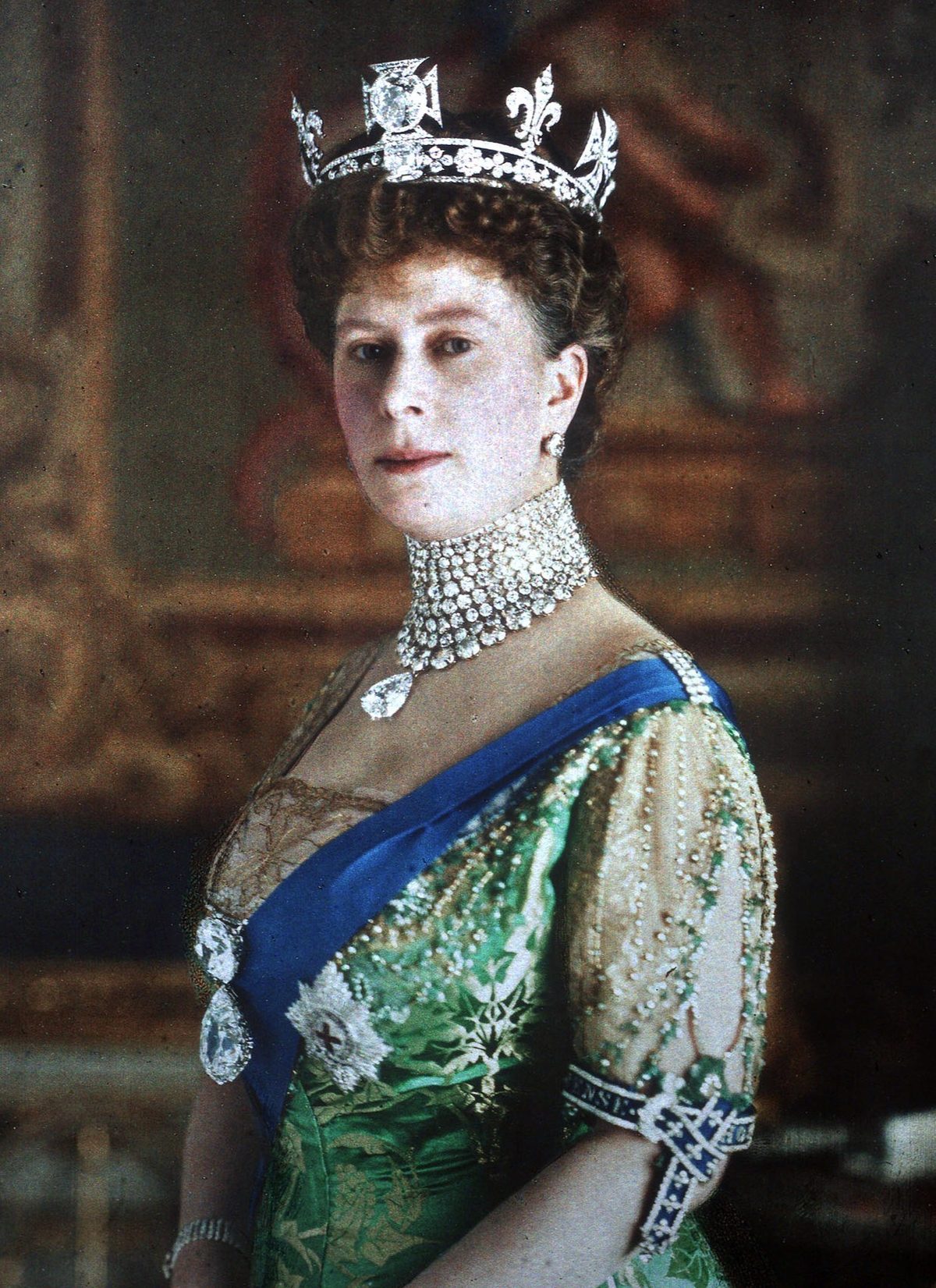
She was the most formidable royal of her generation. A queen consort, a queen mother, a symbol of unshakeable dignity. But when war came to Britain in 1940, Queen Mary rolled up her sleeves at Badminton House and did something nobody expected — something quietly, stubbornly magnificent.
A Grandmother to a Nation at War
Queen Mary, often perceived as an imperious matriarch, was an embodiment of the steadfast spirit for which British royalty is famed. Born into tumult, she married the soon-to-be King George V during an era where the monarchy was steadily redefining itself against the backdrop of global change. Her poise and commitment during her husband's reign set a powerful precedent, but it was during the Second World War that Queen Mary offered a testament of duty that truly endeared her to the hearts of the nation.
In the tumultuous year of 1940, as bombs rained down upon Britain, the royal family took strategic steps to ensure their safety. While her son, King George VI, remained resolute in staying at Buckingham Palace, Queen Mary was evacuated to Badminton House, the Gloucestershire estate belonging to the Duke and Duchess of Beaufort. She could have easily settled into a life of comfort, absorbing the pastoral beauty of the countryside away from the urban devastation. Yet, Queen Mary chose a different path, one that echoed the larger spirit of the nation's resilience.
The Unlikely Sight of a Queen in Action
Each afternoon at Badminton, Queen Mary was seen engaging in a peculiar task that, by royal standards, was both unexpected and profoundly moving. Accompanied by a small entourage of staff, the Queen made her rounds across the estate, collecting scrap metal. Her mission was clear: to contribute as much as possible to the war effort.
In every creak of a rusty hinge and in each discarded tool that she collected, Queen Mary’s dedication was unmistakable. At 73, her stature might have suggested a march more suited to glittering ballrooms, yet here she was, purposefully navigating barns and sheds. Her efforts aligned with the national scrap metal campaign, a cause that saw common citizens donating everything from garden gates to bed frames for the manufacturing of tanks, planes, and ammunitions.
This hands-on involvement was no royal tour or fleeting gesture; it was a commitment she carried out with diligence, echoing the wartime spirit of every British citizen invited to contribute to the war effort. To see her engage in this work as the public did was a powerful testament to her character and a vivid reminder of the unity the monarchy could inspire.
A Personal Sacrifice for the Sake of Unity
Queen Mary's actions at Badminton were emblematic of a larger narrative. They were a demonstration of how the monarchy adapted to the changing tide of public expectation and national need, an evolution from ostentation to tangible participation. Her presence and participation underscored the monarchy's role not just as figureheads watching from afar, but as active contributors to the nation's wellbeing.
While her efforts were certainly substantive in terms of physical contribution, the symbolic value was even greater. Queen Mary's dedication resonated deeply with other older Britons and those who might have been feeling the fatigue of war, highlighting the notion that no one was too old or too aristocratic to play their part. Her daily rounds around Badminton House were a unifying call to action, reflected in the spirit of her descendants, from the current Queen Elizabeth II down to the next generation, who continue the tradition of service amidst public challenges.
Legacy of Quiet Nobility
Queen Mary's efforts were not widely publicized during the war, yet those who witnessed her determination found inspiration in her stoic approach to duty. Her legacy of quiet endurance and service continues to echo throughout royal activities and public service campaigns today. The contemporary royal family's commitment to charitable causes and community service can, in many ways, draw a direct line back to Queen Mary’s wartime activities.
The queen who walked across the fields at Badminton House left behind more than just the scrap metal she collected. She left an enduring message: that the monarchy, often perceived as distant and aloof, could—and should—lead by example in times of national crises. This legacy of active compassion and duty inspires admiration and loyalty, ensuring the monarchy's place as a unifying symbol within the fabric of British society.
The Timelessness of Service
As we reflect on Queen Mary's quiet yet impactful actions during one of the most challenging periods of the 20th century, we are reminded of the power of small, selfless acts to impact change and inspire hope. In a world that often emphasizes grand gestures and public displays, her story serves as a potent reminder of the timeless value of dedication and humility.
For modern-day observers of royal life and tradition, Queen Mary's wartime contributions offer a glimpse into the heart of a monarchy that remains steadfast amidst adversity. As the present-day royal family continues to engage in public service, her legacy endures, underscoring the monarchy’s commitment to unity and community, inspired by a past that continues to inform its future.
📷 Photo: Le Jeune. Public domain via Wikimedia Commons.