Amid the whispers of an abdication crisis in 1936, behind the heavy doors of Buckingham Palace, a story of quiet kindness unfolded. One might never expect that in the tumult of the British monarchy’s most challenging year, a queen would take the time to reach out to an individual lost in grief. But this is exactly what Queen Mary did.
A Time of Upheaval
The year 1936 was turbulent for the British monarchy. It was the year of three kings. In January, King George V passed away, leaving the throne to his son, Edward VIII. By December, Edward had abdicated to marry Wallis Simpson, a twice-divorced American socialite, creating a constitutional crisis that shook Britain to its core. As the nation reeled from this unprecedented upheaval, Queen Mary, the matriarch of the royal family, quietly demonstrated a deep commitment to her people.
Queen Mary was renowned for her formidable presence and unyielding adherence to protocol. Yet beneath this steely exterior was a woman capable of great warmth and empathy. She understood the personal sacrifices made by her subjects, having faced her own share of personal loss and national duty. In those dark days of six tumultuous months, Mary found solace in her duty, extending her condolence not only to her family in crisis but to strangers in need.
The Widow's Heartfelt Appeal
One such stranger was an unnamed widow, who, feeling isolated in her grief, decided to reach out to the sovereign. Her husband’s recent passing had left her both emotionally and financially vulnerable, and while she surely anticipated little, she penned a letter to the Queen—a figure whom she perhaps saw as both a maternal symbol and a bastion of steadfastness amid her own crumbling stability.
The widow’s letter traversed the layers of royal communication protocols, typically designed to respond with form letters or not at all. It was simply a reflection of her pain, reaching out across the chasm of class and circumstance. Yet it somehow made it to Queen Mary’s personal attention.
Queen Mary’s Personal Touch
The reply came not as a standardized letter from a secretary, as might have been expected, but in the form of a telegram. Three days after the widow's letter was sent, a royal messenger arrived at her door. The words in the telegram were few, but deeply impactful: a message of sympathy directly from the Queen herself. What made it exceptionally touching was the fact that Queen Mary had taken the time not merely to dictate but to sign her name, imparting a piece of her presence onto paper.
"Comfort and strength be with you always," the telegram read, "Mary R."
For Queen Mary, this act was one of countless similar gestures she performed, rooted in her belief in duty and kindness. Her actions remind us of the oft-overlooked overlaps between sovereignty and humanity, where even the slightest gesture can ripple significantly through another’s life.
The Wider Impact of a Single Gesture
The widow never forgot the telegram that changed her life. It became, she later shared, a symbol of hope and connection. In an era where the separation between the royals and commoners was palpable, this communication bridged a gap, reminding her that she was seen, that her grief was acknowledged by the highest echelons of society.
Such stories remind us of the power inherent in recognition and compassion, exemplified by the Queen’s willingness to personally engage with her subjects during a time when her own family’s drama dominated headlines. For those like the widow, the simple act of receiving a personal message from the Queen validated their suffering, providing a sense of importance and connection.
A Reflection on Royalty and Empathy
Queen Mary’s life, marked by her steadfast support through both world wars and the crisis of succession, was a testament to the stabilizing power of her presence. Through all public trials, she remained a bulwark of the royal family, quietly supporting the thrones of Kings George V, Edward VIII, and George VI. Her personal acts of kindness illustrate the quieter, often unseen side of the monarchy—a side that endeared her to her people and strengthened the enduring ties between the Crown and its subjects.
Today, as modern monarchies continue to evolve and adapt, Queen Mary’s legacy of personal connection endures. In a world now dominated by digital communication, her story serves as a poignant reminder of the human touch’s timeless power. The monarchy remains a symbol of unity and tradition, remaining relevant, in no small part, because of these personal gestures that remind us all, irrespective of rank, of our shared humanity.
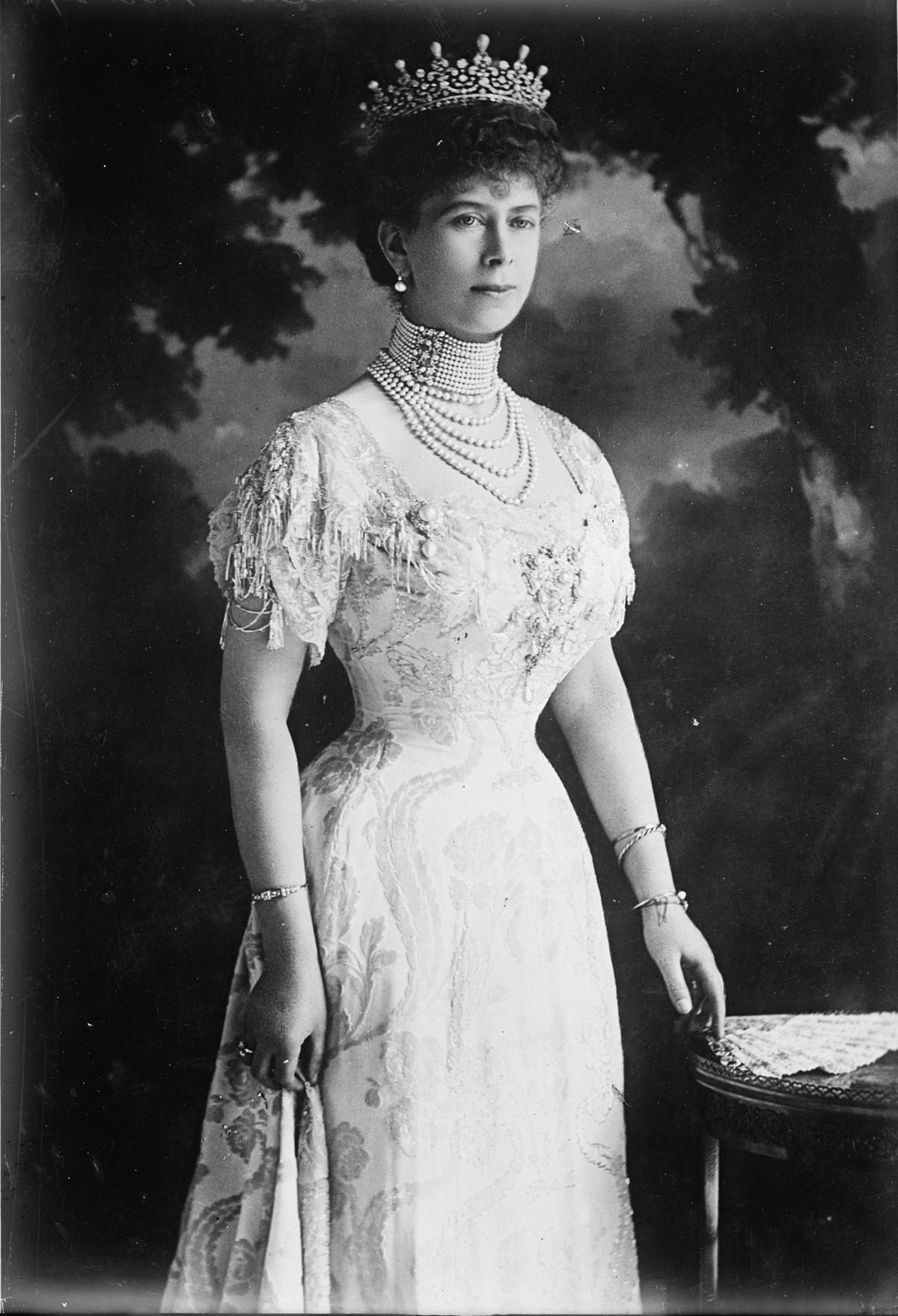
📷 Photo: Harris & Ewing, photographer. Public domain via Wikimedia Commons.