In the twilight of 1917, Britain stood deeply entrenched in the grim trenches of the First World War. Echoing with the deafening sounds of artillery, the era bore bitter witness to innumerable acts of bravery and poignant stories of loss. It was in this somber context, amidst the turmoil and despair, that Queen Mary, known for her stoic and regal demeanor, found herself drawn toward a quieter expression of empathy. She ventured into a small, unassuming home, a place far removed from the opulence of Buckingham Palace, to offer a simple yet profound comfort—a gesture that remains entwined in history's heart.
A Silent Knock during a Time of War
The weight of 1917 had pressed heavily upon the world. The Great War, as it was known then, lingered past the anticipated short conflict into a protracted and devastating ordeal. Back home, headlines spoke in sombre tones, detailing casualties that reached into every corner of the British Isles. Yet amidst this aching symphony of pain, Queen Mary performed an unexpected, unsanctioned act of compassion. It began with a gentle knock at the door of a grief-stricken widow—devastated by the recent news of her husband’s passing on the battlefield.
No retinue heralded the Queen's arrival. She had come alone, devoid of fanfare or royal protocol, embodying a simple humanity that transcended her royal obligations. This was an era when royals were seldom seen beyond the grand halls of palatial estates without a watchful entourage. Yet, seeking despair’s quiet company, Queen Mary knocked at that widow’s door, without royal carriage or commanding ceremony.
Queen Mary: A Private Figure Untold
Historically known for her composed and traditional persona, Queen Mary, consort to King George V, represented the epitome of duty and decorum. Her life was steeped in the rhythms of royal tradition—tasked with upholding the crown's dignity amidst tumultuous change. Yet beneath her graceful exterior lay a profound, if restrained, empathy for those bearing the brunt of war’s cruelty.
The remarkable visit to the widow’s home revealed a different facet of Queen Mary. Those who knew her describe a deeply empathetic soul who, while restrained by the era’s expectations of monarchy, was not unfeeling. Her resolute nature was often interpreted as aloofness, but it often hid a heart attuned to the motions of compassion, one that beat with concern for her subjects stricken by unprecedented loss.
Comfort in Silence
Inside that modest home, adorned with remnants of a life once shared, Queen Mary found a widow subdued by grief. There were no grand speeches or grandiose gestures; the Queen simply sat beside her. In the absence of words, she offered the presence of understanding. As stories recount, Queen Mary held the widow’s hand, anchoring her amidst the storm of sorrow until the sobbing slowly faded into a fragile calm.
This encounter, unrecorded in the official pages of court diaries—left out purposefully or perhaps overlooked in the exigency of the times—was rarely spoken of by those present. Yet its impact lingered, a poignant illustration of the Queen's quiet resolve to reach beyond the boundaries set by her position. It was during this silent vigil that Queen Mary’s humanity shone most vividly, resonating with the deepest fears and hopes of her war-wearied people.
A Story Revealed by Time
Details of that evening, shrouded by the discretion of those involved, remained within the intimate vaults of the widow’s memory for many years. It was only decades later that this narrative found light, shared humbly as a testament to a monarch’s unexpected kindness during one of history’s darkest hours.
In earlier times, such revelations about royal figures were not uncommon but rather familiar in folklore and legend. However, Queen Mary's unheralded visit was markedly modern in its modesty and warmth—a precursor to many of the charitable endeavours that modern royals undertake today. Her gentle breach of courtly expectations underscored a meaningful truth: that the crown, although ensconced in ceremonial finery, is most powerful when it stoops to lift the hearts of its people.
Reflections on the Ripple of Small Acts
In our current age, where the monarchy continues to play a significant role in public service and philanthropy, Queen Mary's intimate gesture resonates with enduring relevance. Her visit serves as a timeless reminder that empathy and kindness, even when quietly given, are among the most potent of human expressions. The monarchy today, with its concerted efforts toward charity and social causes, echoes her profound simplicity in action—a legacy that began in earnest on an unremarkable day in 1917.
In celebrating this moment, we gain not only insight into Queen Mary’s character but also a deeper understanding of the monarchy’s journey toward a more direct connection with the people it serves. The story of that gentle knock continues to inspire a reverence for those small, unseen moments where royalty steps down from its pedestal and walks among us, kin in our trials, to share in the quiet triumph of the human spirit.
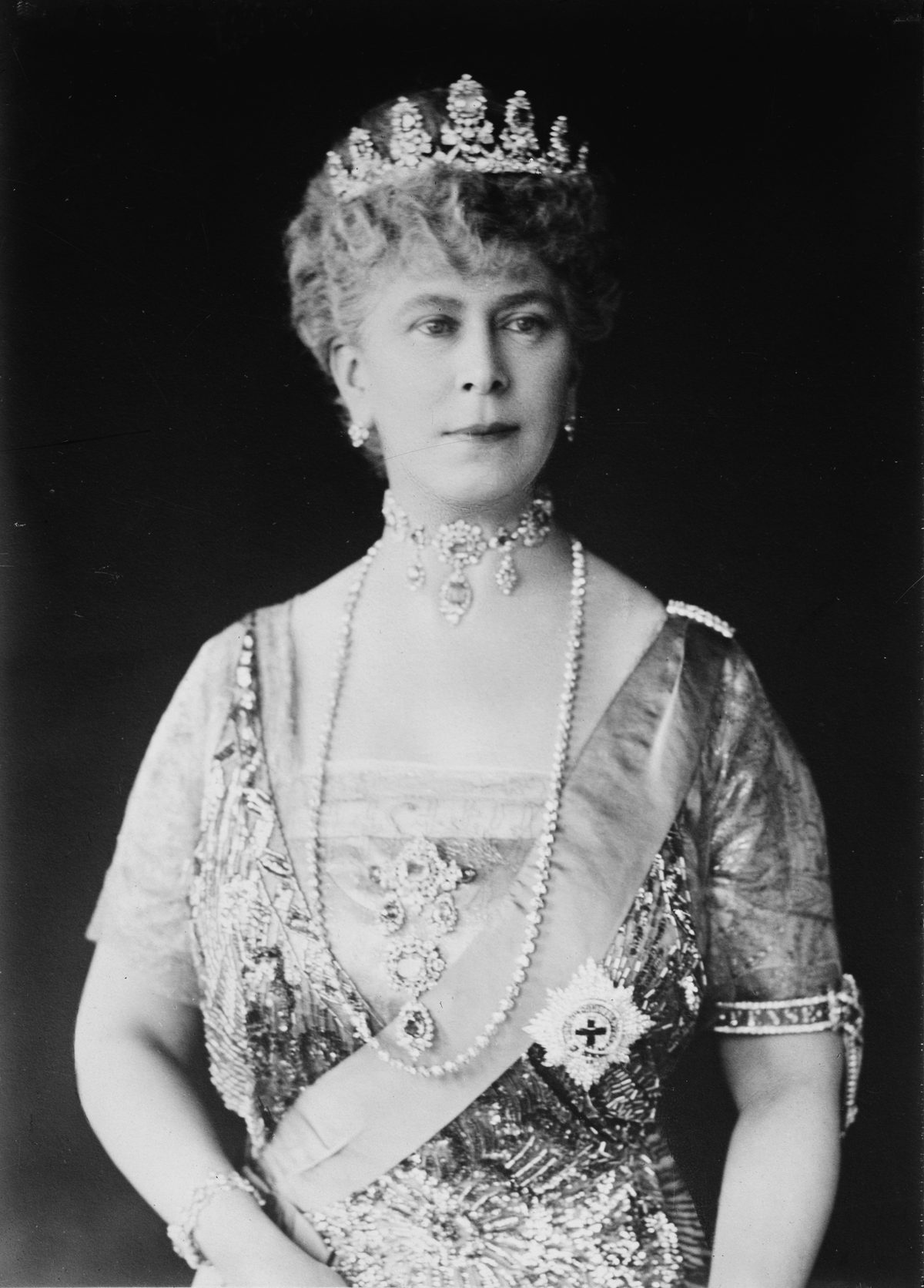
📷 Photo: Lafayette. Public domain via Wikimedia Commons.