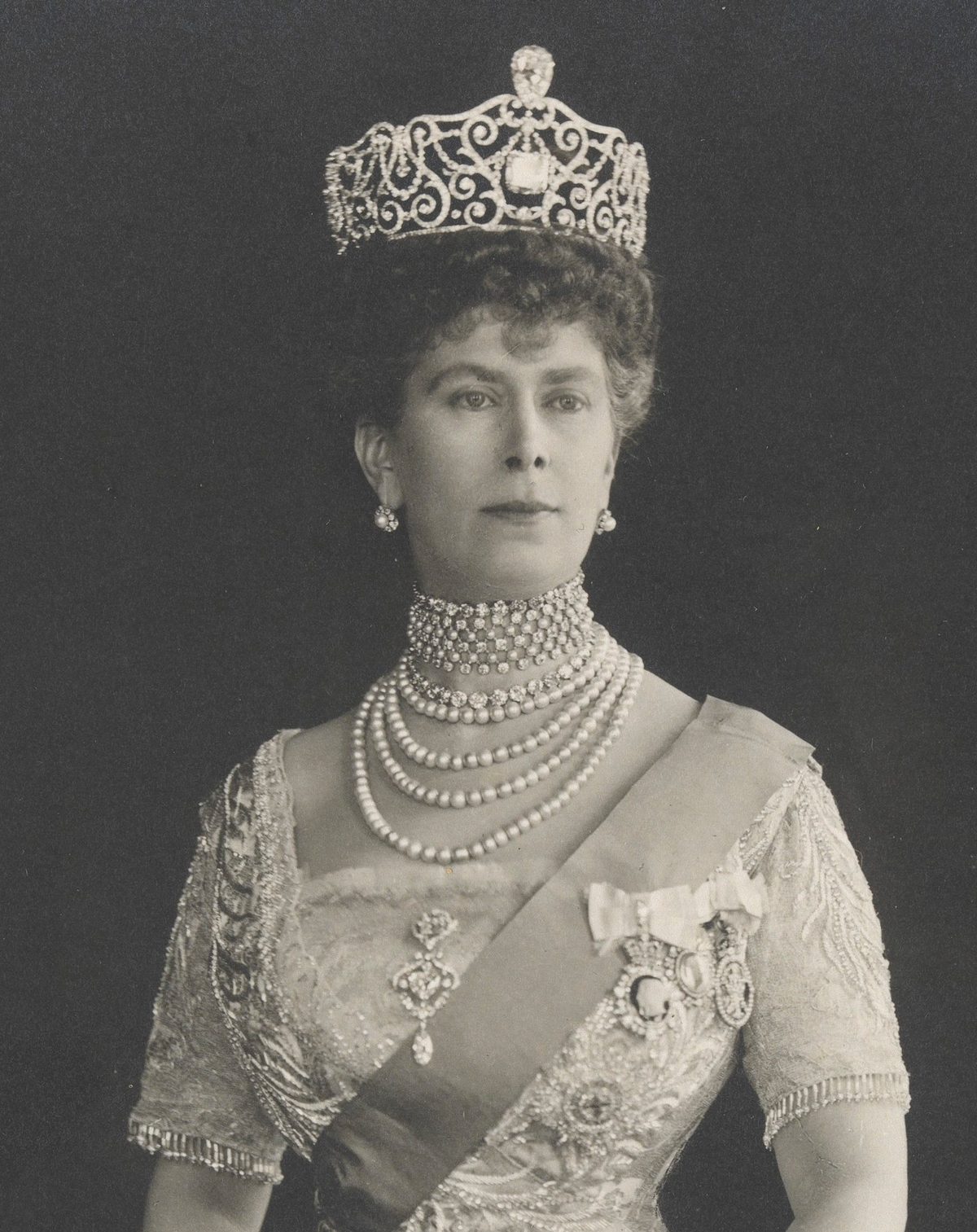
When the drums of war echoed across Europe in 1939, the British royal family, epitomes of grace and tradition, found themselves thrust into roles far removed from their regal duties. Among them, Queen Mary — the stoic dowager queen and former consort of King George V — was evacuated to the pastoral elegance of Badminton House in Gloucestershire. But what unfolded at this rural estate was not the image of an idle monarch sheltered from the hardships of the era. Instead, it was there that Queen Mary rolled up her sleeves, took hold of a spade, and indulged in an act of defiance and determination, much to the horror of her butler and the astonishment of those around her.
Undaunted Resolve in an Uncertain Time
The outbreak of the Second World War prompted many across Britain to make drastic adaptations. The royal family, too, was not exempt from these changes. Seeking refuge from the ravages of war-torn London, Queen Mary relocated to Badminton House, the residence of her niece, Mary Somerset, Duchess of Beaufort. The stately home, with its lavish fineries and expansive manicured grounds, was intended as a sanctuary where the queen could remain safe and tranquil.
Yet, Queen Mary was a woman of formidable spirit and unyielding resolve. Idle contentment was never in her nature. Raised in an era of stringent work ethic and service, she could hardly stand by as the nation steeled itself for conflict. Inspired by the "Dig for Victory" campaign, which encouraged citizens to grow their own food to support the war effort, Queen Mary determined that the grounds of Badminton House were destined for more than leisure and aesthetic appreciation.
A Surprising Turn in the Gardens
The history books often paint the royal family in strokes of ritual and regulation, and Badminton's gardens were initially no different — a testament to beauty and order. But beneath this veneer lay fertile ground for change. With a steadfastness that belied her years, Queen Mary took it upon herself to plant a wartime vegetable garden. In doing so, she surprised even her closest aides with her willingness to participate in such a hands-on endeavor.
Her butler, accustomed to serving a sovereign who epitomized regal elegance, was taken aback by this display of physical labor. Entrusted with the care of the household and its comforts, he reportedly begged the queen to reconsider transforming the historic grounds into a farmland plot. Yet Queen Mary's resolute nature shone through once again. With a simple gesture — handing her butler a spade — she issued a silent mandate that her decision was final and the task would be shared.
A Royal Example of Wartime Dedication
The transformation of the gardens at Badminton House was no minor pursuit. Queen Mary's endeavor resonated beyond the estate walls, serving as a powerful symbol of unity and sacrifice. Her actions echoed the sentiment felt across the country, as Britain's citizens from all walks of life were asked to contribute to the war effort in whatever capacity they could. The queen led by example, showing that no one, regardless of status, was untouched by the demands of duty and patriotism.
This act of digging up manicured lawns to plant vegetables was emblematic of her personal commitment to the cause. It was an enterprise that brought not only sustenance to the table but also seemed to reinvigorate Queen Mary with a renewed sense of purpose. Her resolve illustrated the profound impact of wartime resilience, casting her in a light of proactive contribution rather than passive seclusion.
Legacy of Harmony Between Tradition and Progress
In those turbulent years, Queen Mary's decision to actively engage with the land at Badminton left a lasting legacy, both physically and symbolically. It was an extraordinary example of a figurehead embracing change in the face of adversity, merging the timeless significance of royal duty with the practicality demanded by the era. The queen's initiative proved that even the most traditional of institutions could pivot towards progress, galvanizing the morale of a nation struggling to navigate the trials of war.
Her actions at Badminton are a profound reminder that the monarchy, while steeped in heritage, has often found ways to resonate with the public in meaningful ways. Queen Mary's vegetable garden was more than a mere patch of cultivated earth; it was a testimony to the enduring spirit of service and adaptability that continues to define the British monarchy.
Today, as we look back upon such epochs with admiration and respect, Queen Mary's wartime garden serves as a vivid illustration of leadership and fortitude. It is a timeless narrative of how the past influences the present, demonstrating that in every unfolding chapter of history, there lies an opportunity for growth and unity. The enduring connection between the monarchy and its people, solidified through shared endeavors and mutual support, remains a testament to the powerful legacy of figures like Queen Mary, whose actions spoke louder than words.
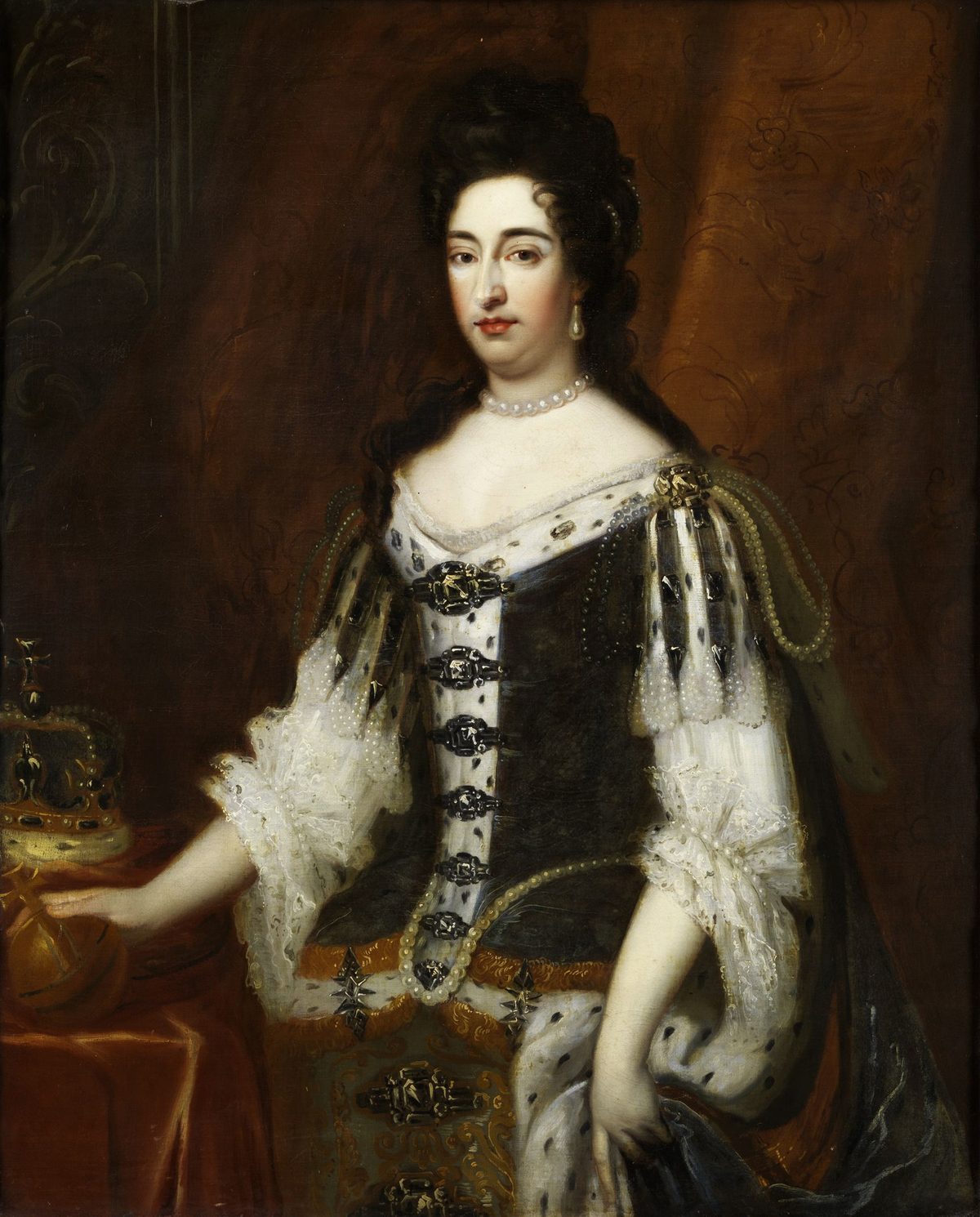
📷 Photo: After Godfrey Kneller. Public domain via Wikimedia Commons.