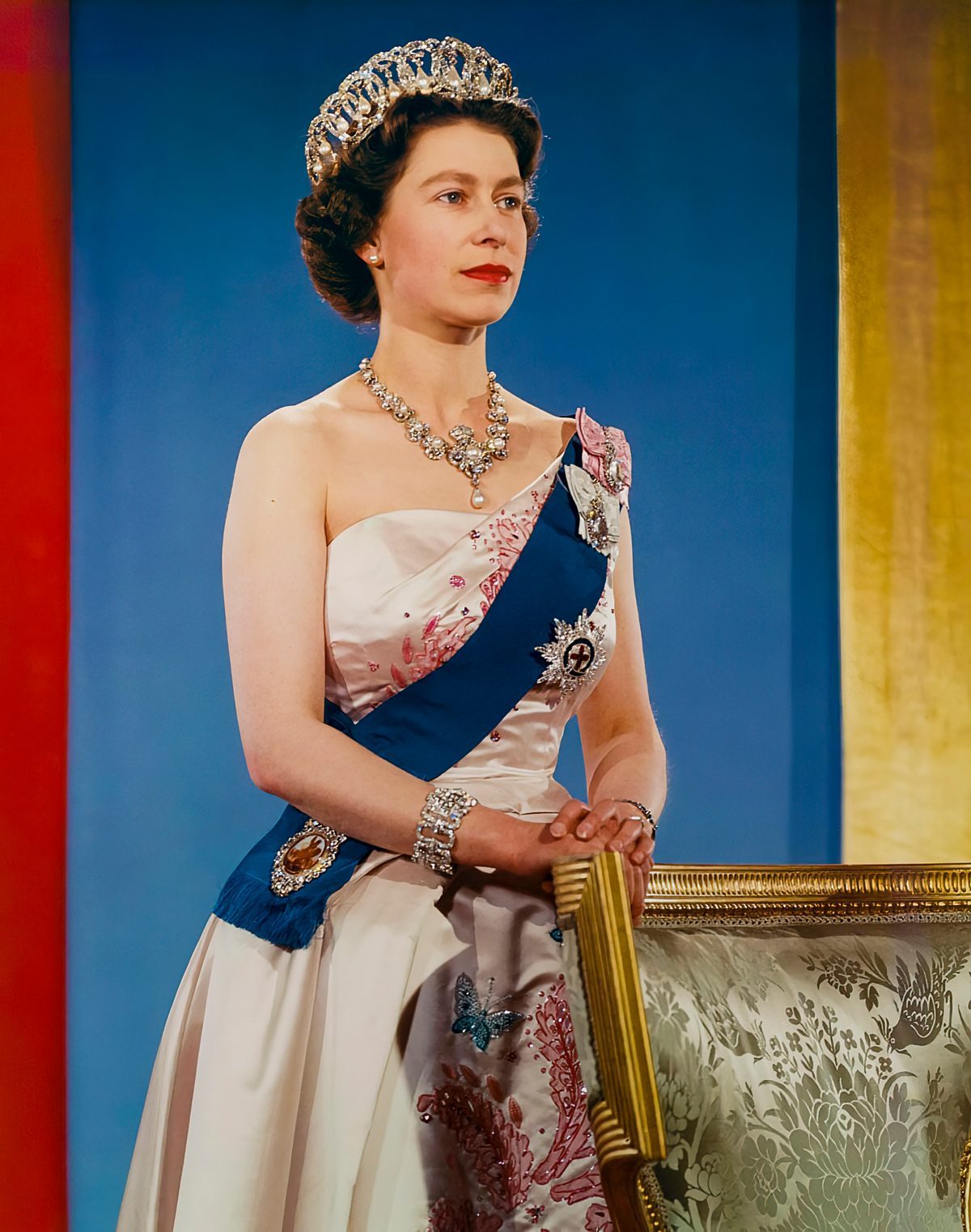
In the serene, majestic expanses of the Scottish Highlands lies Balmoral Castle, a beloved retreat for the British Royal Family. Here, amidst the wild heather and towering pine trees, tradition mingles with unadulterated leisure. It is within this idyllic sphere that Queen Elizabeth II, away from the formalities that defined her public persona, would occasionally tie on her apron and head to the kitchen. A striking image, her Majesty — known for poise, protocol, and responsibility — transformed into simply a grandmother cooking breakfast. The quiet crackle of eggs hitting a skillet, the sizzle, the sprinkling of salt and pepper by her own hands — this was a lesser-known, endearing facet of Britain's longest-serving monarch.
The Enchanted Allure of Balmoral
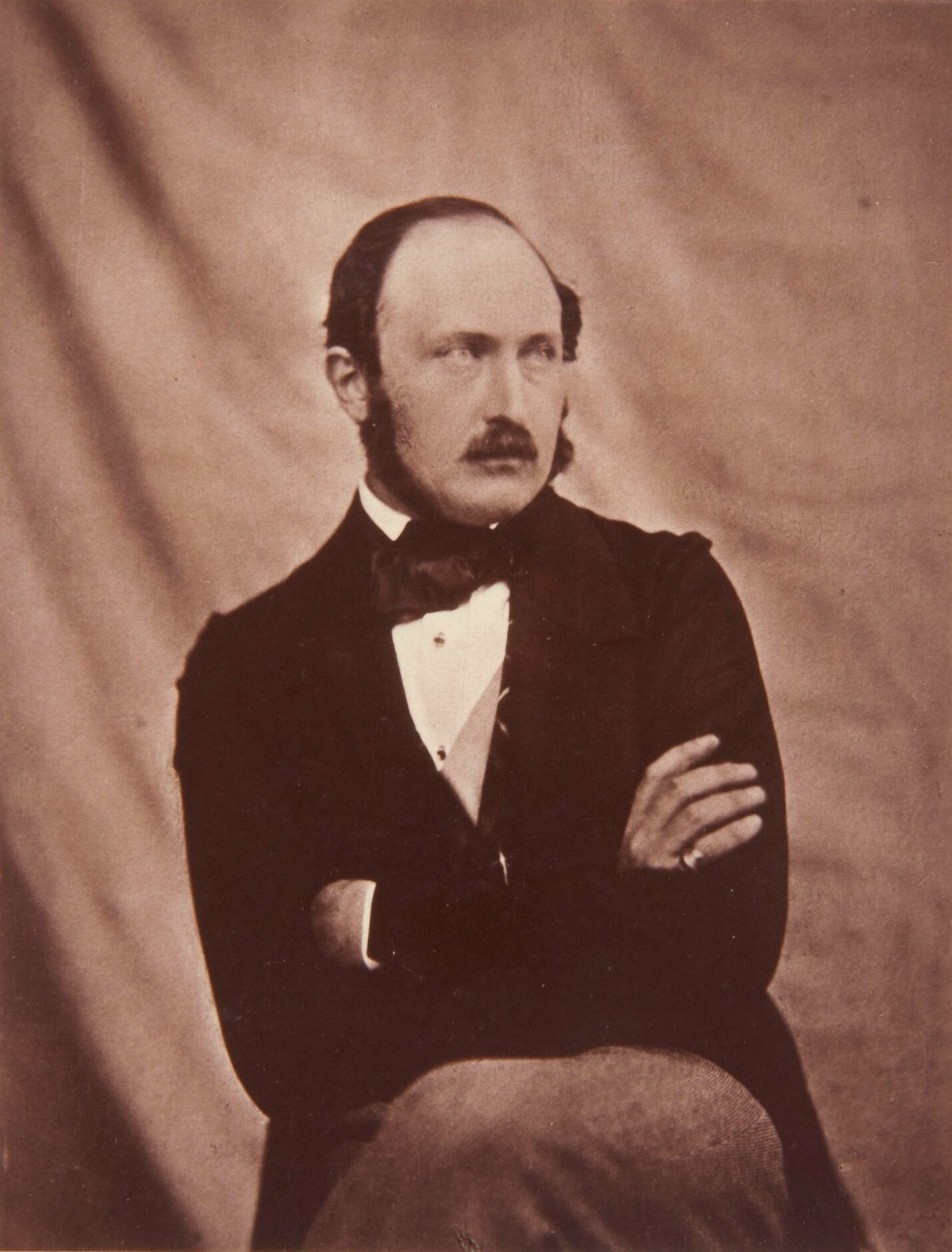
Balmoral Castle has always been more than just another residence for the British royals. Purchased by Prince Albert in 1852 for Queen Victoria, the castle has been a sanctuary where succeeding generations of the royal family could escape the relentless scrutiny of the world stage. This lush estate in Aberdeenshire spans roughly 50,000 acres, encompassing forests, wildlife-filled moors, and sparkling lochs. It is a cornerstone of royal tradition—a place where formality unravels under the spell of rugged natural beauty.
While many might envisage the queen surrounded perpetually by a retinue of attentive staff, Balmoral offered her a much-needed break. Here, she could breathe freely, revel in the simplicity of Scotland’s unspoiled landscapes, and embrace domestic routines. Cooking, one of the most fundamental acts of home life, strangely suited her, and in the heart of this castle, Queen Elizabeth forged an authentic connection with both the place and its people.
Queen at the Stove: More than Meets the Eye
It might be surprising to some that a queen known for her commitment to duty and decorum would delight in standing before a stove, wielding a spatula rather than a scepter. Yet for Elizabeth, the practice of cooking provided a sense of normalcy and tranquility, a marked contrast to the official rigor of Buckingham Palace or Windsor Castle. By nature, Elizabeth was a woman of simplicity—fond of corgis, country walks, and an aversion to pomp, which often juxtaposed her public image.
Her culinary ventures were not grandiose displays but intimate moments that underscored her humble tastes. She was known for her love of straightforward fare—shame to anyone who over-thought the menu. Scrambled eggs were a favorite, lovingly prepared alongside produce sourced from the estate. The queen’s approach to cooking exhibited the same unassuming resoluteness she brought to her duties, embodying an innate sense of self-sufficiency.
A Testimony from the Staff
The sight of Queen Elizabeth donning an apron without the accompaniment of livery-clad attendants is held fondly in the reminiscences of the staff. While maintaining professional discretion, some have shared the impact of witnessing such an iconic yet unexpectedly relatable scene—a royal paradox in action. It was a poignant reminder that beneath the crown, there was an everyday woman engaging in acts familiar to common households.
Those lucky enough to be in proximity during these ritualized mornings were often left with a deep sense of respect and admiration. Not only did it humanize the monarchy, but it also forged a connection between the sovereign and her staff built on mutual respect and shared experiences—lessons in leadership and humility that spoke volumes beyond words.
Royal Traditions and Domestic Bonding
Within the royal family, these quiet instances of cooking and shared meals at Balmoral fostered familial bonds. The open kitchen became a lush tapestry of memories woven together during the summers spent in Scotland. Generations gathered around the breakfast table, creating a lasting legacy laced with love, laughter, and warm meals.
What unfolded in those modest Balmoral kitchens was a softened image of the crown, juxtaposed with children’s laughter echoing through the hallways—a reminder that the monarchy is not only an institution but also a family. This tableau of unity and continuity, glimpsed in the simplest of domestic rituals, holds a timeless charm.
From Then to Now: The Enduring Legacy
Although times have changed, the roots of these heartening traditions hold fast. Queen Elizabeth's quiet moments at Balmoral magnified the humanity within her extraordinary life. Her legacy extends beyond the throne—capturing the imaginations of future generations who perceive her not only as queen but as a warm matriarch who found joy in the ordinary.
In revisiting the tales of yesteryear, we are reminded that the true strength of the monarchy often lies in its ability to balance grand ceremonials with simple lives. It’s a universal truth that brings us back full circle, resonating with anyone who's taken solace in the quiet routines of home. As we move forward, reflecting upon these gentle narratives, they guide us to view history not only through the prism of monumental events but also through the warmth of shared humanity, best epitomized by the queen stirring the humble eggs in her Balmoral kitchen.
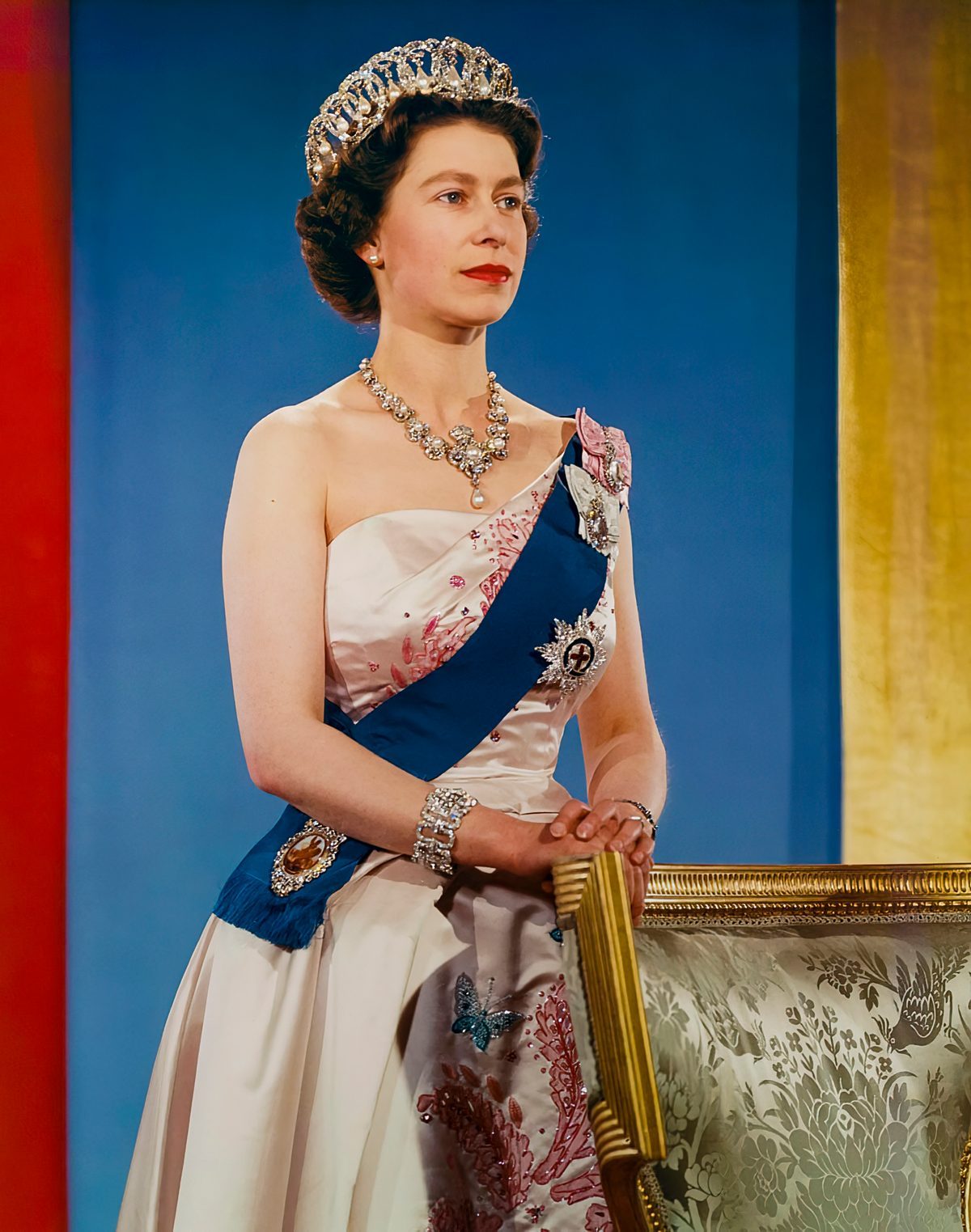
📷 Photo: Donald McKague. Public domain via Wikimedia Commons.