The summer of 2020 will be remembered for many things, but amidst the global challenges of that year, a moment of quiet beauty unfolded within the walls of All Saints Chapel, Windsor. Princess Beatrice, the eldest daughter of Prince Andrew and Sarah, Duchess of York, took her vows in an unexpectedly intimate ceremony, captivating those who would soon learn of the event not just because of its secrecy, but for the deeply personal touches that made this royal moment unique. At the heart of this heartfelt affair was a gown — not new, but steeped in history; a beautiful Norman Hartnell creation, worn by Queen Elizabeth herself, binding grandmother and granddaughter across the generations.
A Ceremony Shaped by Circumstance
In a world that had come to a halt, where grand ceremonies and public gatherings were largely put on hold, Princess Beatrice's wedding to Edoardo Mapelli Mozzi heralded an unexpected shift in royal tradition. Originally planned for late May that year, their wedding was postponed indefinitely due to the COVID-19 pandemic, a reality that reshaped not just royal plans, but perhaps the very nature of such unions.
What transpired on July 17, 2020, was a ceremony devoid of the customary pomp and circumstance. Yet, it was not lacking in meaning or majesty. In the presence of fewer than 20 guests, including Her Majesty The Queen and the Duke of Edinburgh, Beatrice's marriage celebrated intimacy and family in a manner unseen in royal circles for many years. It was a reminder of the earlier royal weddings before the media's omnipresence — where personal bonds could breathe freely, away from the flashbulbs.
The Gown: A Royal Treasure Revived
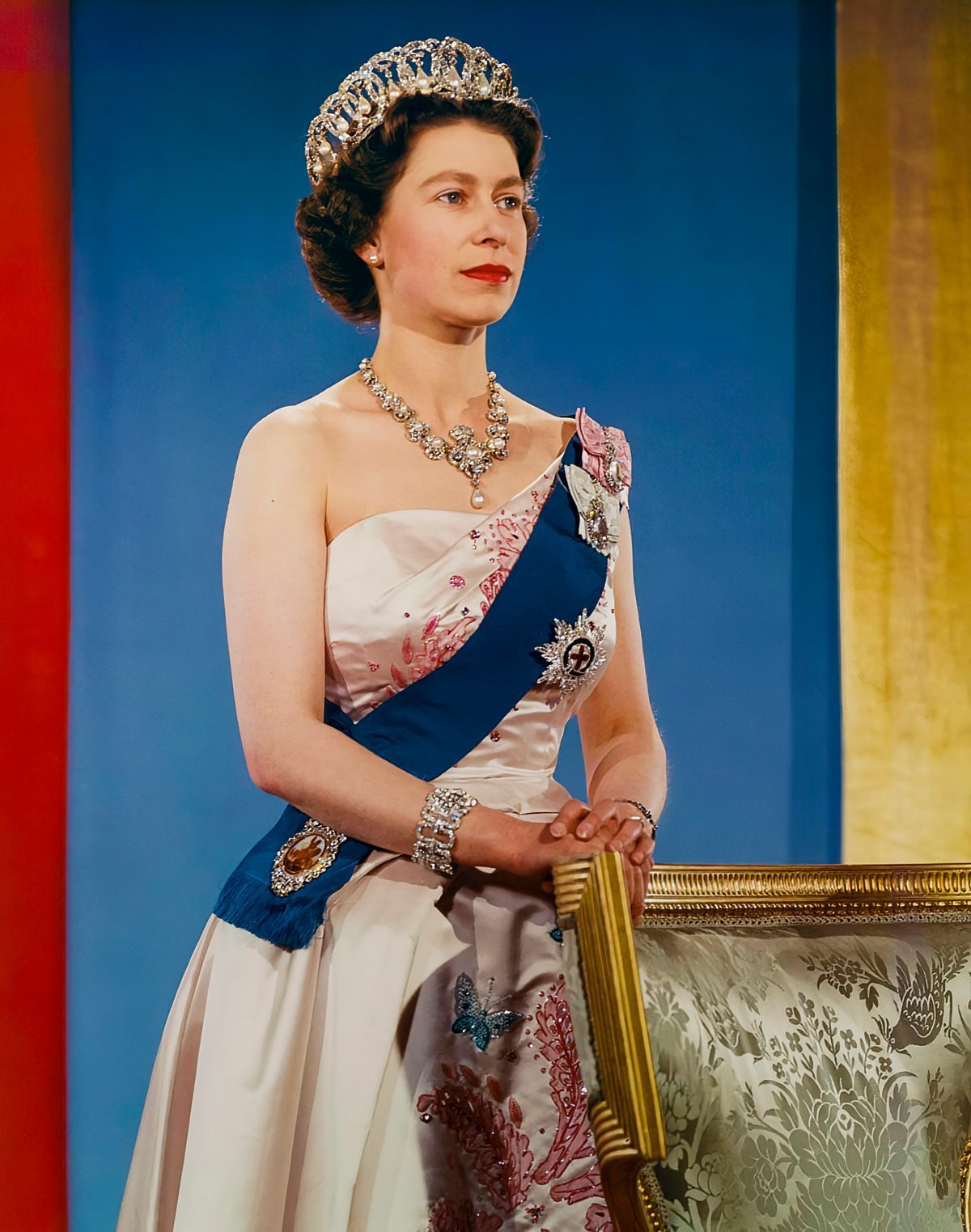
At the heart of the day, as eyes eventually glimpsed the images of the quiet ceremony, was the gown—a vintage masterpiece originally crafted by Norman Hartnell. Queen Elizabeth had worn it to the premiere of 'Lawrence of Arabia' in 1962. Now, it served as a bridge between generations, repurposed and subtly altered to fit Beatrice’s elegant style.
The decision for Beatrice to wear this particular gown spoke volumes of her relationship with her grandmother. It was Her Majesty who lovingly loaned the dress, a token of affection that offered more than sartorial elegance — it imparted countless memories of another era. The gown, initially designed with a sumptuous ivory taffeta and scintillating diamante embellishment, was altered for modernity yet retained the essence of the 1960s. The addition of organza puff sleeves, expertly woven into the original design, was done under the meticulous eye of Angela Kelly and Stewart Parvin, personal couturiers to the Queen.
Through the Lens of History
The gown's story is far more than its seams and darts; it speaks of the enduring legacy of British fashion and the unbroken thread of royal tradition. Norman Hartnell was the royal family's go-to designer for decades, famed for the Queen’s wedding dress and coronation gown. Princess Beatrice wearing his creation at the heart of Windsor was not just a nod to the past, but a heartfelt salute to his artistry and an era marked by its own trials and triumphs.
In essence, this gown carried with it shadows of the past and whispers of historic engagements that came to define an epoch. When Beatrice walked down the aisle, she did so accompanied by whispers of royal history, but also the quiet resilience that has marked the British monarchy through centuries. It was a symbolic gesture affirming that the royals, too, find comfort and continuity in the tangible memories of those who paved the path before them.
A Day to Remember
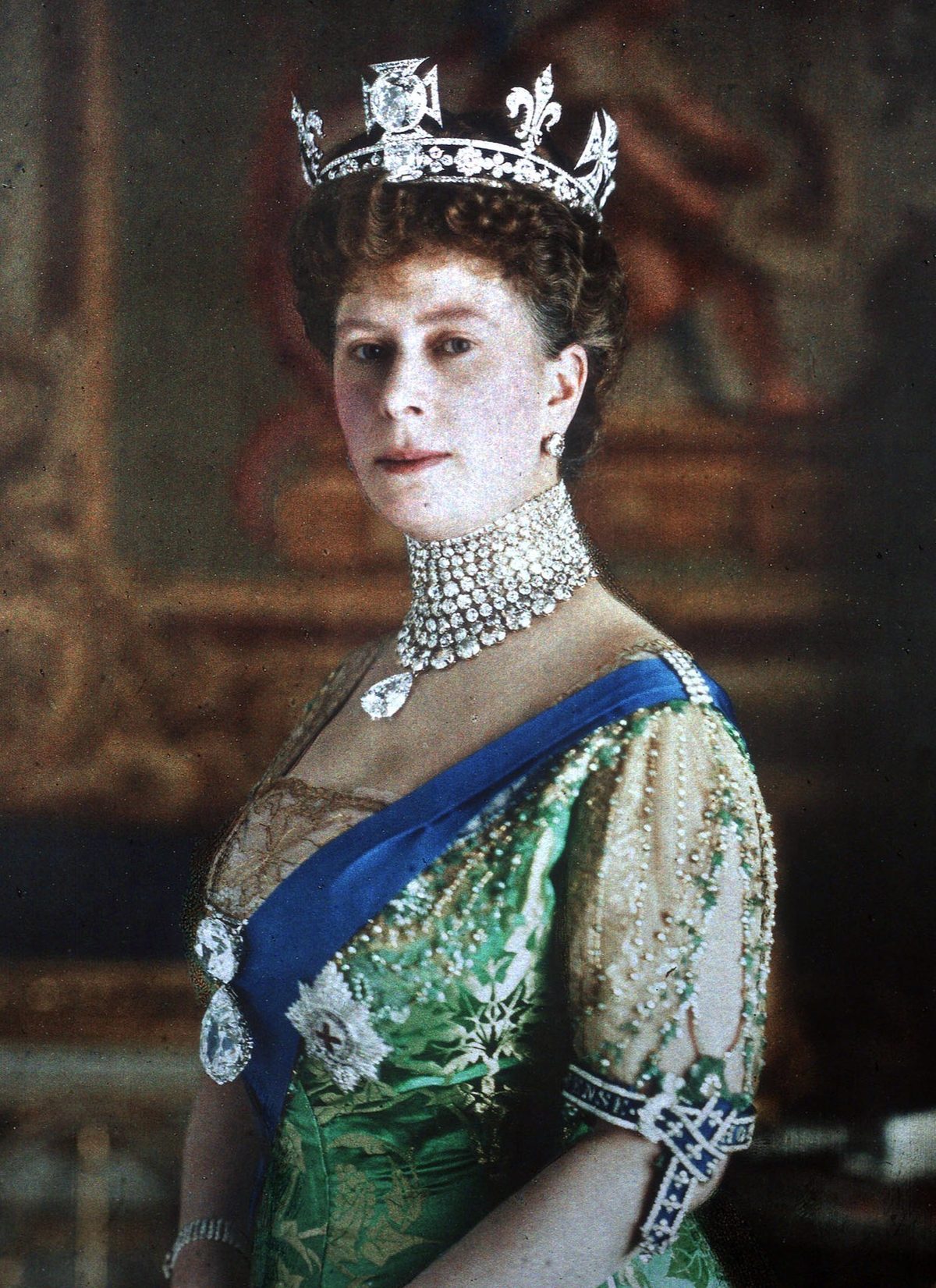
The wedding of Princess Beatrice, while intimate, did not go unnoticed. Royal followers around the world were pleasantly surprised by the news when it was eventually shared. The choice of Queen Mary’s Fringe Tiara—a jewel worn by the Queen on her own wedding day—added further to the enchanting connection of past and present, again underscoring the sentiment that even in changing times, some traditions remain sacred and unshaken.
In an era where grandeur is often sought after, the subdued elegance of Beatrice's day stood as a testament that sometimes the most meaningful moments are those that echo the past while quietly embracing the future. It was these subtle details—the choice of attire, the tiara, the quiet cues of affection from a grandmother to her granddaughter—that enriched the story of this royal milestone beyond its immediate simplicity.
Enduring Legacies
The royal family, custodians of cherished traditions yet champions of adaptation and evolution, showed through Princess Beatrice's wedding that resilience and continuity are at the heart of their enduring legacy. As the world watched from afar, it was reminded of the monarchy's ability to blend personal history with national heritage, to take familiar rituals and weave them into contemporary tapestries.
Princess Beatrice carried more than a regal gown on her wedding day; she carried a piece of history, a gift from her grandmother that encompassed decades of royal legacy. It was a moment where past and future converged, and the silent yet powerful symbolism of a grandmother’s love for her family radiated warmth through the solemnity of time-honored traditions.
Indeed, Princess Beatrice's transformation of a vintage gown into a modern-day treasure spoke not only of the sartorial continuity within royal circles but also prompted a reflection on how the British monarchy, dear to so many, continues to resonate. The queen's simple, heartfelt gesture of loaning the gown ignited a narrative of love, nostalgia, and continuity, binding generations in elegance and grace.
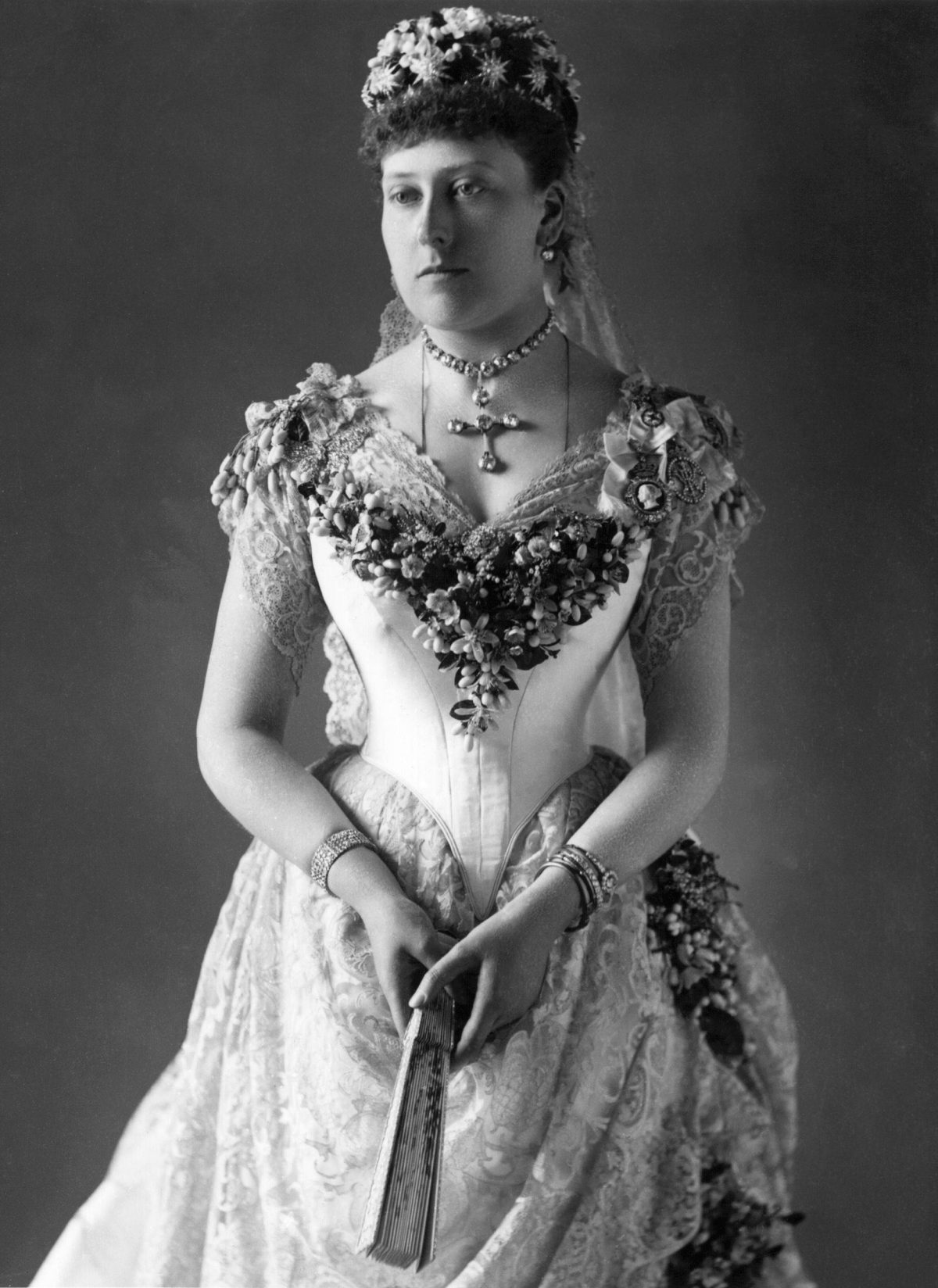
📷 Photo: Hughes and Mullins. Public domain via Wikimedia Commons.