In October 1966, the valley of the Welsh village of Aberfan was the scene of a tragic disaster that claimed the lives of 144 people, 116 of whom were children. It was a national tragedy that left the entire United Kingdom reeling. In the days that followed, while the grief was still raw and hearts across the country ached with sorrow, Queen Elizabeth II made a poignant visit that would become etched in the memory of the nation. Her encounter with a young miner’s son during this visit provided a rare, intimate glimpse of the Queen's deep empathy and enduring humanity—a moment that transcended protocol and solemn royal duties.
The Tragedy at Aberfan
The morning of October 21, 1966, dawned like any other in the coal mining village of Aberfan, a small community nestled in the Welsh valleys. At nine o'clock, a catastrophic collapse of a coal spoil tip unleashed a tidal wave of debris that engulfed Pantglas Junior School. The calamitous force of the slide buried the building and swept away the lives of many of its young students. Aberfan, once a quiet community, became the epicenter of a deeply felt national sorrow.
Nearly 40,000 cubic meters of debris had rushed down the mountainside without warning, transforming a place of learning and laughter into a scene of devastating loss. In the days that followed, as rescue workers and volunteers from nearby villages scrambled to recover survivors, the enormity of the tragedy settled over the United Kingdom like a dense fog of grief.
The Queen’s Visit
Queen Elizabeth II, the paragon of duty and poise, was known for her personal composure and an inherent ability to console her subjects simply through her presence. Yet, the weight of this disaster was such that it prompted a delayed royal visit. It was not until eight days after the landslide that Queen Elizabeth II, accompanied by Prince Philip, made her somber journey to Aberfan—a decision intertwined with numerous factors, none more illustrative than the immense complexity of royal engagements and the Queen herself, who felt so deeply for the community’s pain that she was said to have expressed regret for not visiting sooner.
Upon arrival, the Queen and Prince Philip walked amongst the mourners, a sea of bowed heads that whispered prayers and harbored heartache. The Queen, clad in somber attire, moved through the village streets accompanied by the hushed silence of grief. In these moments, the regal bearing she was noted for was met with the warmth and heartfelt condolences that she extended to each person she encountered.
A Moment of Silent Connection
Among the poignant moments of her visit, one stands out indelibly—a quiet encounter on a humble wooden bench. Here, the Queen sat beside a young boy whose father worked deep within the mines. The child, like so many others, was navigating the turbulent seas of loss, perhaps unable to fully comprehend the enormity of life now changed.
As they sat together, the Queen took the child’s hand in hers. There were no words exchanged between them, only the profound solace of shared silence—a silence that united them beyond speech, capturing the universal language of loss and comfort. Surrounded by the presence of aides, reporters, and a mourning community, these minutes of stillness reverberated deeper than any spoken condolence.
For those who witnessed this moment, it was a powerful testament to the Queen's ability to listen with her heart, to sit with, and not shy away from, the rawness of human emotion. A close aide later remarked that the inscrutable mask of calm she often wore had slipped, allowing rare tears to flow in the privacy of her own thoughts—a poignant reflection of her deep empathetic nature.
The Queen's Enduring Legacy of Compassion
The Queen’s engagement with the people of Aberfan illustrated a vital aspect of her monarchy: the ability to resonate deeply with her subjects in their darkest times. Her visit cushioned the blow of tragedy, offering a hand not just as a sovereign but as a fellow human moved by the suffering of others. This is a facet of her reign often celebrated—her unwavering commitment to community and to being present in the moments that mattered most.
Despite criticism of her initial delay, her presence in Aberfan and the genuine empathy she shared with those grieving did much to cement a lasting bond with the public. Indeed, the people of Aberfan, and many across the nation, welcomed her not only as a Queen but as a compassionate ally in their loss.
Reflections for Today
The spirit embodied by Queen Elizabeth II in Aberfan serves as a lasting reminder of the power of shared humanity and empathy. It heralds the age-old wisdom that presence often speaks volumes where words fail. In today’s world, characterized by rapid communication and instantaneous reactions, such moments of quiet yet profound connection seem more essential than ever.
The enduring legacy of that day in 1966 is woven into the fabric of Queen Elizabeth II's reign—a tapestry rich with instances of quiet leadership and compassionate presence. This story of a monarch sitting silently with a miner’s son offers lessons even for a contemporary society, reminding us of the profound impact of empathy and the timeless role of the monarchy in nurturing and uplifting its people, even in the darkest of times.
As we look to her remarkable legacy and the ongoing role of the British monarchy, it becomes evident that these small, intimate moments of connection can indeed shape the lasting love between a monarch and her people—wherever they may be, however deep their sorrow.
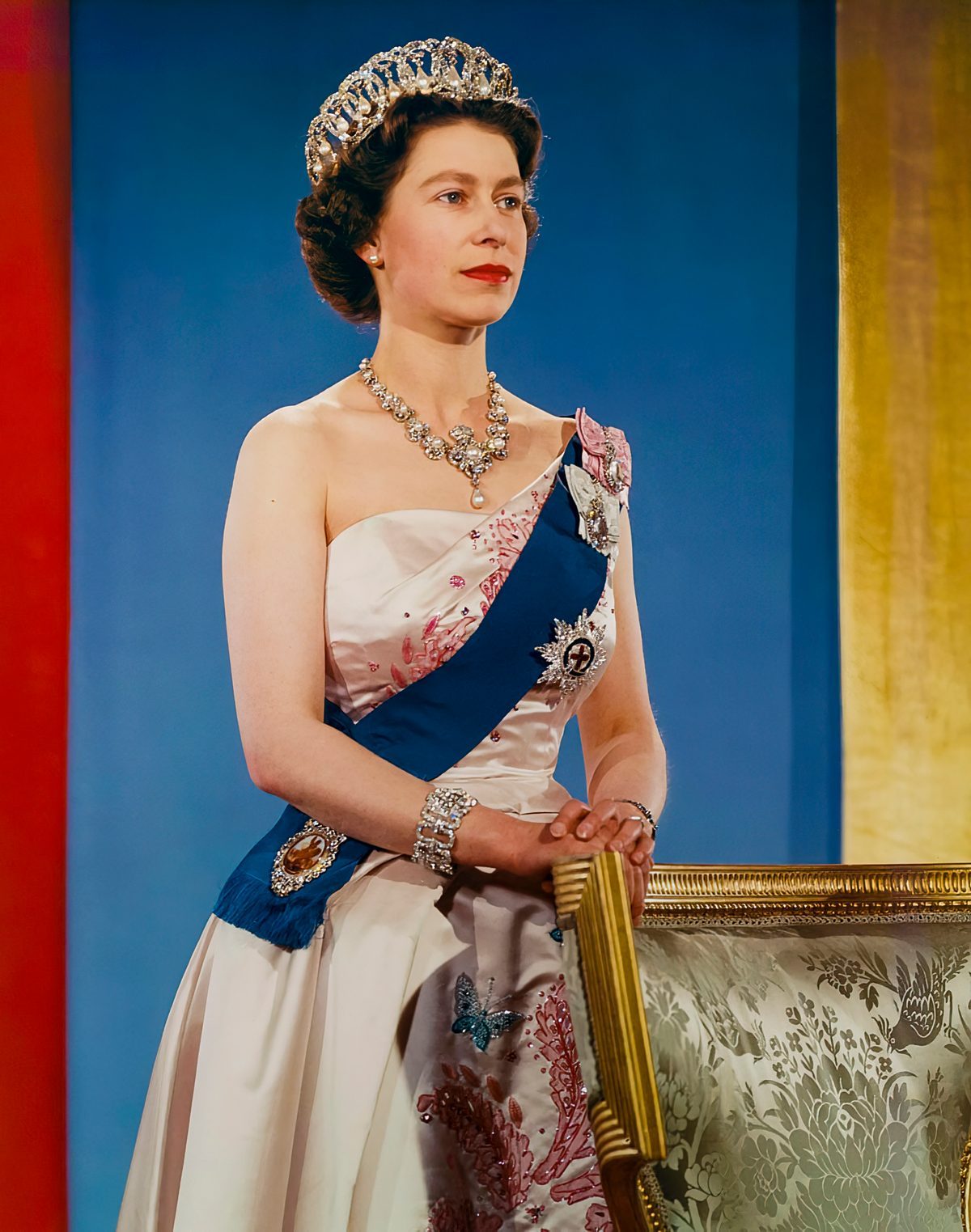
📷 Photo: Donald McKague. Public domain via Wikimedia Commons.