In a world transfixed by royal tradition and the steady pulse of ceremonial protocol, 1987 offered the world a glimpse of something extraordinary—a quiet rebellion by the 'People's Princess.' Princess Diana, renowned for her grace, compassion, and fashion-forward vision, stepped into an AIDS ward barehanded, challenging not just royal norms but societal fears. That single moment, seemingly simple yet profoundly courageous, echoed the strong impact one individual's compassion can wield in transforming perceptions and attitudes.
Breaking Tradition: The Symbol of the Glove
Gloves. A staple in the royal wardrobe, often worn not just for fashion but for etiquette and hygiene—a barrier between aristocratic hands and the masses they greet. Emerging from an era that celebrated chicness and protocol, the glove signified both safety and status. Within royal circles, it was simply understood. Yet, in 1987, Princess Diana dared to defy these conventions in a way that would cement her legacy of empathy and pave new paths for royal engagement.
As the AIDS crisis gripped the world, misinformation spread almost as quickly as the virus itself. Fear and stigma cast long shadows over those afflicted. Medical professionals adopted numerous protective measures, including gloves, when interacting with patients. This environment of trepidation and protection starkly contrasted with Diana’s heartfelt handshakes—a symbol of solidarity that transcended medical and royal boundaries.
The Royal Aura vs. Public Panic
The late 1980s were a time of unease and anxiety regarding HIV/AIDS. Public knowledge of the disease remained shallow, with prevailing myths isolating those who needed connection the most. Amid this backdrop, Diana’s visit to Middlesex Hospital was not just dutiful; it was deliberate. She walked into a space fraught with fear and misunderstanding, offering not condolences from a distance but warmth through personal touch—a gesture that spoke volumes even when words sufficed little.
For a public accustomed to royals being untouchable icons, this breach of protocol sent ripples through societies far beyond the hospital’s walls. In that sanctuary for the sick, Diana reached beyond protocol and prejudice to remind the world of shared humanity. The ungloved handshake became a catalyst for change, encouraging empathy where there once was fear.
A Humanitarian Spirit Rooted in Compassion
Though Diana’s choice to forego gloves on that notable day in 1987 might have seemed minor, it was, in reality, a deeply considered decision. The Princess of Wales was not unfamiliar with hardship and vulnerabilities, having used her public platform countless times to shed light on overlooked causes. At the heart of her humanitarian work was an intrinsic belief in human dignity—one that knew no class or condition.
The moment Diana’s bare hand touched those in the AIDS ward, she communicated an unspoken message of acceptance. Her brand of charisma was one that transcended appearances and the confines of royal duty to foster genuine warmth and goodwill with those society often shunned. That her handshake could challenge and change public perception stands testament to her power to wield empathy as a tool for public education and advocacy.
Fashion with a Purpose
Diana’s influence extended beyond what she wore or how she wore it. Her every fashionable choice was magnified, dissected, and often praised. Yet, her decision to leave gloves aside during such a pivotal encounter underscored her belief in fashion as a conduit for messages far richer than aesthetic appeal. It was her understanding of symbolism and its power that elevated her act to one of broader sociopolitical significance.
These iconic moments of sartorial diplomacy reveal Diana’s role in redefining what it meant to be a contemporary royal. She demonstrated that style and substance could coexist, that one could be regal while still being equitably humane. Public service, as Diana exemplified, included a duty to uplift and establish connections, no matter the public fears or logistical expectations involved.
The Lasting Legacy of Empathy
Time has since passed; the world has evolved in its understanding and treatment of HIV/AIDS. Yet, the mark Diana left through her altruistic gestures remains indelibly fixed in the annals of history. Her ability to navigate the intricate web of royal obligations while fiercely advocating for the dispossessed continues to inspire global compassion and awareness.
Diana’s choice to abandon the comfort of gloves resonated not just in the halls of palaces but in healthcare circles and among everyday families grappling with illness and stigma. Her legacy continues to touch those being educated about the disease, as well as those campaigning for a more accepting society. In a simple act, the warmth of her gesture still waves through generations, encouraging openness where it seemed unfathomable.
A Timeless Reflection
While Diana’s physical presence may no longer dominate charity events and royal appointments, her spirit endures, reminding us of the ageless capacity for empathy to break barriers. Her ungloved handshake in a place many would have avoided encapsulates the resilience of humanity in its purest form—a testament to the potential for transformation when grace meets purpose.
In the broader narrative of royalty and its intersection with societal progress, Diana’s bare-handed act stands as a touchpoint for future generations within the monarchy and beyond. It serves as an abiding reminder that true influence is carved not just from titles and regalia, but through actions that reveal the heart and its commitment to the world’s betterment.
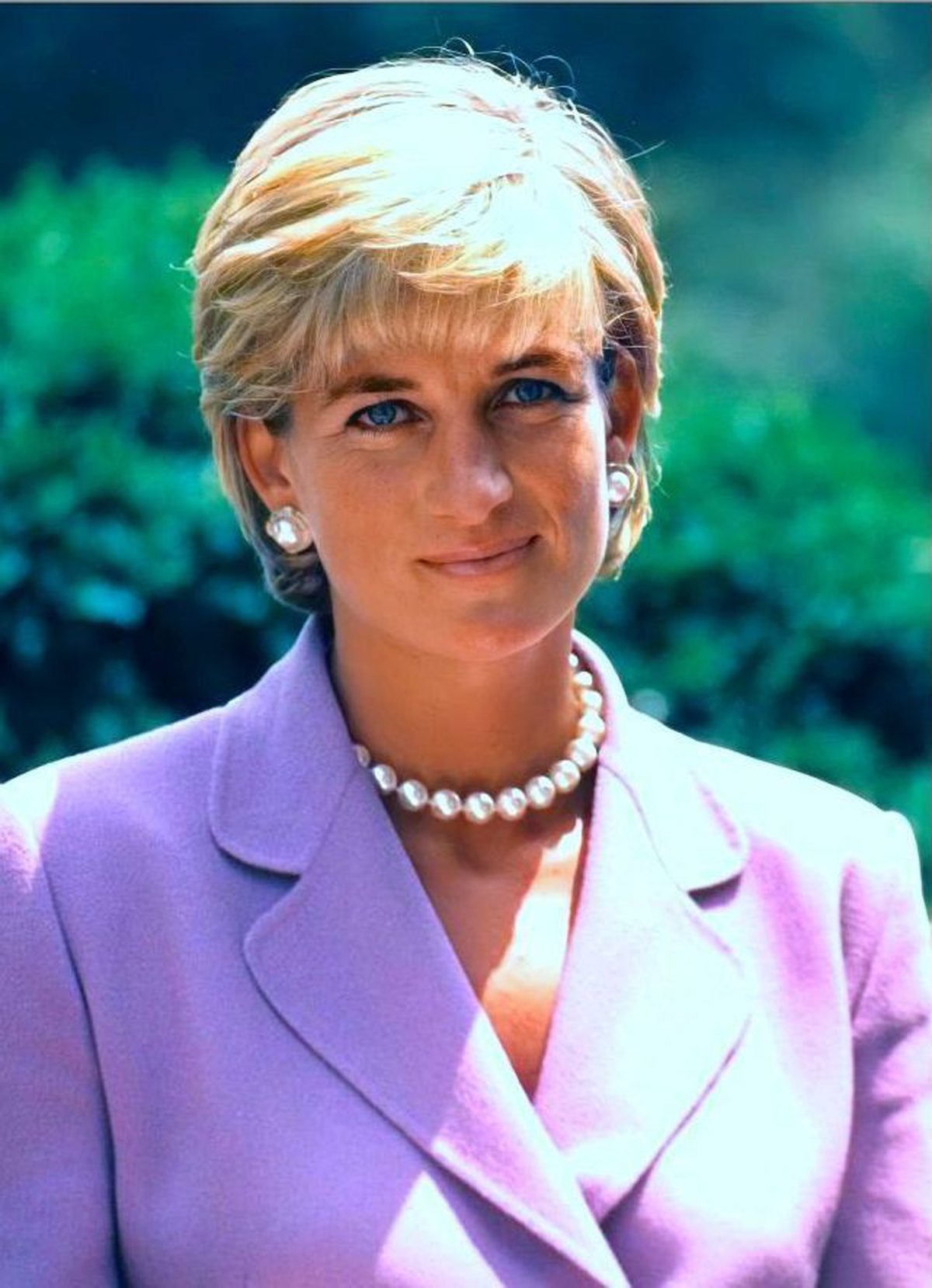
📷 Photo: John Mathew Smith & www.celebrity-photos.com from Laurel Maryland, USA. CC BY-SA 2.0 via Wikimedia Commons.