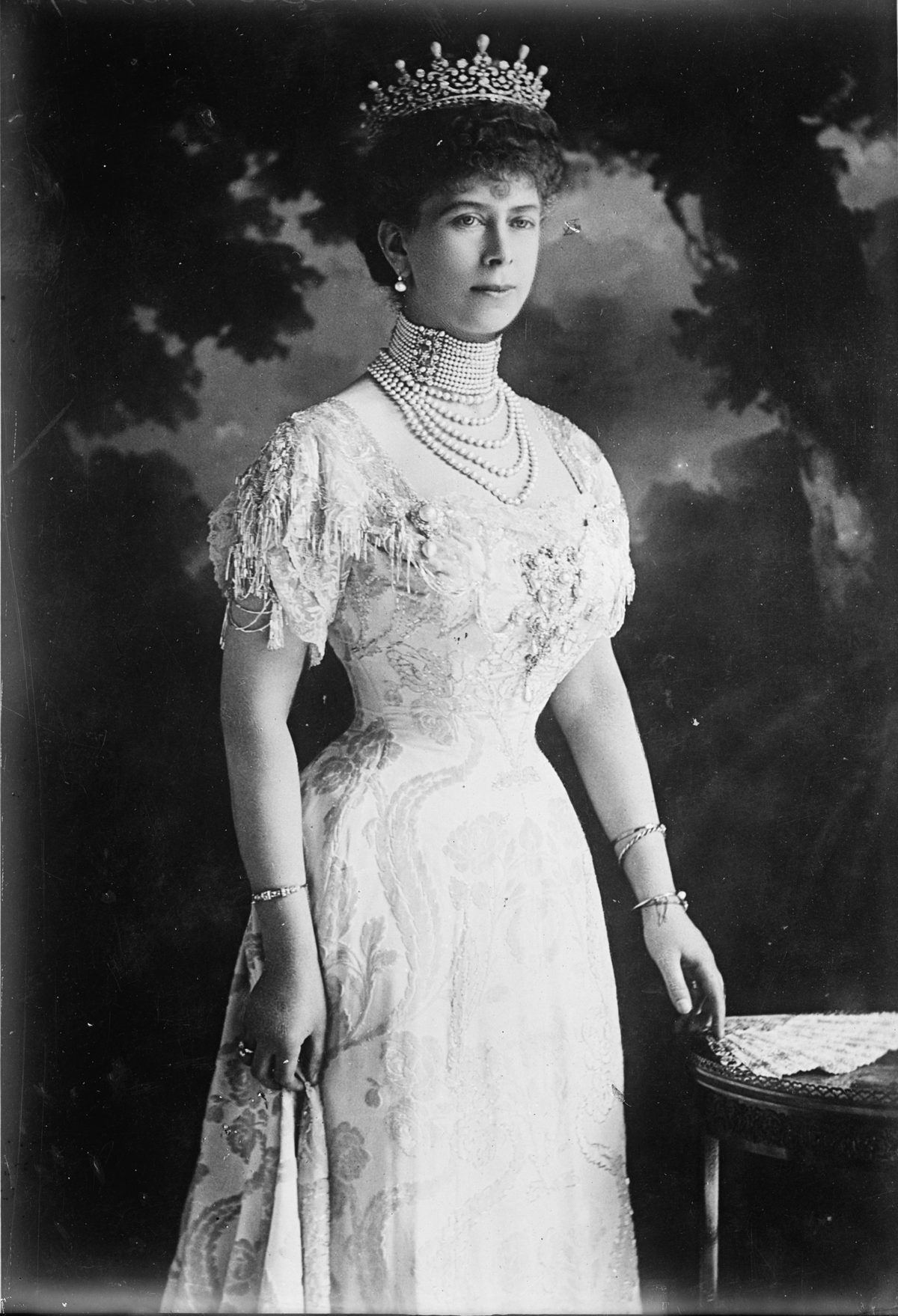
The Gold Gown Queen Mary Wore to Defy an Empire's Despair
In December 1911, beneath the brilliant Indian sun, an extraordinary event unfolded that showcased the splendor and ceremonial prowess of the British monarchy. At the Delhi Durbar, an assembly literally meaning "King's Court," Queen Mary captivated an audience of 100,000 with a dazzling sartorial statement. Her golden gown, encrusted with diamonds and paired with the opulent Delhi Durbar parure, wasn't simply a dress—it was a declaration. As the crowd fell silent, the magnitude of her regal presence was a luminous reflection of an empire that, despite its complexities, sought to project strength and unity.
The Making of a Monarch's Moment
The Delhi Durbar of 1911 was designed to legitimize the rule of King George V and Queen Mary over an empire awash with diverse cultures and aspirations. The grandeur of the event was unlike any seen before, as it celebrated their coronation as Emperor and Empress of India. Amidst the intricate ceremonies and stately processions, Queen Mary's appearance was meticulously contrived to convey imperial majesty and continuity—a powerful blend of tradition and modernity characterized by her stunning attire.
The creation of Queen Mary's gown was an enterprise steeped in opulence and meaning. Crafted from silk tissue woven with gold threads, the gown shimmered like sunlight captured in fabric. The decision to incorporate such magnificence was not merely about visual impact; it symbolized wealth, power, and the golden age of an empire that spanned continents. This choice of gold was calculated to reflect a sense of radiance and abundance, apt for a monarch presiding over vast, rich territories.
The Jewels That Spoke Volumes
Complementing her gilded gown, Queen Mary's jewels further punctuated the intended majesty she exuded. The specially commissioned Delhi Durbar parure was a suite of emeralds and diamonds that added another layer of splendor to her regalia. Each jewel was selected not only for its beauty but as a deliberate message of imperial continuity and strength.
The centerpiece of this parure, a breathtaking necklace crafted by the masterful house of Garrard, featured stunning emeralds set amidst a sea of resplendent diamonds. Each gemstone was a testament to Britain's dominion and prosperity, chosen from across the empire, carrying with them histories of power and conquest. This was a necklace forged as much from political necessity as from luxury. Queen Mary's jewels on that day did more than glitter; they spoke in a universal language of leadership and dominion.
She also wore a magnificent tiara crafted from platinum, emeralds, and diamonds, its intricate design mirroring the grandeur and intricacy of the empire she represented. The tiara, towering and majestic, crowned a moment of not just personal triumph, but a strategic imperial demonstration.
The Queen Behind the Gold
Beyond the dazzle and display, who was the woman wearing this declaration of elegance? Queen Mary was no stranger to the demands of royal life. Born Victoria Mary of Teck, she possessed a deep sense of duty and an unwavering composure that defined her reign. Her style was often understated yet innately regal, mirroring her commitment to her role and her country.
Her decision to wear such a grand ensemble at the Delhi Durbar was infused with her understanding of the power of visual symbolism and her belief in the monarchy's enduring role. Queen Mary understood that in times of political shifts and cultural exchanges, her attire could be a non-verbal negotiation of power, extension of hospitality, and respect. To the massive audience gathered under the Indian skies, her presence conveyed a message of permanence and unity.
Reflections of the Past in Today
The 1911 Delhi Durbar remains one of the last grand demonstrations of imperial might before the world changed irreversibly through the upheavals of subsequent decades. Queen Mary's golden tableau is remembered not merely as a spectacle of grandeur, but as a moment when fashion became intertwined with the narrative of history.
Today, as we reflect on such moments of regal history, we see echoes of an era where British monarchy leveraged symbolism to maintain cohesion in a diverse empire. The allure of such legacies lies in the timeless blend of tradition and transformation, where the past informs the present. Queen Mary's sartorial splendor at the Delhi Durbar is a testament to the royal family's enduring passion for ceremony and continuity, a legacy carried forward by subsequent generations.
While the world has evolved since Queen Mary's day, her ability to harness the power of regalia remains a poignant reminder that royals, even in modern times, continue to wield influence not only through policy but through presence. Programs, causes, and communications continue to echo her sense of duty and embrace continuity in a rapidly changing world. The crown remains a potent symbol of stability, and through every ceremonial appearance, Her Majesty sought to champion a legacy of unity that resonates as much today as it did over a century ago.
The memory of Queen Mary’s golden gown and her masterful display at Delhi is more than a historical footnote; it acts as a beacon of monarchical identity, an inspiration for those who look towards a heritage filled with pomp, circumstance, and profound meaning.
📷 Photo: Harris & Ewing, photographer. Public domain via Wikimedia Commons.