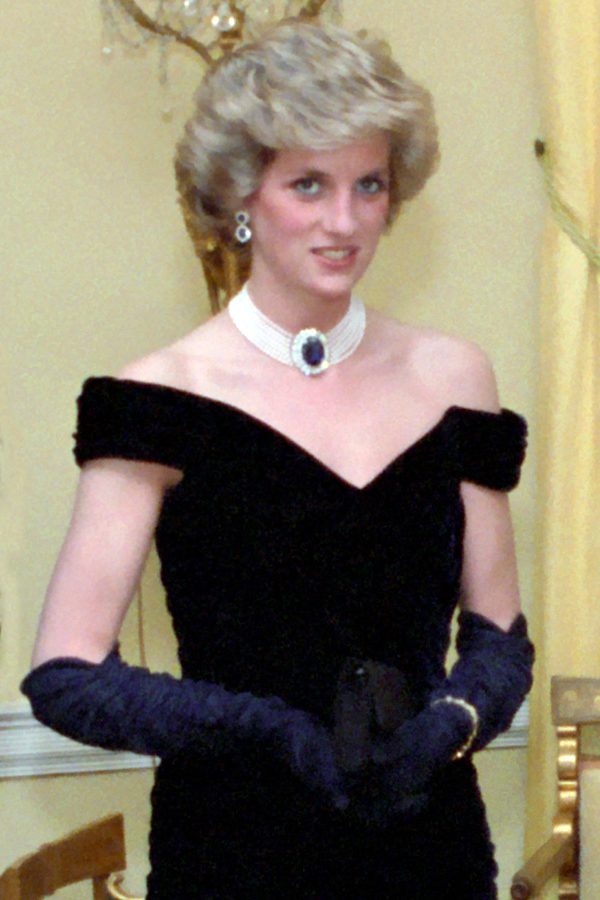
Standing beneath the shimmering lights of Christie's New York, Princess Diana exuded grace and intention, a vision in midnight blue velvet. The gown, a creation by Victor Edelstein, was more than mere fabric and fashion—it was a statement, lovingly combined with a knowing smile and a look filled with determination. It was June 1997, and the Princess of Wales was poised not only to make an impact on the world of charity but to cast off remnants of a chapter she'd outgrown. This auction—often misunderstood as a farewell to royal glitz—was so much more. It was a signal, a calculated message to the world of her reinvention, captured perfectly by the cloth that adorned her.
The Power of the Gown
The gown in question, recognizable by its arresting midnight blue tone and sumptuous velvet texture, stood as a perfect representation of Diana’s evolution from a shy royal bride to a woman of influence, power, and poise. Its off-the-shoulder design was daring, a whisper of defiance in the face of the restrictive customs that had confined her—both sartorially and personally. But more than fashion, this gown was emblematic of change. Every elegant swish of its skirt seemed to sing with freedom.
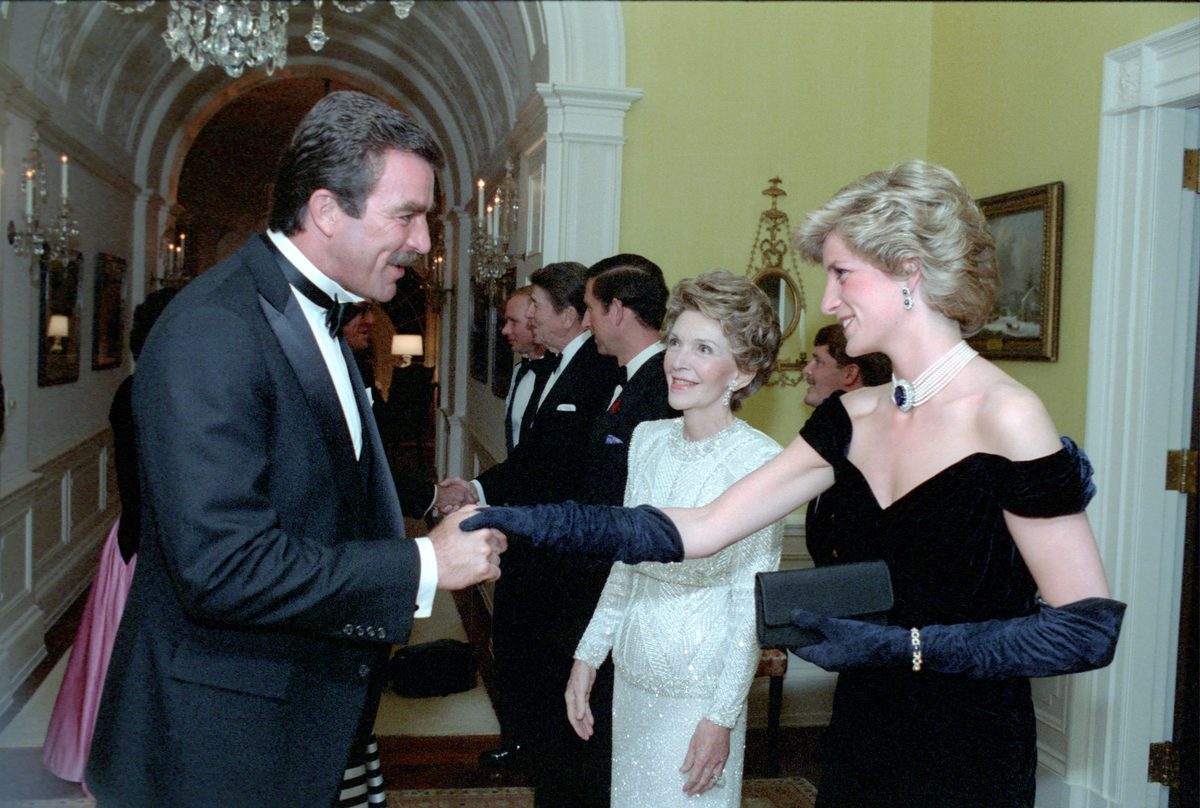
Designed by Edelstein, one of Diana's favored designers, the gown had already stepped into history when she wore it for President Reagan’s White House gala in November 1985, a night immortalized as the "Diana Dance" with John Travolta. It was a royal moment of glamour and spontaneity, one that captured the public imagination and reinforced Diana’s place not only within British royalty but as a global fashion icon and beloved human being.
The Auction: A Royal Revelation
The Christie's auction in June 1997 was a spectacle of philanthropy mixed with a strategic step towards Diana’s self-determined future. A total of seventy-nine dresses, each bearing a story, were presented to the highest bidder. It was a parade of satin and silk, sequins and memories, raising over three million dollars for causes close to Diana's heart, including cancer and AIDS charities. Yet, for those present with the keenest of insight, it was clear this auction was more than a generous gesture. It was a royal declaration of autonomy.
Each dress was meticulously chosen for its personal resonance and public significance. Together, they charted a journey from the formal constraints of royal protocol to the liberating afterglow of personal choice. Diana was using fashion not simply as a means of self-expression, but as a vehicle for transformation, both of her image and her influence.
Diana: The People's Princess
Diana’s sartorial choices were unrivaled in their capacity to connect with the public. Her clothing transcended mere style notes, functioning instead as tactile representations of her humanity and warmth. She was dubbed "The People’s Princess," not on account of royal lineage, but due to her genuine compassion and relatability that were evident in every aspect of her life, from her public engagements to her personal interactions.
The auction came shortly after her high-profile separation from Prince Charles, a time when she was refining her public persona amidst tumultuous personal circumstances. What emerged was an empowered Diana, one whose heart and intentions were clear. Her choice to auction these gowns, many of which were symbols of past royal obligations, was a move towards a future less encumbered by expectation.
Fashion as Freedom
In the context of the royal family, fashion has long been a tool of diplomacy and public appeal. The Windsors had perfected the art of sartorial messages—each piece speaking volumes without uttering a word. Diana understood this implicit language better than most, turning her wardrobe into a weapon of influence.
Glimmers of rebellion and freedom shone through in her choices—whether it was resisting the wear of gloves to aid connections or opting for strikingly bold and provocatively intricate ensembles like the "revenge dress." The Christie's auction was the culmination of this silent narrative—a curation of moments, moods, and traits she shared with the world, now transformed into an inheritance of positive change.
The Legacy of the Auction
As the final bids were placed and the gavel fell at Christie's, what could have been an epilogue to the chapter of royal obligations blossomed into a prologue of personal independence. Diana's choice resonated far beyond the fabric and seams, casting ripples that contributed to her lasting legacy.
The idea of saying goodbye, for Diana, was never about deserting an identity or past. Instead, it was a deliberate act of stepping from one stage of life into another, with elegance and assurance. She deftly crafted her own narrative, reshaping royal duties into benevolence and personal empowerment.
Today, as we remember Diana's influence on fashion and charity, the monarchy remains an institution that merges the weight of tradition with the influx of modern relevance. Diana's actions in June 1997 serve as a reminder of the potential for personal reinvention and the profound impact of compassion—themes that resonate as strongly now as they did then. The monarchy, buoyed by figures like Princess Diana, continues to be a beacon of cultural significance and human connection.
📷 Photo: White House photographer. Public domain via Wikimedia Commons.