The Moment the World Went Quiet
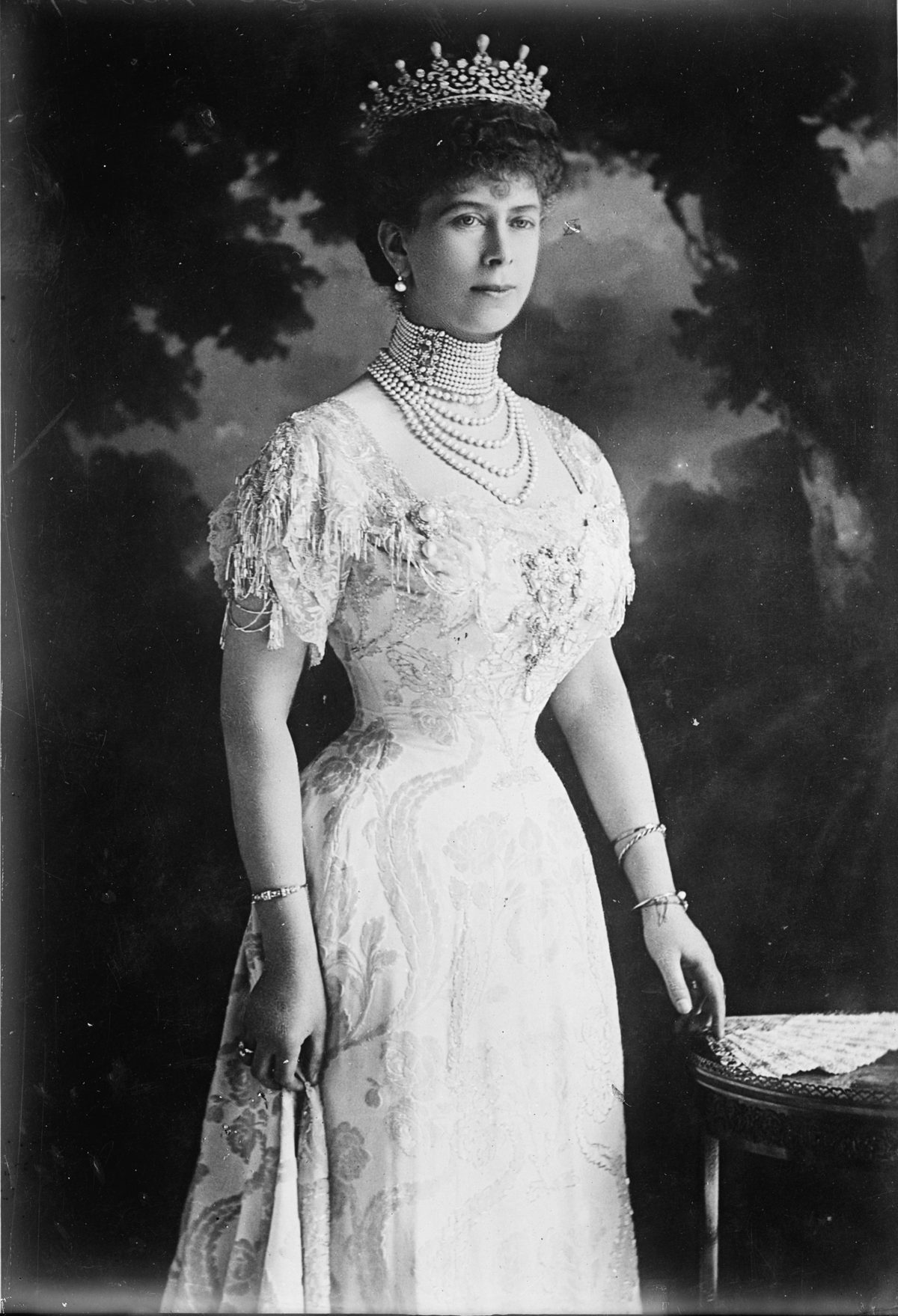
Amid a world grappling with unspeakable loss and unprecedented change, the morning of November 11, 1918, broke with a sense of anticipation. The armistice had been signed. The Great War—a catastrophic conflict that had devastated Europe and reshaped the world—had finally drawn to a close. On this historic day, Queen Mary stood by a window in Buckingham Palace, draped not in the expected colors of victory but in a deep sapphire blue gown edged with silver. It was a choice that defied convention while etching a poignant message of humble reflection into history. As London erupted in jubilant celebration below, the Queen embodied a different kind of triumph—one of quiet dignity and profound remembrance.
Dressing for a Moment Beyond Celebration
Queen Mary, consort to King George V, was a woman of exceptional taste and formidable presence. Known for her keen appreciation of the arts and a wardrobe that reflected both the grandeur and gravitas of the British monarchy, every aspect of her public persona was crafted to reflect the values of the crown. For Armistice Day, her choice of attire was meticulously planned. The deep sapphire blue was not only striking but loaded with meaning. Blue, a color long associated with wisdom and loyalty, underscored her solidarity with the nation.
The gown, embroidered with silver thread, was equally symbolic. Rather than the expected celebratory gold, the shimmering silver accents spoke of the moon's glimmer—offering a feeling of introspection and memorial reflection. Those few who were deemed worthy of an audience with the Queen were struck by this sartorial tribute; each intricate stitch serving as a gentle nod to the countless lives that had been irrevocably changed by the war. It was an implicit acknowledgment that, although the war had ended, for many its repercussions would continue to ripple through their lives.
Inside the Royal Circle: A Court in Wartime
In the royal court during WWI, the contrast between the opulence of past frivolities and the newfound sobriety of wartime was stark. Queen Mary was the epitome of this transformation. Over the course of the war, she and King George V took an active role in supporting the British war effort. They made numerous visits to hospitals, tended to the wounded, and were unwavering fixtures at public events that provided solace and encouragement to the people.
Despite her status, Queen Mary had shared in the turmoil and turbulence that the war brought. Her brother-in-law, Prince Maurice of Battenberg, had been killed in action in 1914, and as with so many other families, the war had reached into her personal life. Thus, her choice of dress on Armistice Day 1918 was also a reflection of her own grief—a visceral, personal expression of what the war had taken from her.
Public Reaction and Royal Influence
Despite the widespread revelry that ensued across the nation, Queen Mary’s attire did not go unnoticed or unappreciated. Her dignified demeanor and somber gown set the tone for many services of remembrance that would follow. She reminded the nation that while the end of the war was cause for celebration, the lands were still filled with the echoes of loss and the whispering prayers of mourning families.
The British monarchy, with its immense cultural sway, became a beacon of resilience and hope. Queen Mary's ensemble was later remembered in numerous retrospectives on her life, illustrating her as a figure who could distill the nation's complex emotions into elegant simplicity. Her quiet actions and thoughtful choices provided an emotional anchor for a country in recovery—a role that the monarchy continues to fulfill even today in times of national reflection and mourning.
The Legacy of a Gown
Queen Mary's sapphire gown from that cold November day ultimately became more than just a piece of clothing. It stood as a symbol of empathy and a testament to her deep commitment to the nation. A century later, her choices still resonate, providing a blueprint for how the royal family communicates its values and beliefs through the ages. The gown, much like Queen Mary herself, is remembered for its depth, its grace, and its quiet strength.
For the modern royal family, the lessons drawn from Queen Mary's legacy remain pertinent. In a world that can feel just as fractured and turbulent as it was a century ago, the royal family continues to embody the essential values of stability, continuity, and compassion. Through carefully considered gestures and appearances, the monarchy reaffirms its connection to the people, reminding them of their shared history and their shared hopes for the future. As we commemorate those solemn milestones and reflect on the past, reinventing symbols of remembrance remain as important as they did on that momentous day in 1918.
📷 Photo: Harris & Ewing, photographer. Public domain via Wikimedia Commons.