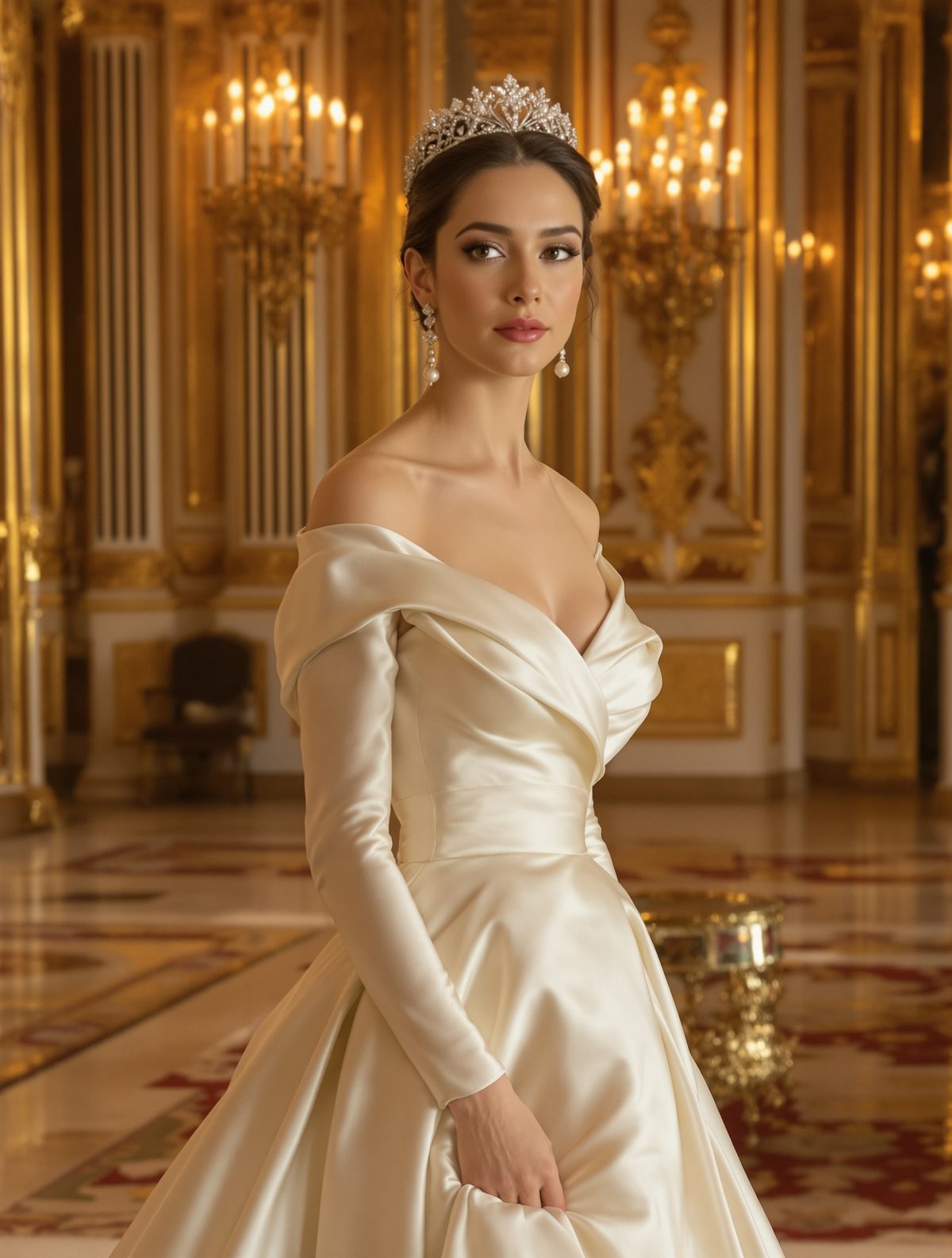
She had been told, politely and not so politely, that she was too brash for the palace. But when Sarah Ferguson stepped onto the royal enclosure at Ascot in the summer of 1986, she wore a gown that said everything she refused to say out loud. It was a masterclass in joyful defiance. With the sun gleaming off her striking emerald silk gown, the world witnessed her sartorial statement of fearless individuality. The cameras turned. The critics hushed. And a new chapter in royal fashion was written.
A Bold Entrance into Royal Life
The ascension into royal life is rarely simple, and for Sarah Ferguson, affectionately known as Fergie, the entrance was both dazzling and challenging. In an era dominated by delicate pastel hues and demure silhouettes, Sarah's arrival heralded a new excitement. With her fiery red hair, infectious laughter, and penchant for bold choices, she was a natural focal point. However, with the onus of the Windsor lineage and expectations to match, she faced a chorus of critiques labeling her as too spirited for the stoic refinement expected at Buckingham Palace.
Amid such critical whispers, her marriage to Prince Andrew in July 1986 marked her as the newest member of the House of Windsor. Freshly wed and full of determination, Sarah was met with an expectation to conform to the traditional royal image. Yet, she had her own voice—a voice she knew was worth listening to. It was on the serene grounds of Ascot that summer that Sarah decided to gently, but firmly, defy her detractors.
The Gown: A Testament to Individuality
Ascot, with its long-standing association of elegance and grandeur, was the perfect stage. The dress code was precise, and the fashion stakes high. Sarah embraced this platform not just to display fashion but to express herself. When she appeared in the splendid emerald silk gown, it wasn’t just a matter of style—it was a statement. The color choice, an unmistakable emerald green, resonated with a message of vitality and courage. The dress itself was a Victorian-inspired, floor-length ensemble complete with a cinched waist and an elegant, sweeping neckline that spoke of modern royalty rooted in tradition.
Adorning her head was a wide-brimmed hat, another bold choice that accentuated her fiery curls rather than hiding them away—a contrast to the more subdued millinery often associated with royal wear. The subtle sheen of the silk caught the summer light, capturing the attention of fashion critics and photographers alike. As fashion commentator after fashion commentator tried to capture the essence of her attire, the dominant sentiment was admiration for her unbending resolve to remain true to her identity.
The Culture and the Context
Understanding this moment requires a reflection on the broader context of royal fashion during the 1980s. The 1980s were a decade of change for the monarchy, with new fashion icons emerging from the firmament. The Princess of Wales had already captured the public's imagination with her flair for fashion and her own bold choices. In a way, Sarah was carving her own path within that same decade, at once complementing and juxtaposing with Diana’s style. At its heart, this was a time when the royals were finding new ways to connect with a public increasingly fascinated by celebrity culture intertwined with regal tradition.
Court life, while filled with events of pageantry, also required a strict adherence to traditional norms, especially for women who married into the family. But as Sarah embodied that day, the notion of modern royalty was expanding. It was becoming a blend of shared tradition with a sprinkle of individuality—a notion that Sarah embodied not only in personality but in dress.
A Lasting Impression
As the day drew to a close and the final race was run, Sarah’s debut at Ascot left an indelible mark. The conversation was no longer just about her perceived loudness but had shifted to her defiant style and the impact of her presence. In the years that followed, she continued to shape her royal narrative through her wardrobe, opting for vibrancy where others might have chosen muted tones. Her choice at Ascot remains iconic in the annals of royal fashion—a moment when the audacity of one woman to simply be herself translated into a larger dialogue.
As we reflect on the evolution of the monarchy, one can draw a thread from Sarah’s decision on that summer day to the current acceptance of individuality within the royal sphere. Fashion remains a potent symbol of personal expression, and the crown's modern custodians have increasingly embraced this approach. The gown that Sarah Ferguson wore extended an unspoken invitation to the world: to appreciate the monarchy not only for its traditions and history but also for its ability to grow and adapt through time. Today, that spirit continues to intrigue and inspire, as each member of the royal family leaves their unique imprint on the canvas of history.
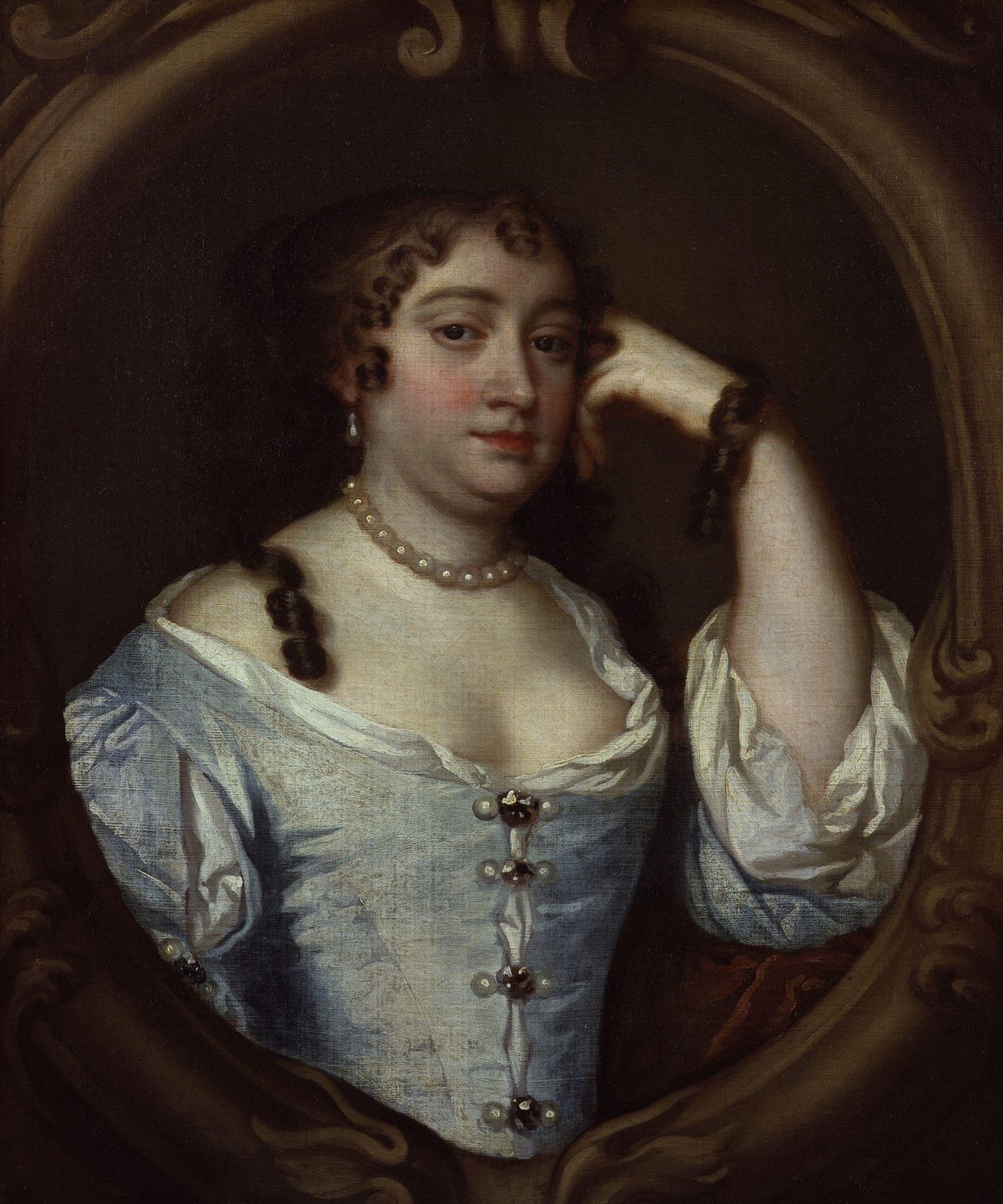
📷 Photo: After Peter Lely. Public domain via Wikimedia Commons.