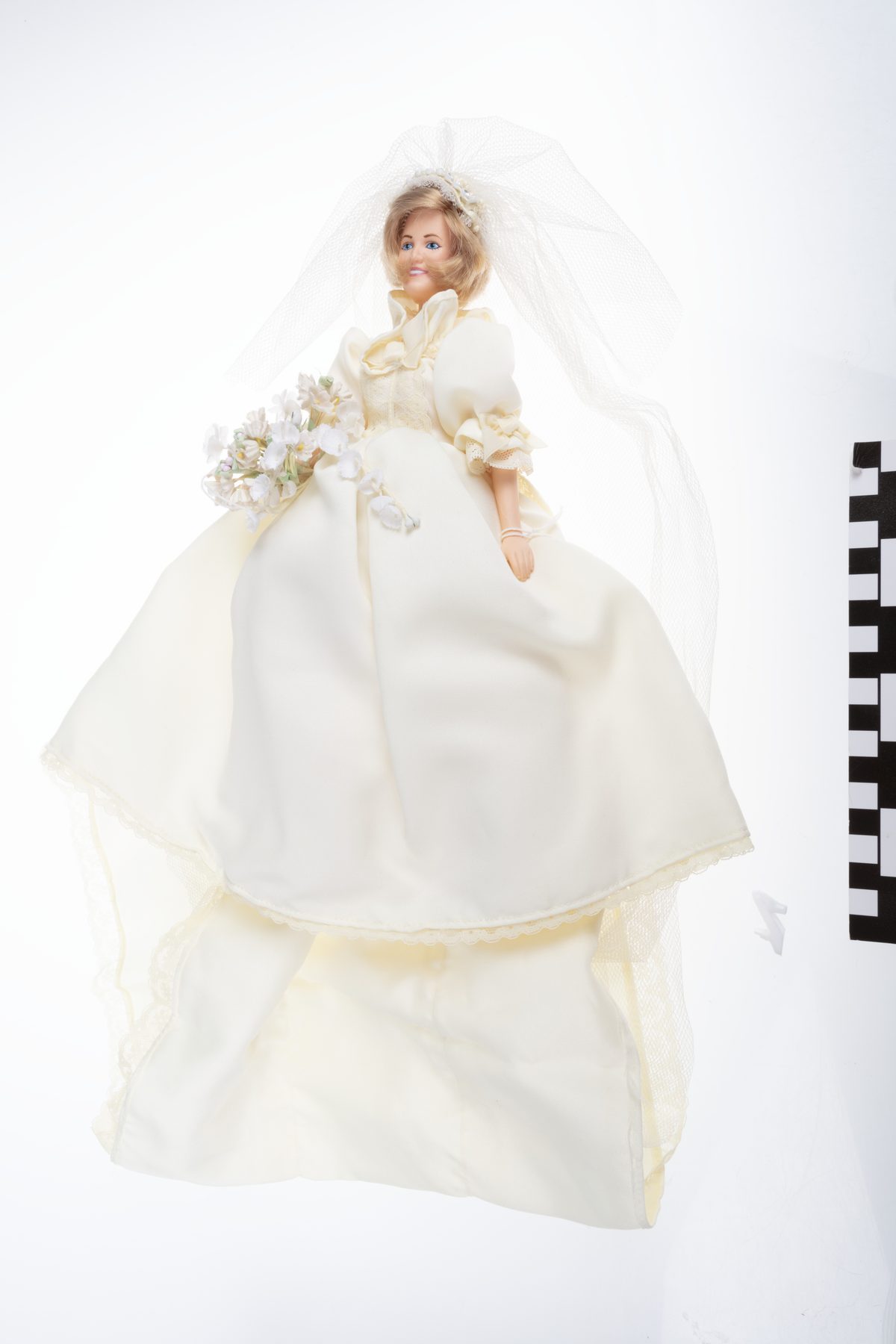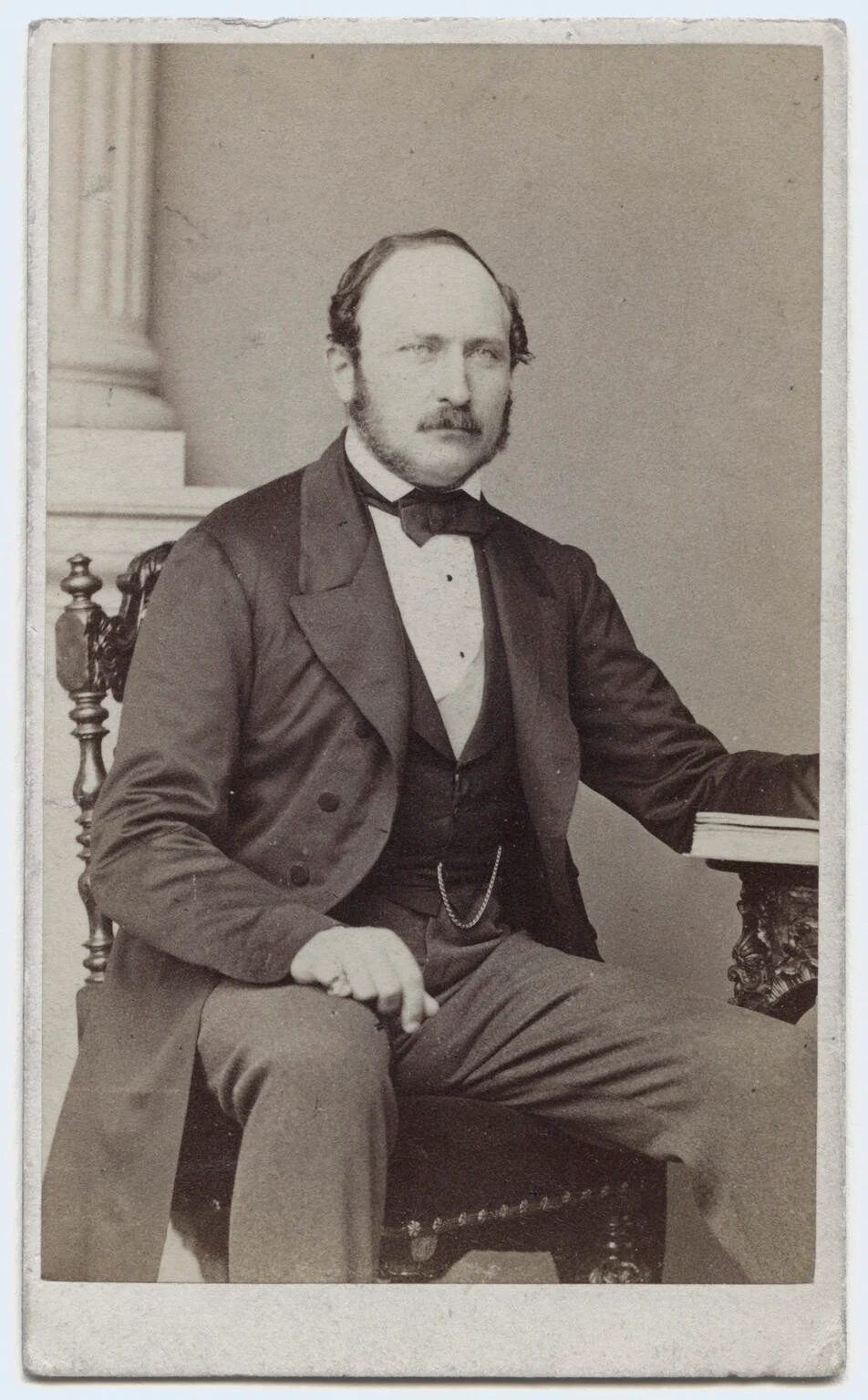
In the hushed salons of Paris, amidst the clink of glasses and whispered tête-à-têtes, entered a woman whose very name would forever be linked to elegance and nonconformity. When Wallis Simpson, the Duchess of Windsor, married the abdicated King Edward VIII in 1937, she not only captured the heart of a king but also the attention of the fashion world with a gown that would etch its hue in history — 'Wallis blue.' In an era marked by tradition and decorum, she donned a garment of defiance. It was a moment not just of personal triumph but one that reverberated through the annals of fashion history. For, dressed in Mainbocher, Wallis would leave her mark not just on Edward’s legacy, but on the very fabric of style itself.
The Rise of 'Wallis Blue': A Color Born in Defiance
The gown Wallis Simpson wore on her wedding day was designed by Mainbocher, an American-born couturier known for his exquisite craftsmanship and avant-garde vision. But what truly set this gown apart was its distinctive hue — a twilight shade of blue so rare and precise that it was christened ‘Wallis blue.’ In the years following her marriage, this color became synonymous with her striking presence and unconventional grace, symbolizing her journey through the tumultuous sea of public opinion and royal protocols.
Why blue? The symbolism is multifaceted. Blue has long been associated with purity, peace, and noble status. For Wallis, choosing a duchess-worthy color could subtly confer legitimacy upon her much-criticized position beside the former king. Yet the deeper irony was unavoidable; blue signified her rebellion, her choice to wed a monarch who relinquished all for love’s pursuit.
Paris Takes Note: A Gown that Captured the World’s Imagination
Paris, the capital of haute couture, found itself entranced by Wallis Simpson’s sartorial choices. Post-abdication, Europe kept its eyes fixed on the Duchess of Windsor, both for gossip and for fashion innovation. She was neither shy nor subdued amidst the vibrant Parisian fashion scene. The gown, an epitome of minimalism and sophistication, was hailed as a masterpiece by the fashion-elite. Its streamlined look, devoid of garish adornment, spoke of a new era — a departure from Edwardian opulence toward modern chic.
Couturiers took notes, photographers captured its lines, and socialites sought to emulate her. The impact of 'Wallis blue' was not limited to fashion catalogs. Instead, it materialized in countless other wardrobes, as the haute couture world pivoted to a palette that mirrored sky and sea. Her influence would echo through the corridors of Lanvin, Chanel, and beyond. The simple elegance of her gown became the touchstone for understated luxury, reminding the world that style resides in silhouette and hue rather than ornaments.
Beyond Fashion: The Duchy, Society, and a New Role in Exile
Wallis Simpson and the former king found themselves in the unusual position of carving out a place within society sans the traditional roles they once occupied. Thus, fashion became Wallis’s ambassadorial vehicle, establishing her as a taste-maker among Europe's upper crust. While they lived in exile, bantering across continents, they maintained a link to royal society through taste and high fashion.
Her sartorial choices were more statement than triviality. Each piece of attire was an assertion of style that announced her identity, allowing Wallis to project strength and individuality while subtly commenting on her new-found autonomy beyond the British crown. Her relationship with fashion houses like Mainbocher, Dior, and Schiaparelli transformed merely wearing a gown into a dialogue of cultural exchange from the Paris avant-garde to the restrained halls of former royal life.
Legacy of a Fashion Maverick: Wallis's Continuing Influence
Through the passage of time, 'Wallis blue' and the spirit of its wearer transcended their origins, influencing the fashion ethos of subsequent decades. The gown marked a pivotal moment in style history, captivating designers who dared to push the boundaries of traditional female silhouettes. The innovation it inspired echoes enduringly forward into today’s runways, forming a harmonious thread between Wallis’s era and our contemporary stage of couture.
Moreover, today’s royals continue to find inspiration in Wallis’s legacy of elegance and defiance. From the admirably self-possessed Queen Elizabeth II, who found her own voice amid the vast expanse of monarchical tradition, to present-day duchesses and princesses defining their roles with both grace and personal expression — the human story of style, sincerity, and sovereignty endures.
Wallis Simpson’s gown left more than a visual impression. It embroidered into the tapestry of royal history the notion that personal conviction, elegance, and the perfect shade can convey a message more poetic than words. A duchess she became by name; a queen she remained in style, evermore celebrated in the corridors where the heart meets couture, and each moved the needle forward in the world of regal elegance.
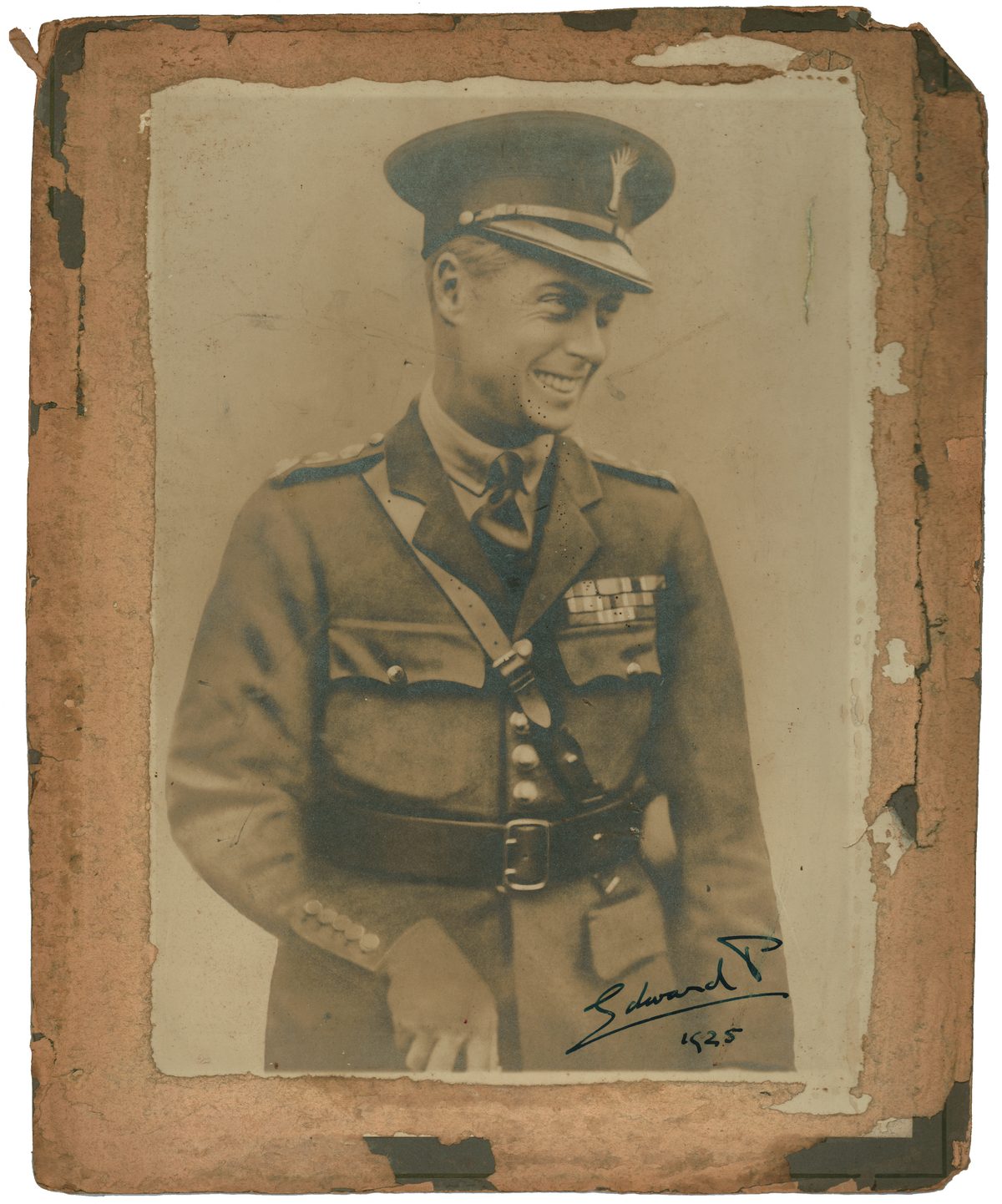
📷 Photo: Edward VIII. Public domain via Wikimedia Commons.