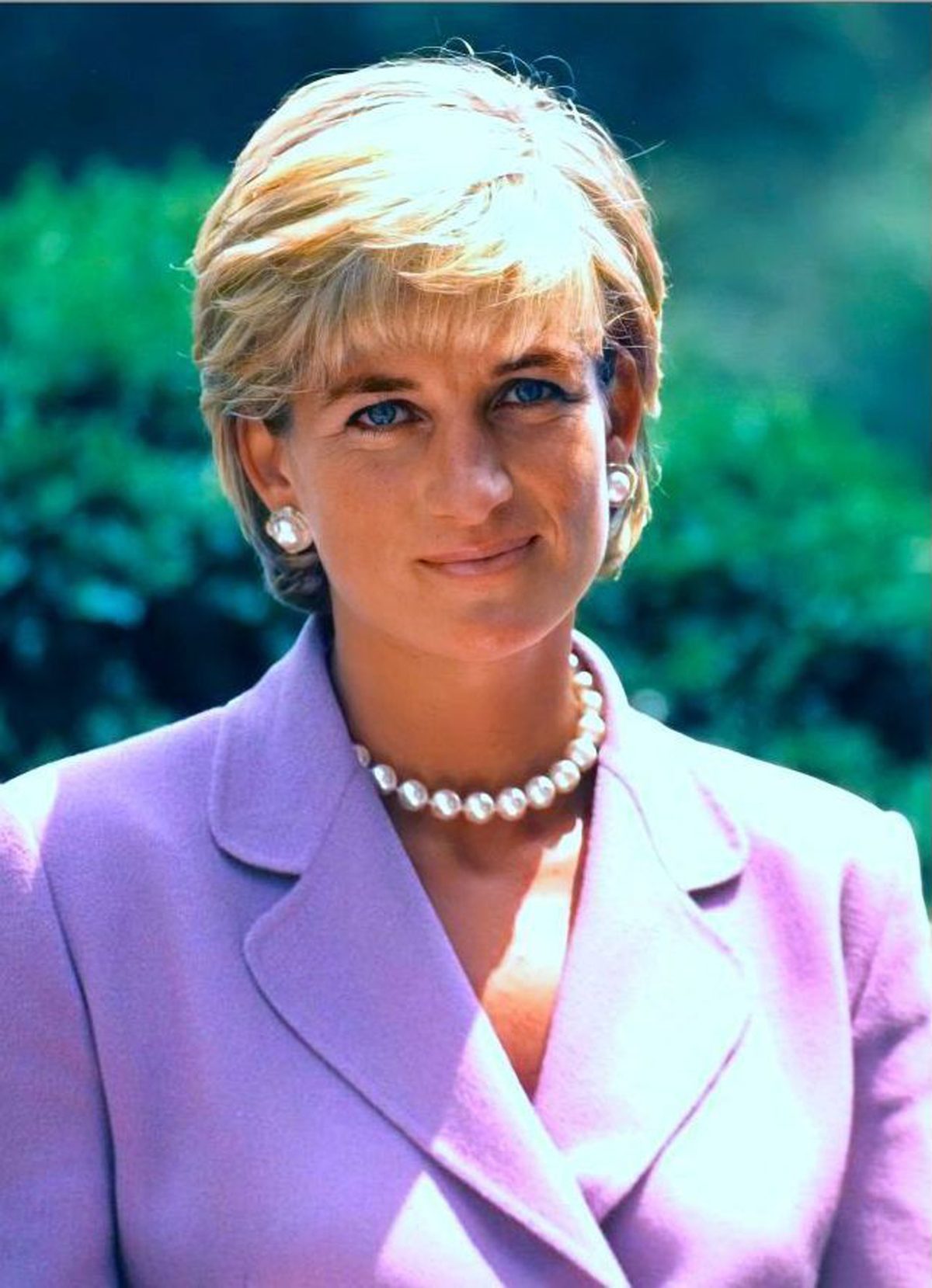
She stood out in a sea of protocol and grandeur, her smile cascading through camera lenses, warming hearts across the globe. On this particular day in 1991, Princess Diana, the "People's Princess," arrived at Great Ormond Street Hospital in London in full royal regalia—pristine white lace gloves that echoed the storied elegance of her position in the British Royal Family. Yet, when she sat beside a seriously ill child, those gloves quietly slipped off. It was a subtle yet significant act of compassion that typified Diana’s innate ability to connect deeply with those around her.
A New Era of Royalty
The year 1991 marked a decade of Princess Diana redefining what it meant to be a royal. Her approach was transformative, marrying the traditional with the modern. Her public appearances were not simply exercises in diplomacy or superficial goodwill; they were purposeful demonstrations of heartfelt sincerity. By this time, Diana had solidified her reputation as a style icon, poised with a grace that felt as natural as her famous feathered blonde hair.
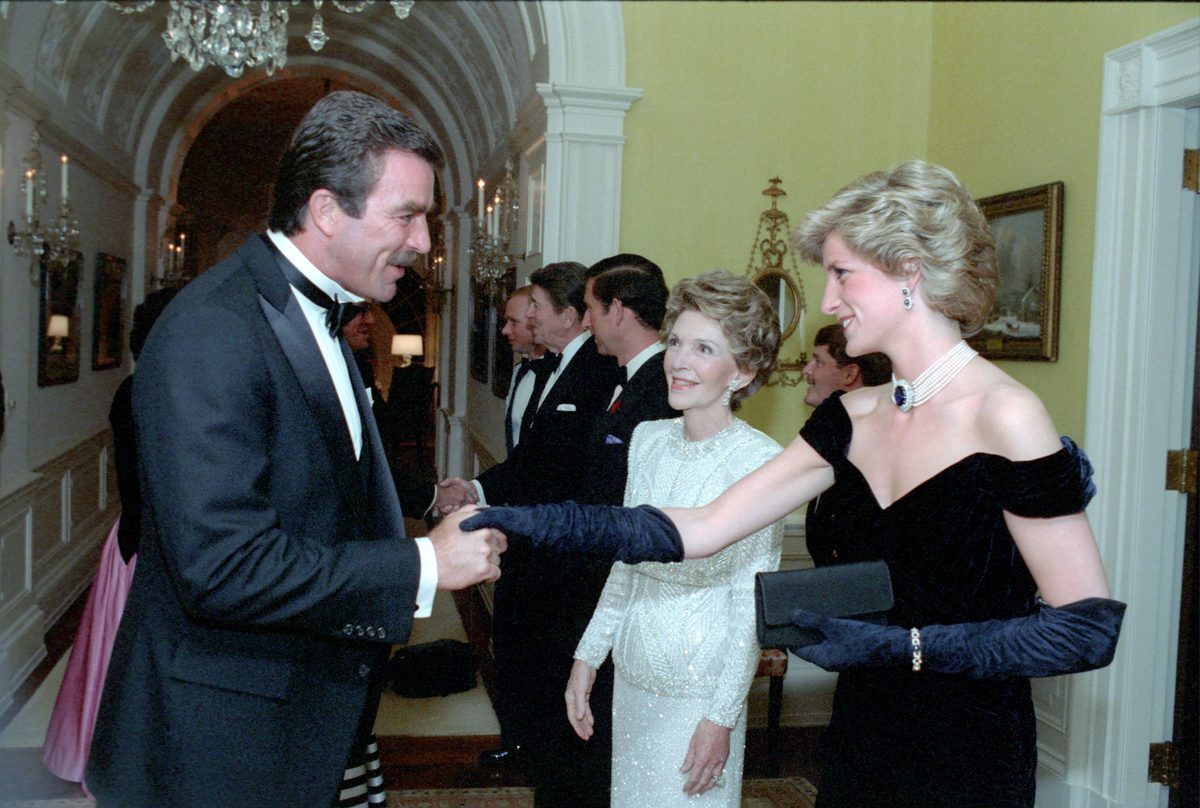
The Great Ormond Street Hospital visit was testament to Diana's unique blend of fashion and empathy. She entered adorned in an exquisitely tailored suit complemented by those striking white lace gloves, a common accessory in royal attire meant to signify status and maintain formal decorum. However, her subsequent actions underlined a different narrative—one of accessibility and heartfelt connection, prioritizing human touch over pomp and ceremony.
A Delicate Gesture of Humanity
The story behind Diana’s decision to remove her gloves during hospital visits is a poignant reflection of her philosophy. In a court where royal protocol could often create distant barriers, Diana’s barehanded approach symbolized her vision of a monarchy turned towards its people, where no child should feel untouchable or unworthy of comfort. This was emblematic of what she believed: royals, too, should not be insulated from the realities of the world.
As she reached out to those most vulnerable, Diana’s hands became conduits of comfort. She had learned that sometimes the most profound connections are forged not through words, but through a simple, reassuring touch. This empathetic act did far more than any speech or ceremony could—it bridged divides, fostered intimacy, and showcased a Mother of the Nation who cherished the humanity in all.
The Cultural Impact of Royal Fashion
In the realm of royal fashion, Princess Diana's choices were endlessly scrutinized, mimicked, and adored. Her outfits told stories, communicated messages, and often pushed the envelope of royal attire. Yet, beyond the fabric, it was her discerning choices like the removal of gloves at such pivotal moments that made history.
Fashion within the British monarchy serves as a tableau for tradition, with each garment carefully chosen to convey respect, status, and sometimes, regal impenetrability. By consciously removing an article of that fashion—a symbol meant to uphold a certain distance—Diana subtly defied convention. Her bare hands did more than embody modesty; they signaled an intentional departure from the untouched image of royalty towards one of compassionate engagement.
The Lasting Legacy
More than three decades later, Diana's legacy lives on, embodied by her sons, their families, and in her enduring charitable causes. Her iconic sartorial choices are preserved in exhibitions and retrospectives, each piece a fragment of a legacy of kindness and bold defiance. Diana’s choice to simply reconnect the weave of royalty with human touch echoes on in today’s royal engagements.
As the House of Windsor continues to navigate its place in modern society, the lessons from Diana’s era remain as poignant as ever. Her public decisions—with lace gloves gently placed aside—have inspired successors to balance tradition with modern empathy, ensuring the monarchy remains a source of inspiration and solace in challenging times.
Diana’s understated action that day was not a revolution of the spoken word but was no less seismic in its quiet determination. She crafted a narrative of a monarchy that is not just seen but felt—a timeless testament to the power of human connection.
📷 Photo: Series: Reagan White House Photographs, 1/20/1981 - 1/20/1989 Collection: White House Photographic Collection, 1/20/1981 - 1/20/1989. Public domain via Wikimedia Commons.