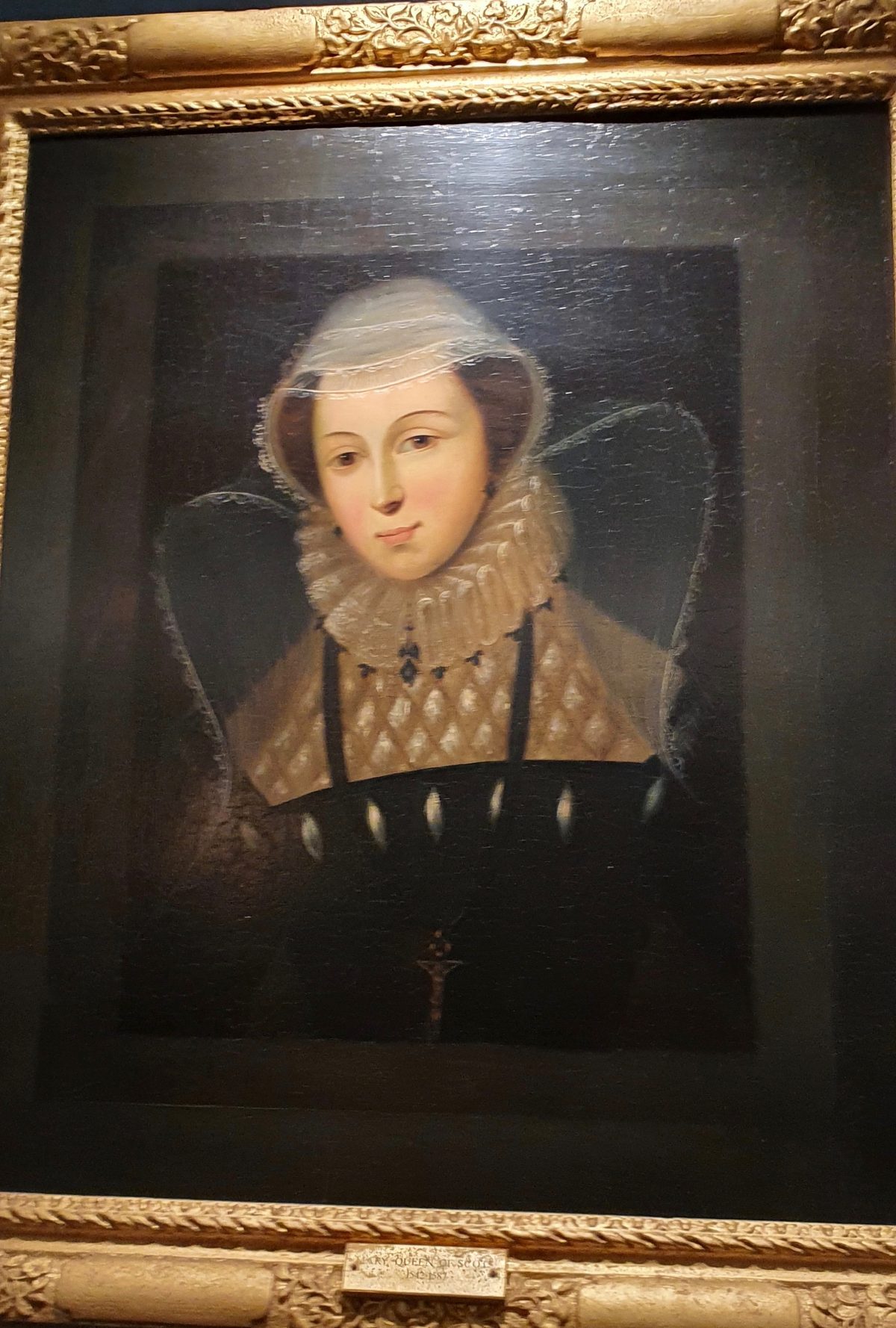
In the whispering halls of Fotheringhay Castle, on a cold February night in 1587, a story of profound love unfolded—a story hidden within the stitches of a queen's gown. Mary Queen of Scots, poised at the precipice of her fate, chose to immortalize her final hours not with defiance or despair, but with a mother’s enduring blessing. Denied the sight of her son, James, for almost twenty years, she sewed into her dress a letter—a message of hope, faith, and love—so it would accompany her even in death. This tender act of devotion exemplifies not just the depth of her character, but the indomitable human spirit that defines royal heritage.
A Mother’s Devotion in the Face of Destiny
Mary Stuart's life had been a tumultuous tapestry of power, politics, and personal tragedy. Enshrined in regal duty from birth, she was Queen of Scotland before she could speak. Her journey through the courts of Renaissance Europe echoed with the intrigues of alliance and enmity. Yet, amid the cacophony of political machinations, her heart yearned for simple familial bonds—most poignantly, with her son, James VI of Scotland.
By the time Mary faced her execution at Fotheringhay, she had been imprisoned by her cousin, Elizabeth I of England, for nearly two decades. Their relationship, a complex dance of rival queens, had culminated in Mary’s conviction for conspiring against Elizabeth—a charge rooted in the turbulent sectarian strife of the era.
But on that final evening, the grand politics of the crown seemed distant compared to the intimate gesture she planned. In the cloak of night, under the flicker of candlelight, Mary took to crafting a farewell that clutched at the bonds between mother and child. Her fingers, steadied by resolve, began stitching a letter meant to ensure her final thoughts would rest over her heart, nestled away from the prying eyes of history.
The Silent Heartbeat of a Letter
The letter Mary sewed into her gown was brief yet poignant—a reflection of her unwavering love and the hope that her death might lead to reconciliation between her countrymen and her son. A devout Catholic, she invoked blessings not just for James, but for his future reign and his subjects, wishing for unity and faith to guide them through the treacherous tides of reformation and rebellion that swept through Europe.
For Mary, the act was not just an insular gesture of maternal affection but a calculated message intended to shape James’ future perceptions of his mother. Separated from him since infancy, Mary had to trust that her words, and the sentiments she sewed into that dark fabric, would carry the authenticity that long years apart could not establish on their own.
Historians often speculate on whether Mary knew this physical message might never reach its intended recipient. Elizabeth’s fearful allegiances meticulously filtered correspondence down the years, seeking any weapon to undermine Catholic claims to England’s throne. Yet Mary's determination ensured that her final act of motherly love held the last word upon her heart.
Royal Ties, Tangled Fates
Mary’s story is a vivid thread woven into the expansive tapestry of royal lineage. Her life evidences the often whispered challenge of balancing familial loyalty against sovereign obligations. Her actions that night serve as a testament to how the human elements of love and hope exist amidst the rigid protocols of royalty.
James, raised under the Protestant guardianship, likely never saw the letter as a tangible artifact, though its spirit certainly infused his upbringing. As he ascended to the joint crown of England and Scotland, forming what would inevitably become the United Kingdom, the influence of Mary's steadfast hope and blessing for his reign remained a spectral presence in his rule. Through her actions, Mary steered the heart of her son as deftly as any sovereign would a nation.
A Lasting Legacy of Love
Mary Queen of Scots' story continues to resonate with the allure and tragedy of regal ambition intertwined with human simplicity. Her final gesture was an act not of defiance against her captors but a quiet rebellion against the erasure of her legacy as a mother. Sewn in the hidden seams of her gown was not a weapon against a cousin queen, but an undeniable acknowledgment of love transcending crowns, thrones, and even death itself.
As the years turned into centuries, Mary's tumultuous and dramatic life became the muse of many narratives—her tragic end immortalized in art, literature, and public imagination. Her enduring story is a solemn reminder to the contemporary world that the essence of royalty is not solely contained within ceremony or coronet but in the timeless bonds of love and legacy.
Today, as we marvel at the symbolic vestiges of royal history, it is often the quiet gestures like Mary's final letter that resonate loudly across time. They remind us of the eternal human spirit that underpins the magnificence of monarchic tradition—a spirit that, much like the fabric of a queen’s final gown, binds the royal past to the present.
📷 Photo: Yair Haklai. CC BY-SA 4.0 via Wikimedia Commons.