On a cold day in 2005, when the air was crisp and the leaves were giving their final golden nod to autumn, a young prince stepped into a hospice in England. He brought with him neither the pomp of a formal visit nor the stiffness sometimes associated with royal duties. What he carried instead was an innate empathy, a trait perhaps inherited from his philanthropic mother, Princess Diana. This visit would transcend the ceremonious margins of royalty and come to symbolize a deeply human act. It was during this brief encounter that Prince William, the future monarch, chose to sit cross-legged on the floor, becoming eye-level with a dying boy. This simple yet profound gesture left an indelible mark not only on the little boy and his family but also on the staff who witnessed this unforeseen scene of compassion.
The Setting: A Hospice Transformed
Hospices, in their essence, are sanctuaries of peace for those nearing the end of life. They are places where human vulnerability meets unwavering dignity. For the royal family, visits to such heartfelt institutions are not frequent, but they are immensely valued. On this particular day, the hospice was quietly buzzing, not with the usual chatter of medical updates but with anticipation. The staff knew that a royal visitor was about to arrive—a visit more personal than publicized, more about connection than ceremony.
As Prince William entered, the atmosphere changed perceptibly. Here was a young man, not yet the fully-fledged royal we know today, yet already embodying a graceful blend of approachability and respect. The staff, accustomed to seeing this environment administered with calming precision, watched with bated breath as William was introduced to the families and children, who whispered about the prince's kindness long after the visit had ended.
A Moment to Remember
Upon entering a softly lit room, Prince William was introduced to a young boy whose days were numbered. The conversation could have unfolded like any other formal engagement—a polite exchange across the bed, perhaps a gentle handshake, and then moving on. But something in the air was different. The prince exhibited neither reluctance nor hesitance. Instead, he lowered himself to the floor, sitting cross-legged, eye to eye with the boy, making sure that their interaction was on equal footing.
The room felt its own breath catch as staff and family members observed. The boy, as was his wont, giggled—a sound so infectious and divine that it wrapped around the young prince, drawing a smile from him that was as genuine as it was transformative. Words were exchanged that day, though history records few. What is remembered and retold are the smiles, the giggles, the human connection stripped of title or expectation.
Realities of Royal Duty
The British royal family is no stranger to rigor—bound by centuries of tradition, the expectations are as ancient as they are vast. Each encounter is partly formal, partly graciously humane. Prince William, much like his mother, has consistently navigated these realms with a deft touch. Princess Diana was famously known for breaking protocol during her charitable excursions. She showed the world that beneath the tiaras and ceremonies lies a profound capability for empathy. Prince William's visit that day echoed that legacy and perhaps foreshadowed his natural ability to connect beyond titles and expectations.
Palaces are grand, standing like silent guardians of history, each stone holding tales of royal life through the ages. Yet, it is these small, human moments outside their grand halls that most poignantly reveal the heart of the monarchy. Such interactions transform public perceptions, painting the younger generation of royals not only as symbols of continuity but also as carriers of compassion and humanity.
A Legacy of Empathy
As Prince William rose from the floor that day, he left behind not just an impression, but a piece of his own legacy—a legacy that is more than crowns and ceremonies. In that room, the power dynamics dissolved, leaving just a young man and a boy, both absorbing and giving warmth in equal measure. It is moments like these that remind us why the monarchy has endured; it is not solely because of its historical grandeur or its representation of continuity, but because of its powerful capacity for human connection.
Years later, as Prince William takes on more responsibilities within the monarchy, this visit stands as a testament to the empathetic leadership he embodies. This deeply human act is a reassurance that the future king embraces the very essence of his role—connecting with people, understanding their world, and extending kindness where it is most needed.
The echoes of his actions resonate with a world that continues to watch the monarchy evolve and modernize while upholding traditions. These poignant moments of empathy and understanding paint a royal family that is warm and relatable, connecting past and present with an authenticity that transcends time. It is these moments that remind us of the enduring relevance and heart of the British monarchy, leaving us hopeful for a future where kindness continues to sit at the forefront of its story.
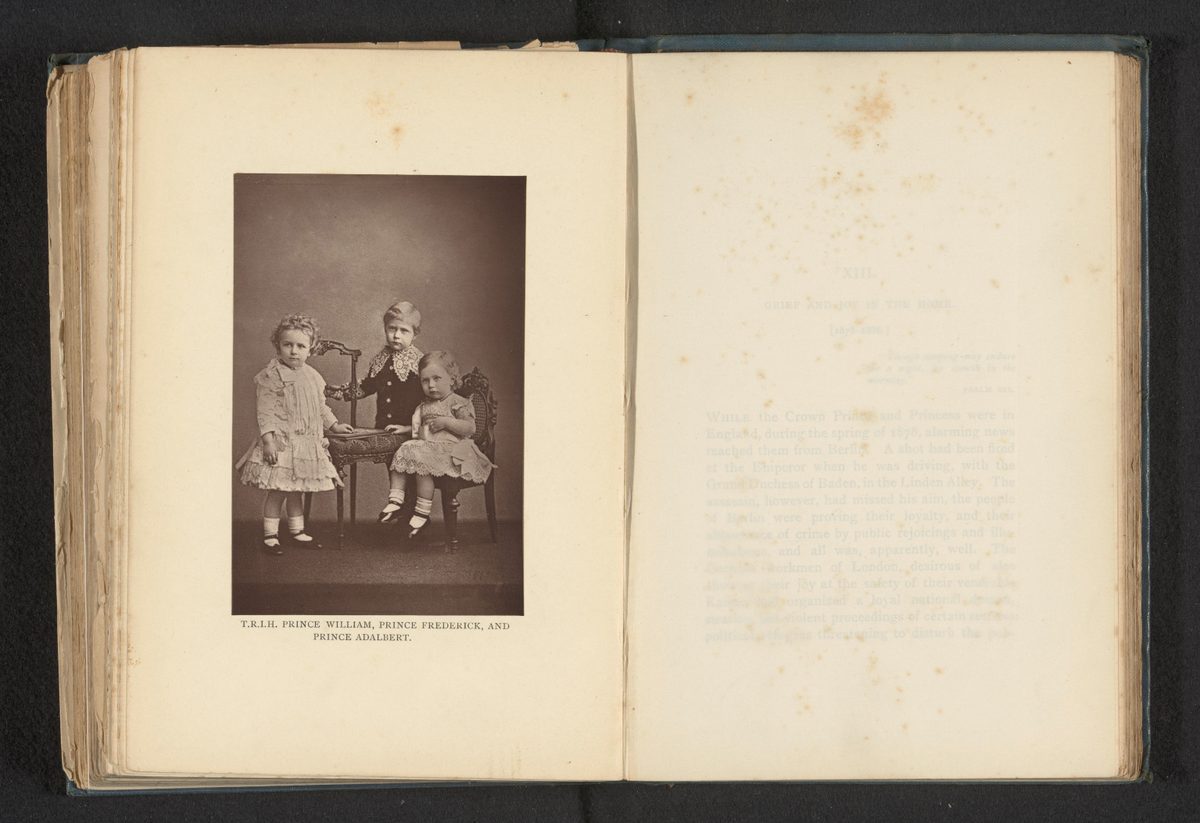
📷 Photo: Rijksmuseum. CC0 via Wikimedia Commons.