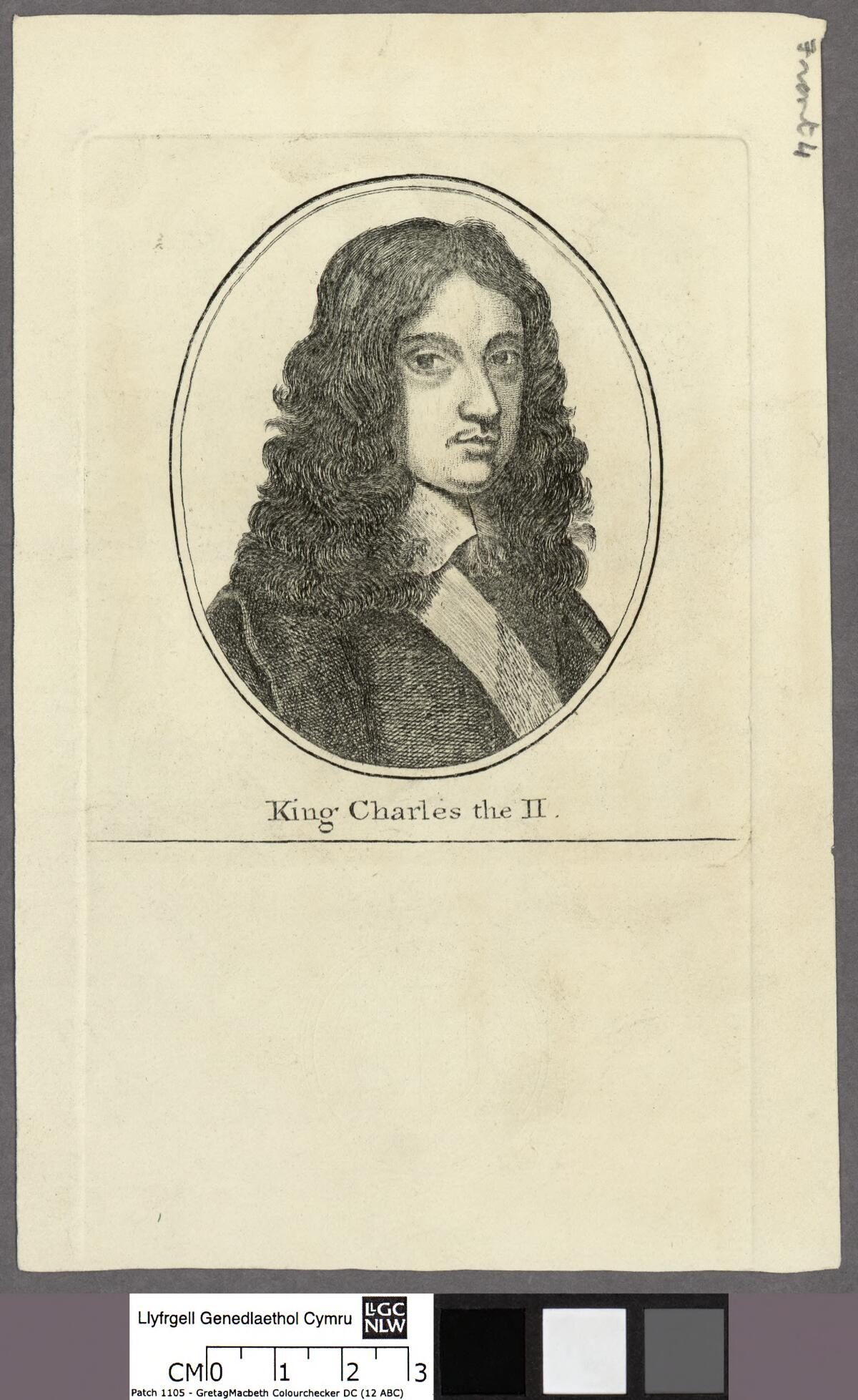
England in the late 1600s was an era of restoration and rejuvenation, helmed by a king known both for his regal charisma and his irreverent charm. King Charles II—known as the "Merry Monarch"—had an affinity for pleasure that belied a sharp political savvy honed during years of exile and conflict. Amid the weighty matters of governance and the delicate dance of court intrigue, one element remained constant and endearing: the unfailing presence of his beloved spaniels. These cherished companions, unfettered by historical circumstance or parliamentary decree, accompanied him everywhere. On an ordinary morning that resided under the cloak of Westminster’s solemnity, Charles II lazed in the presence of his loyal canine entourage, breaking the traditional gravity with a dash of whimsy by smuggling a dog into Parliament itself.
A Man and His Spaniels
For Charles II, life without dogs was perhaps unthinkable. Spaniels, particularly the Cavalier King Charles Spaniel, became synonymous with his reign. It is said that at any state occasion—or even private audiences in the royal bedchamber—these compact canines meandered freely, providing companionship and comfort. Unlike the stern and often dogmatic rulers of the past, Charles imbued his court with a spirit of playfulness, viewing his dogs as more than mere pets; they were trusted confidants in an environment that teetered on the knife edge between loyalty and treachery.
"A King should command as he can, with man or beast alike," a sentiment he might well have expressed, echoed loudly in the halls of Whitehall. Renowned for his charm and indifference to formality, Charles never hesitated to share the royal limelight with his spaniels, to the bemusement and frustration of ministers and courtiers who believed the little dogs might bite into more than just biscuits—they threatened decorum itself.
The Morning of Defiance
It is a testament to Charles's skill and authority that he managed to bring a dog into houses of Parliament without open objection. On that particular morning, when statesmen gathered to discuss affairs of import that would shape the nation’s future, it was not a parliamentary measure or budget debate that captured whispers in the corridors. Rather, talk centered around an unexpected guest wandering amidst silks and velvets: a spaniel that followed the king as silently as a shadow.
The spectacle of regal nonchalance prompted ripples of chuckles and curiosity rather than outrage. Ministers, often stern and preoccupied by the weight of empire, found themselves uncharacteristically amused. It was a testament to Charles’s deft hand at handling both politics and personality; he understood inherently that the spaniels were extensions of his persona. To rebuke them was akin to challenging the king himself.
Life at the Restoration Court
Charles II's Restoration court was a vibrant center of culture and political machination. Having restored the monarchy after the Commonwealth's puritanical rule, Charles filled his days with music, theater, and scientific advancement. His entourage included poets, playwrights, and thinkers who thrived under the king’s patronage.
Within this flourishing environment, the king’s affection for dogs was not an eccentric quirk but a reflection of a broader philosophy—one that saw life as an array of joys to be savored, best shared with trusted companions. The court, a place of elegance and elaborate ritual, paradoxically found room for such simple, honest affections between man and beast.
The presence of his spaniels symbolized Charles's embrace of life’s lighter pleasures and his refusal to be entirely constrained by the formality that draped his royal duties. His court was one of witty repartee and gentle rebellion against the ghost of previous rigid norms. It was fitting that some of the most remembered events from his reign involved not treaties or wars, but the loyal spaniels that slept at his feet during council meetings.
The Legacy of Charles and His Spaniels
Even today, the image of Charles's spaniels serves as a reminder of a human touch amidst the pomp of power. It shows a ruler who, while shrewd and strategically astute, possessed an innate understanding of the small joys that bind people across time. The Cavalier King Charles Spaniel, named in his honour, continues to capture the hearts of dog lovers worldwide, a living legacy that began by the hearths of a merry monarch's court.
In connecting past to present, Charles II’s indulgent companionship with his spaniels provides a warm narrative of benevolence and familiarity. It’s a story that softens the austere portraits of kingship with a stroke of friendly fur, reminding us of the enduring power of simple joys in any era.
📷 Photo: Unknown authorUnknown author. Public domain via Wikimedia Commons.