He commanded armies, lost a continent, and wore the most powerful crown in the world. Yet historians record that George III rose before his court each morning at Windsor Farm to perform the most ordinary of tasks — working alongside his children with his own hands, teaching them that no labour was beneath a king.
The Unexpected Routine of a Monarch
In the grand tapestry of the British monarchy, few scenes capture the human side of royal life quite like King George III waking up at the break of dawn to bake bread with his sons. It’s an image that feels almost quaint against the backdrop of the 1780s—a dynamic period of political upheaval and imperial challenges. However, within the thick walls of Windsor Castle, amidst the opulence of chandeliers and corridors filled with history, there existed a humble ritual that spoke volumes about the monarch's character.
Those who knew George III were acutely aware of his devotion to family life and his desire to instill virtues beyond the trappings of power. This daily bread-baking, though a modest endeavor, was a testament to the king's belief in the values of diligence, humility, and kinship. As statesmen maneuvered through the complex court politics and military officers strategized across global maps, the king's early morning habit served as a gentle reminder that even the mightiest figures are anchored in simple human bonds.
A Court Waiting for a King
Windsor Castle, with its towers and wings echoing centuries of legacy, was more than just a royal residence; it was the nerve center of an empire and a stage for royal splendor. Here, beneath the awe-inspiring ceilings painted with mythology and history, courtiers bustled with news of faraway colonies and the monarchy's ambitious projects. Yet, every morning, there was a pause—a stillness—as the king and his sons occupied their sanctuary within the castle kitchen. It was a space less concerned with court intrigues and more with the tactile joy of kneading dough.
The royal children, including the future King George IV and Prince Frederick, Duke of York, might have expected lessons in diplomacy or military strategy as part of their education. However, what they received instead was an unassuming yet profound teaching in humanity. In those early hours, their father, free from the trappings of his crown, was not their king but a parent guiding them with flour-dusted fingers.
Beyond the Throne: Lessons in Humility
George III’s reign was marked by significant trials, from revolutionary fervor in America to economic strains at home. Against these challenges, his character was a composite of duty and simplicity. He was famously dubbed "Farmer George" by his subjects for his keen interest in agriculture—a sobriquet that, while sometimes derisive, more often demonstrated affection for their monarch’s grounded nature. It was this same affinity for the land and its produce that likely prompted him to share the art of baking with his sons.
This practical skill carried a subtext that royal power did not exempt one from the ordinary, relatable activities of life. By involving his sons in such tasks, George III gently rebelled against the notion that royalty existed solely in a sphere of privilege, detached from the daily rhythms of the people they ruled. It was a subtle yet impactful lesson that resonated well beyond the confines of the kitchen.
"Labour," the monarch might have asserted through his actions, "is not the enemy of greatness but its ally."
A Tradition of Human Touch
While George III’s name is often associated with the more dramatic episodes of his reign, such as the American Revolutionary War, these quieter moments of fatherhood and personal example subtly shaped the future of the monarchy. His legacy, though tinted with complexities and later marred by his mental health struggles, embodied a sincere devotion to fostering a family environment that reflected the virtues he held dear.
As they baked bread together in the cool, pre-dawn air, the king's sons received more than culinary skills. They learned responsibility, cooperation, and the value of contributing to a common effort. These morning lessons, filled with the aroma of fresh bread, were as much a part of their royal education as any scholarly pursuit or statecraft lesson.
Finding Relevance in Our Times
Today, as we stand at the intersection of an ever-evolving world and a venerable institution striving to remain relevant, the legacy of George III’s early morning bread-baking carries a poignant message. In times of technological advancement and societal transformation, the quiet wisdom passed down through flour-covered hands remains a potent reminder of the enduring importance of humility and human connection.
The image of a king, not in regalia but in an apron, resonates with the modern royals who often seek to balance the demands of their roles with personal authenticity. King George III’s mornings at Windsor, kneading dough alongside his children, remind us that no matter the era, the true strength of leadership often lies in the ability to relate, to care, and to engage with the simplest aspects of our shared humanity.
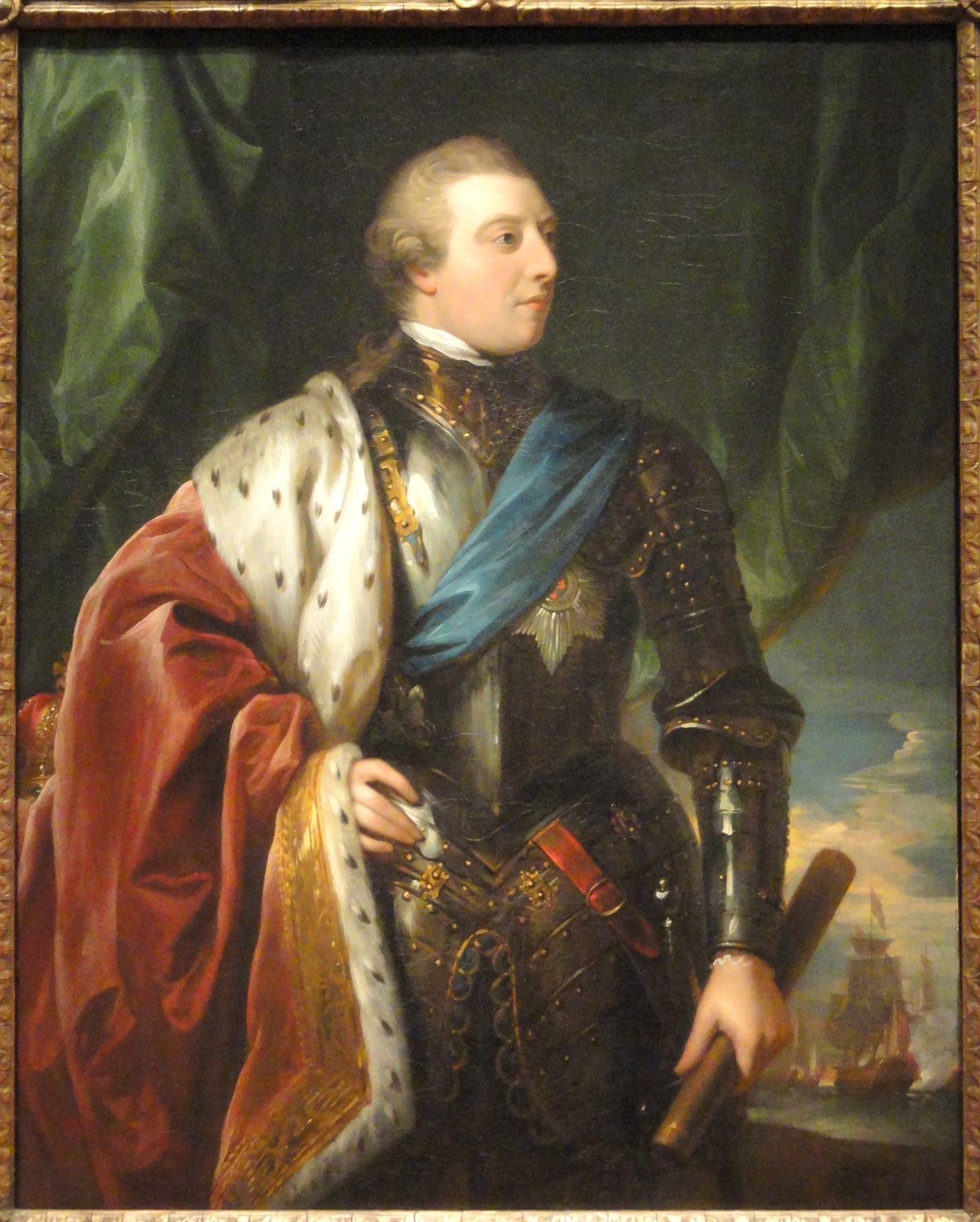
📷 Photo: Daderot. CC0 via Wikimedia Commons.