The morning was like any other in the hallowed halls of Buckingham Palace. The clink of breakfast china, the quiet footfalls of staff attending to their duties, and the subtle luxury that drapes itself over every surface. But this ordinary day held an unexpected surprise. As King George V, ruler of the British Empire, deliberate and composed, opened his correspondence, a small, unassuming envelope slipped into his hands. Sent by a boy who existed quietly amid the Empire, destined for an intimate place in its sovereign's heart. That morning, the great King, known for his stern countenance and steadfast rule, found himself moved to tears.
The Royal Philatelist
Though King George V is primarily remembered for his role during some of the most pivotal moments in 20th-century history, his personal interests reveal a quieter, more contemplative side. Not least among these passions was philately. George V was not merely a collector of stamps; he was a true philatelist, cultivating one of the most impressive collections in the world—one that demanded organization, precision, and a tireless pursuit of rare treasures.
His collection, often described as one of the world's greatest, was a source of deep personal satisfaction. Stamps were more than mere objects; they were historical narratives, speaking of nations, influential moments, and the evolution of a global community. Within the echoes of his grand palace, George V found peace in the precision of postmarked jewels and paper rarities.
The Heartfelt Plea
It was amidst this passion that the small envelope found its way to the King’s morning ritual. The envelope was postmarked from the edge of the Empire and contained a letter from a young boy whose life was ebbing away due to illness. The child, in his letter, expressed his unyielding love for stamp collecting and the unfortunate reality that he would not live to see the fruits of his labor grow. He expressed a wish—a humble, selfless wish—for the King to accept his modest collection into the grand royal compilation. A gesture that stripped the material possession of its worth, infused instead with a heart that beat not for long.
This boy, whom history has largely forgotten by name but remembered through emotion, shared in ink what doctors had told him would come to pass, and penned his collection’s destiny. His parents, in a final act of love, had ensured his wishes journeyed to this farthest privilege. In doing so, they brought together two soul collectors—one a boy of stamps, the other a King of Empires.
The Weight of Tears
In the solitude of his study, King George V read the words with a heart no longer perched on a throne but seated next to the bewildered injustice of a young life ending too soon. The King was not an overtly emotional man by reputation; yet here, he was profoundly moved. Suspended between the decorum of royalty and the raw pulse of humanity, he allowed himself the vulnerable act of weeping for a boy he had never met, yet felt connected to through a shared passion.
Sovereigns often embody a stoic façade, a necessity perhaps, demanded by crowns and kingdoms. But behind the protocol, King George V revealed something far more stirring: a King’s empathy and the quiet retreat into the personal world he cherished. These stamps, tied as they now were to the boy’s farewell, transcended their previous value. They became mementoes of a fragility that touched the heart of royalty.
An Echo of Gratitude
Moved beyond words, King George V did what few expected. He penned a letter in reply, with his own hand—a personal touch that transcended the usual protocols of royal correspondence. In lines both empathetic and dignified, he expressed gratitude for the young boy’s sacrifice and joy in welcoming these stamps into the royal collection. This compassionate act underscored a truth: every philatelic addition was not a conquest of ownership but a celebration of shared stories.
The King’s gesture represents a point in history when regal and real walked hand in hand. Through the grace of this exchange, George V exemplified the connective power of shared passions and the monarchy’s ability to transcend its own grandeur to touch and embrace the personal tales of its subjects. The collection was thus forever bound with a silent narrative—a dialogue that history chose to honor through heart and legacy rather than decree.
Legacy of Human Touch
George V’s reign spanned transformative decades, stormy with wars and economic challenges yet steadfastly progressive in the modernization of the monarchy. The empathy shown on that quiet morning is an emblematic moment in the tapestry of his rule, a gentle reminder that monarchical duties are sometimes best expressed in tender acts of understanding.
In reflection, the gesture reverberates with significance, opening discussions even today about the human aspects of power and the intrinsic values of world leaders. Stamping a quiet seal on history, George’s tears and inked letter resonate as reminders of the crux of leadership: to know and care beyond the trappings of circumstance and crown.
For the young boy, his collection's new home in royal care transformed humble stamps into ambassadors of enduring memory. Today, as history looks back upon this event, it serves as a reminder that acts of kindness, large or small, have a place in shaping monarchical legacies as profound as policies and proclamations.
King George V's story, though rooted in the annals of the past, continues to echo through the corridors of time, inviting us to reflect on our communal tapestry of shared humanity. In life’s innumerable volumes, it asserts a simple truth, softly voiced from regal lips and childhood dreams: every story, unnumbered and priceless, deserves a kingdom—if only for an eternal morning.
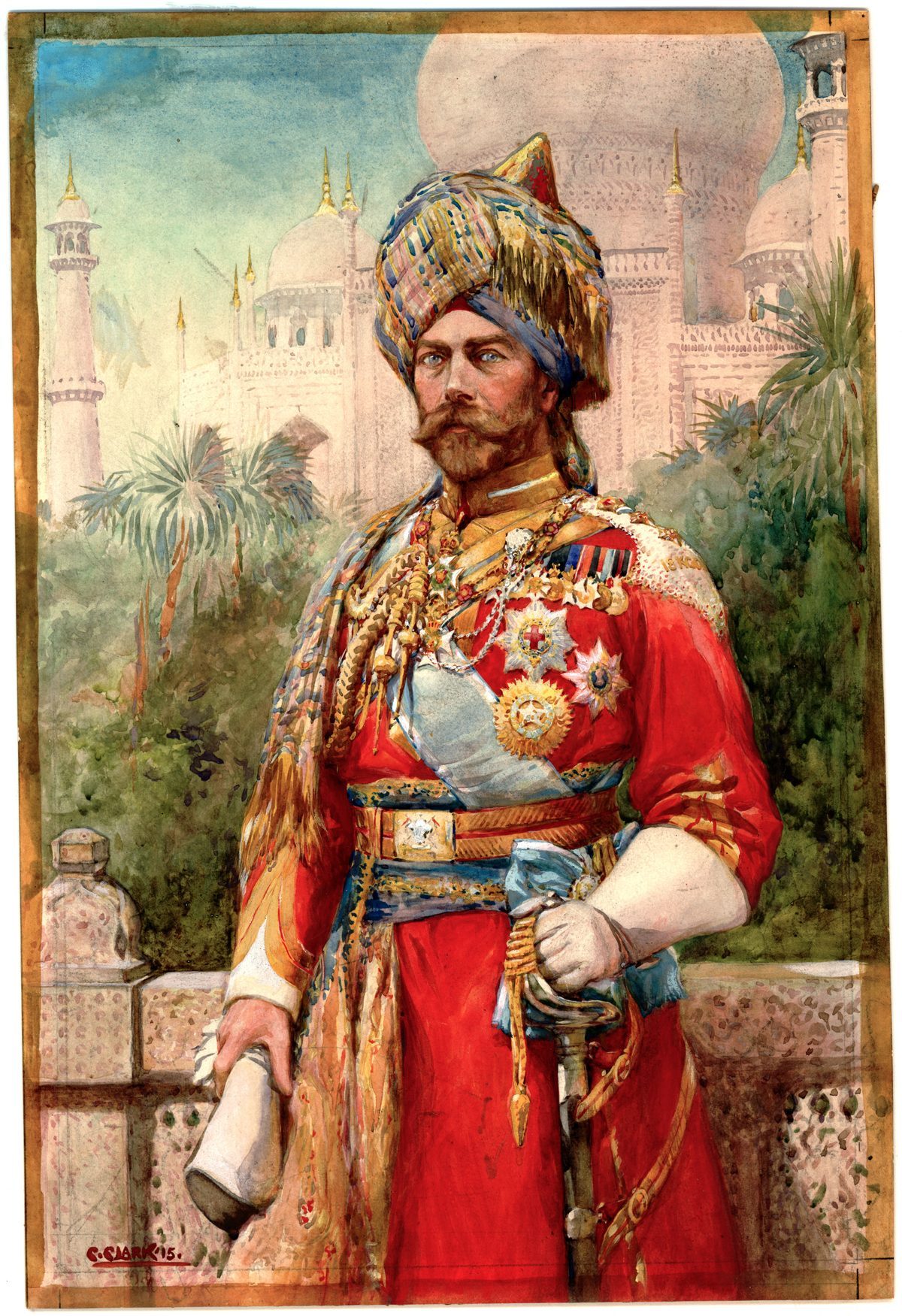
📷 Photo: Christopher Clark (1875 - 1942). Public domain via Wikimedia Commons.