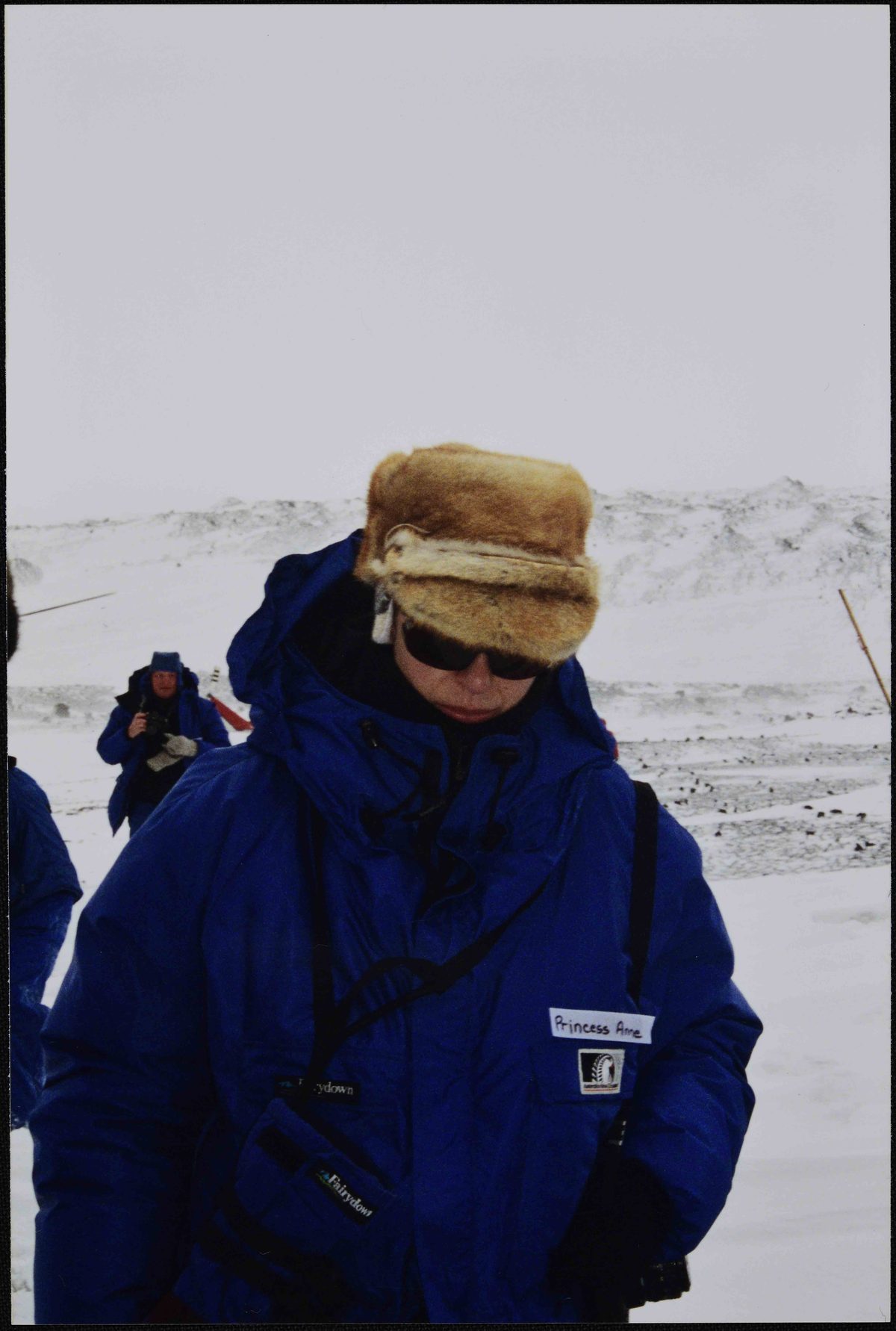
In the blistering heat of a Somali morning, far from the polished floors and grand halls of the British royal palaces, Princess Anne made an indelible mark in the hearts of those who witnessed her quiet yet profound act of compassion. It was 1992, and the famine crisis in Somalia had reached a heartbreaking peak. Thousands were fighting for survival amidst the collapse of the Somali state, and within this chaos, Princess Anne's decision to visit the refugee camps was as unexpected as it was powerful.
The Royal Visit: A Departure from Protocol
Traditionally, royal visits are orchestrated with meticulous attention to detail, ensuring that every moment is captured, every gesture accounted for, and every encounter documented. Yet, on her journey to Somalia, Princess Anne broke with convention. She arrived discreetly, devoid of the entourage and spectacle that typically accompany royal visits. Instead, she chose to focus solely on the gravity of the humanitarian crisis. This was a mission of humanity rather than publicity — a candid engagement with the world's harsh realities.
The decision to visit the refugee camp was driven by her role as President of Save the Children, an organization she has passionately supported since 1970. Princess Anne's commitment to humanitarian efforts is well-documented. Her desire to see the impact of the famine firsthand was a testament to her enduring dedication to global causes, driven not by duty but by a deep, personal sense of compassion.
An Unforgettable Morning: Unity in Silence
On that morning, the sounds of suffering were all too evident. The cries of hungry children pierced the air, a heart-wrenching reality that no one could ignore. Without hesitation, Princess Anne entered one of the makeshift clinics, her presence a quiet reassurance amidst the despair. She moved with purpose, her footsteps careful yet determined on the dusty ground. And then, in a moment that would forever capture the true essence of her character, she sat down beside a dying child.
There were no words that needed to be spoken. Princess Anne sat cross-legged on the dirt floor, her traditional royal attire replaced by practical clothing suited for the harsh environment. She took the child’s frail hand in hers, offering perhaps the only comfort available in that moment — presence. It was a gesture that transcended language, culture, and protocol. Her silence spoke volumes, resonating with aid workers who had devoted themselves tirelessly to the cause. They bore witness to a unique royal encounter, one characterized not by grand speeches but by quiet solidarity.
The Humanitarian Heart of the Royal Family
Within the British monarchy, Princess Anne has long been recognized for her relentless work ethic and unwavering commitment to charitable causes. Often hailed as one of the hardest working members of the royal family, her visit to Somalia reflected her dedication to humanitarian issues that often go unnoticed. Unlike many of her public engagements, this visit garnered little media attention at the time, yet it left a lasting impact on those directly involved. It reinforced the idea that true leadership sometimes resides in the ability to listen, observe, and simply be present.
Princess Anne's approach, devoid of pomp and circumstance, highlights the ethos of the royal family’s dedication to service. Throughout the years, the royals have been involved with numerous charitable initiatives, lending their voices and resources to support those in need. This visit to Somalia stands as a poignant example of how royalty can bridge worlds — connecting the privileged with the underprivileged through acts of sincerity and empathy.
Echoes Through History: A Legacy of Compassion
In the decades since that somber morning in Somalia, Princess Anne's humanitarian efforts have continued unabated. Her visit remains a symbolic gesture, demonstrating an unwavering commitment to addressing global challenges. While the royal family is often associated with ceremonious grandeur, moments like these remind us of their profound ability to make meaningful, albeit quieter, contributions.
In the years following, humanitarian visits have become an integral part of royal duties, with subsequent generations embracing this mission. The impact of royals engaging directly with global issues continues to shape the institution's legacy. As the world grapples with pressing challenges — climate change, conflict, poverty — the importance of empathic leadership, as demonstrated by Princess Anne, is a guiding light for both the monarchy and global society.
The morning when Princess Anne sat on a refugee's floor gently nudges us to reflect on our own capacity for compassion and active engagement with the world's most vulnerable populations. Within this royal narrative lies a lesson timeless and universal: that connecting with humanity in its rawest form is both a privilege and a responsibility.
As we look to the future, Princess Anne's quiet defiance of royal convention serves as a beacon of hope and a reminder of the enduring power of empathy. Her actions reaffirm the potential for goodness within the spheres of influence and beyond. If the past has taught us anything, it is that sometimes the most profound connections are formed in the simplest of gestures, as onlookers stand quietly humbled by the shared dignity of being human.
📷 Photo: Archives New Zealand. CC BY 2.0 via Wikimedia Commons.