The Morning in a Grieving Village
On the morning of October 21, 1966, the tranquil rhythms of Aberfan, a small Welsh mining village, were shattered. A colliery spoil tip collapsed, releasing a tsunami of coal waste that claimed 144 lives, including 116 precious children. The collective heartache was unfathomable, reverberating through the nation with an impact that demanded the attention and compassion of the highest measures of authority.
Among those who felt compelled to respond was Queen Elizabeth II, a figure whose relationship with her people transcended the layers of royal pomp. Although she initially hesitated, a decision she later described as one of the biggest regrets of her reign, the queen arrived in Aberfan eight days after the disaster. Her visit was not marked by grandeur — no speeches, no political statements — but rather a quiet empathy that spoke volumes.
A Sovereign's Silent Solace
As the queen made her way through Aberfan, the air was thick with collective sorrow. For a community grappling with grief, her presence offered a sense of solidarity and solace. However, what unfolded on that tragic day was not enshrined by majestic declarations but by silence. Her journey led her to the humble home of a grieving father, whose child was among those lost to the catastrophe.
The man was too overwhelmed by his heartache to engage in conversation. It was a pain that defied words, an ache that even time might struggle to heal. In this delicate space, Queen Elizabeth II transcended her role as monarch and emerged simply as another human soul seeking to offer what little comfort she could. She took his hand in hers and seated herself quietly beside his bed, settling into a profound, empathetic stillness.
This was not a moment made for cameras or history books but a genuine human connection. The profound silence that enveloped them was not empty; it was laden with unspoken words of understanding and compassion. The queen, with an intuitive grasp of the gravity of the situation, allowed her presence to communicate far more than language ever could.
The Heart of the Monarchy
This poignant tableau was emblematic of Queen Elizabeth II’s understanding of her reign's true calling: to serve not just as a figurehead but as a pillar of support during times of national despair. Her unwavering grasp of duty helped bridge the gap between the seemingly untouchable realm of royalty and the lived experiences of her subjects.
The queen’s relationship with her court was deeply rooted in traditions known for their grandeur and formality. However, the real magic of her monarchy often unfurled in moments like Aberfan — where stripped of pomp and circumstance, the genuine humanness of her role shone brightly. These were times when the crown's weight was felt in heartbeats and handshakes, in the potent power of presence rather than the eloquence of words.
The Lingering Echoes of Empathy
The impact of Queen Elizabeth II’s silence that day echoed beyond Aberfan. The poignant simplicity of her engagement with the grieving father became a cherished story of raw, honest empathy. It reinforced the monarchy's role not just as a custodian of history and tradition but as a living, breathing entity capable of offering genuine comfort and understanding.
As news of this silent visit spread, it resonated with a wider public. This single, quiet act of compassion underscored her dedication to her people — a queen who understood that sometimes, the most regal crown one can wear is that of shared humanity. In moments of great despair, it is often silence that communicates the deepest respect and understanding, a lesson as relevant today as it was then.
A Legacy of Compassion
The events of Aberfan have faded into history’s pages, yet the lessons of empathy and humility remain timeless. Queen Elizabeth II’s decision to offer solace through silence rather than speeches is a testament to her enduring legacy as a compassionate ruler. Her actions remind us that in a world where voices often clamor for attention, silence can sometimes tell the most powerful story of all.
Today, as we reflect on her reign and the longstanding institution she represented, we are reminded of the universal truths she personified — the unadorned power of presence, the quiet strength of compassion, and the enduring bond between a sovereign and her people. In the modern era, where empathy and connection remain as crucial as ever, Queen Elizabeth II’s silent vigil in Aberfan offers a poignant lesson in leadership marked by humanity and grace.
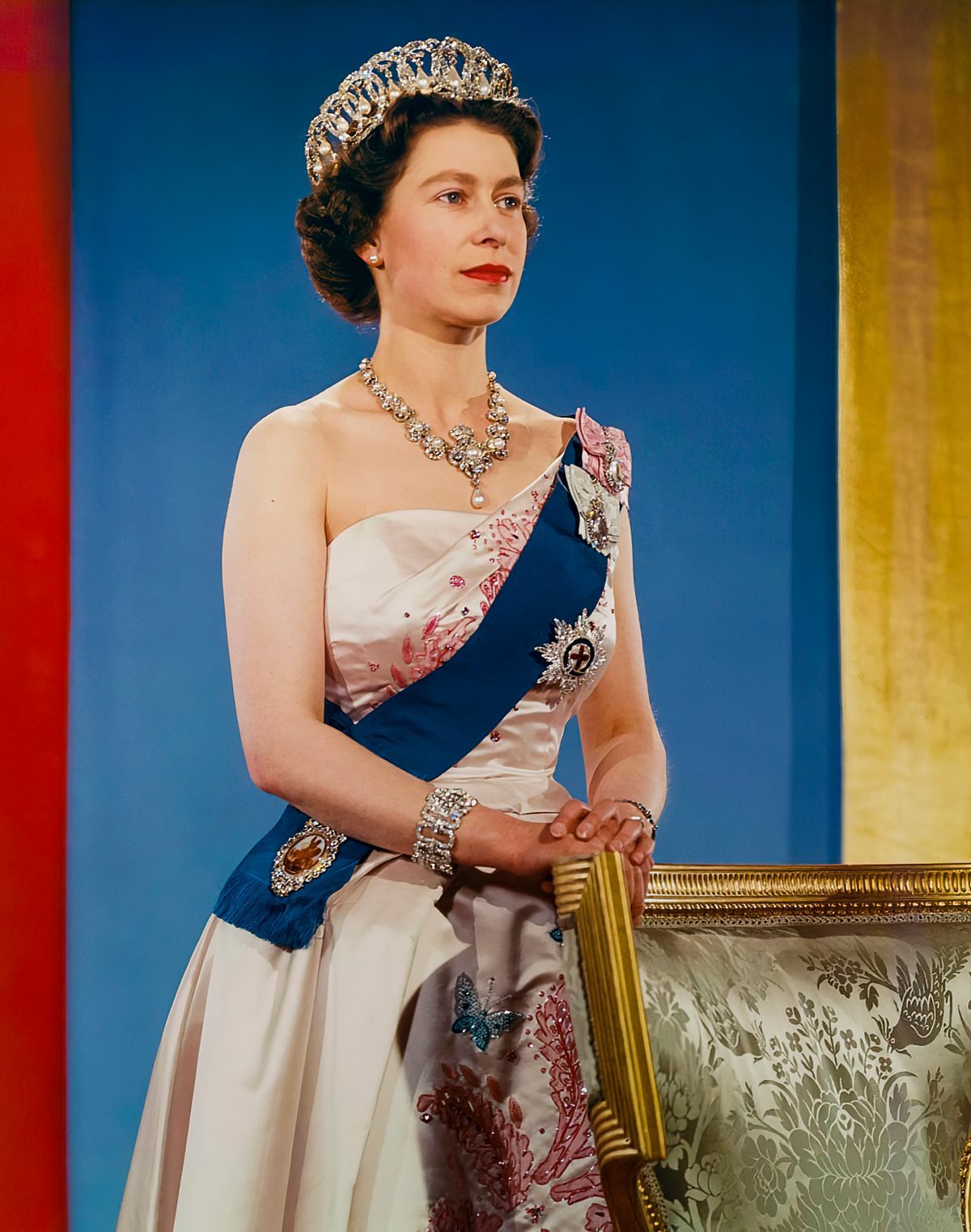
📷 Photo: Donald McKague. Public domain via Wikimedia Commons.