In the chaos and darkness of wartime Britain, as sirens wailed and bombs fell across London, there was one night that exemplified the quiet courage and profound love that defined King George VI. On a September evening in 1940, a German bomb struck Buckingham Palace, deliberately targeting the heart of the British Empire. Amidst the rubble and uncertainty, the King reaffirmed his commitment to staying in London. But what etched this moment into the annals of royal history wasn’t merely his resolve to remain at his post — it was also a deeply personal act of paternal devotion: choosing to sleep outside the doors of his daughters, Princess Elizabeth and Princess Margaret, as if his presence could shield them from the world's unraveling.
A Palace Under Siege
The blitzkrieg, Hitler's campaign of terror from the skies, reached Buckingham Palace on September 13, 1940. The attack aimed to shatter the morale of the British people by shaking the very symbols of their nationhood. It was a typical morning when the King and Queen had narrowly avoided injury from the explosion, yet the palace sustained significant damage. This event marked a pivotal moment in World War II, underscoring Britain's vulnerability but also its resilience.
As stories of Buckingham Palace under siege rippled across the nation, a magisterial defiance unfolded within its battered walls. King George VI and Queen Elizabeth, later the beloved Queen Mother, became emblems of stoic endurance. They refused the advice to evacuate to safety elsewhere, embodying a spirit of solidarity with their subjects. “I am glad we have been bombed,” the Queen famously remarked, capturing the resolve to face the same dangers as her people. Their choice to remain in London with their daughters symbolized a royalty that endured not from the distance of gilded halls but from the very impact zones of shared struggle.
The Strength Within
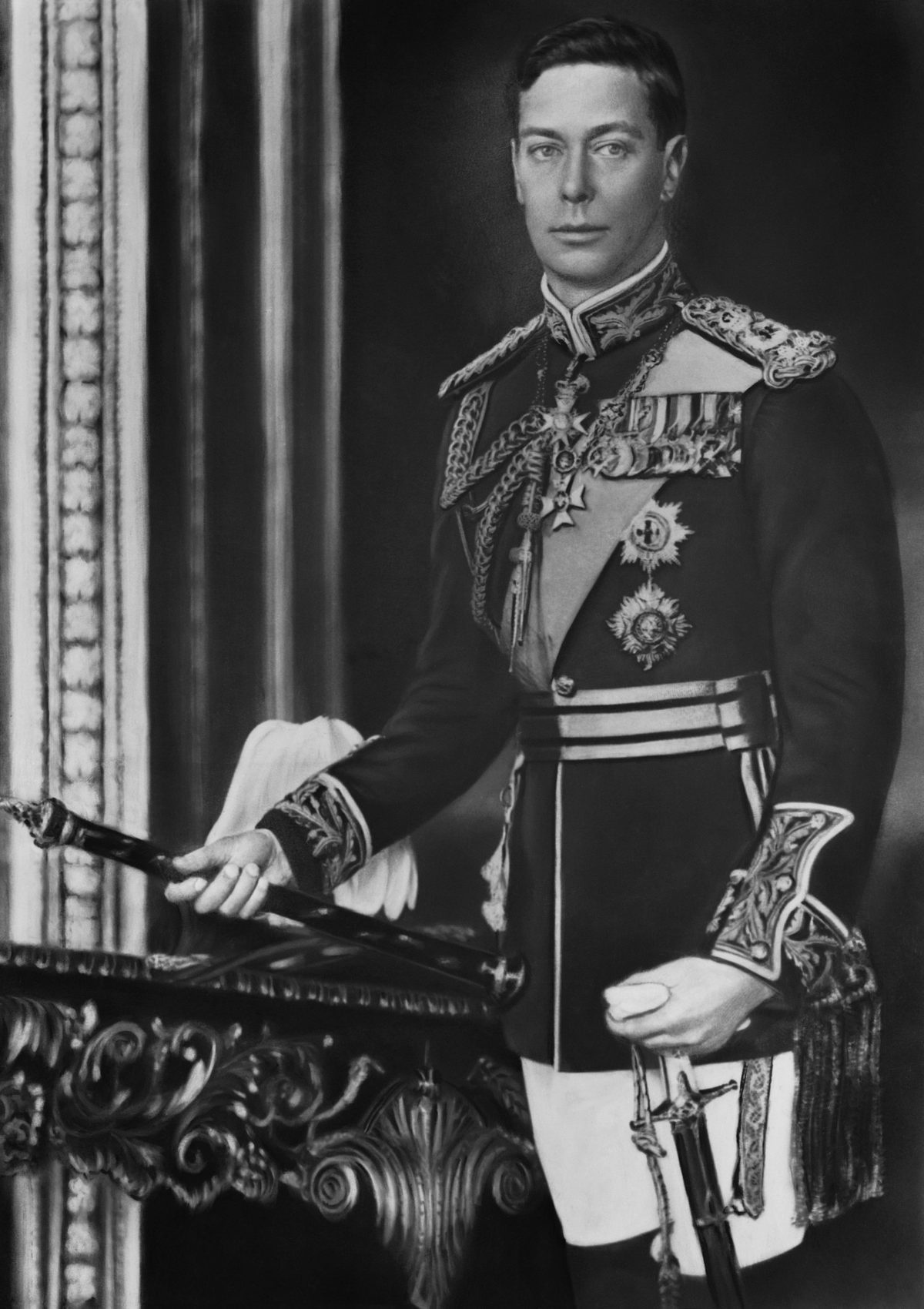
That pivotal day in September was only a moment in time, but it cast a glowing light on the personal side of King George VI. Known as Bertie within his family circle, George VI wore the crown with reluctance following his brother Edward VIII's abdication. While he stepped dutifully into his role as king, it was as a father and husband that he found his truest strength and satisfaction, despite the burden of the crown during such precarious times.
Evening came as calm descended over the palace. Behind ornate doors and historic walls, another tale unfurled in the folds of this monumental day: the King’s decision to sleep outside his daughters’ doors. In transferring his makeshift quarters to the corridor that night, King George VI performed an act of the most humble, yet majestic stewardship — a pledge to protect his family first, to serve as their sentinel during their most vulnerable hours.
Personal Courage During Wartime
History often records the sweeping, grand narratives of war and crises. However, it is the private gestures — like a father placing his bed outside his children's rooms — that reveal more profound truths about their characters. This simple action was emblematic of George VI’s integrity and the deep care he felt for his daughters. It spoke volumes not just to his role as a sovereign, but as a beacon of quiet assurance when his family, and indeed the country, needed it most.
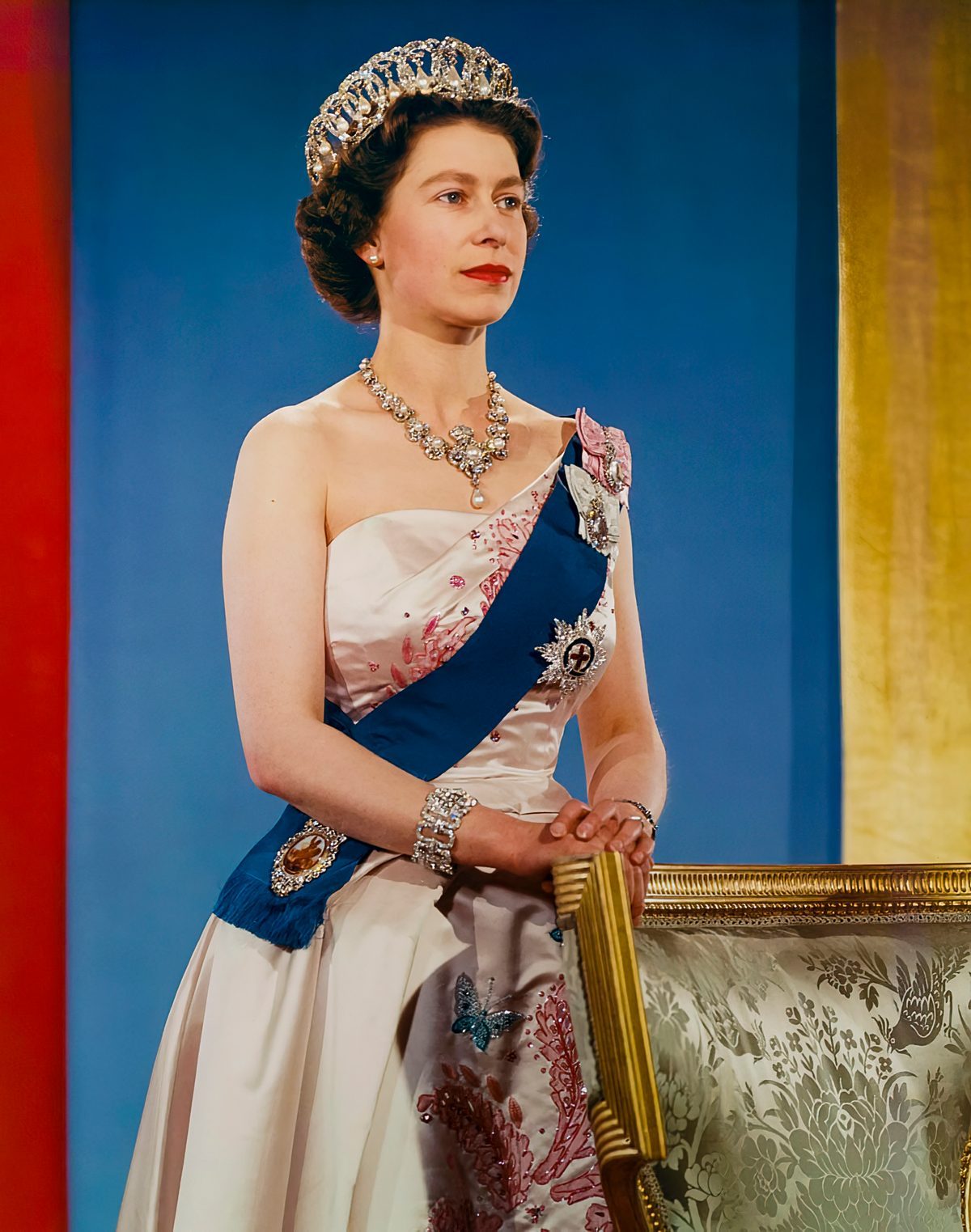
Princess Elizabeth, who would later ascend the throne as Queen Elizabeth II, and her sister Margaret, witnessed these extraordinary times from their windows. Their parents' decision to keep them in London, close but safeguarded away from the public eye, was one grounded in a balance of duty and protection. Through their father’s actions, the princesses imbibed a remarkable life lesson in leadership and resilience, one that would both influence and prepare Elizabeth for her future reign.
Legacy Beyond Wartime
As bombs continued to fall throughout Britain, King George VI’s nocturnal vigil became a testament to a wider, resonating commitment: a promise to safeguard not just a nation, but the home and hearts of his nearest. His actions that night symbolized a sovereign’s dual roles — of ruling with authority and guiding with compassion.
The legacy of such moments transcends their immediate reach. In later years, Queen Elizabeth II spoke little of the intricacies of her father's wartime parenting, yet his influence was palpable in her unswerving dedication and grace under pressure. With the evolution of the monarchy in modernity, the foundational values instilled by King George VI remain evident, showcasing a continuity that is both reassuring and inspiring.
Today, as the British monarchy continues its journey through the ever-changing tides of history, the echoes of that September night resonate. In George VI's act of bravery and tenderness lies a lesson of true leadership — one of profound humanity, forged in adversities, and scribed into the walls of memory not by grand decrees, but quiet, assuring actions. It is these stories, passed from generation to generation, that keep the spirit of the monarchy alive, revered, and cherished in the hearts of the people, standing as an enduring reminder of steadfastness and love, as it did on that fateful September night in 1940.
📷 Photo: Matson Photo Service. Public domain via Wikimedia Commons.