In the heart of the small Welsh village of Aberfan, a community was shattered on October 21, 1966, as a coal tip tragically collapsed, engulfing Pantglas Junior School and claiming the lives of 116 children along with 28 adults. It was an unspeakable tragedy that echoed through the nation and brought waves of grief to every corner of the United Kingdom. In the midst of sorrow and mourning, a quietly significant gesture by Queen Elizabeth II remained hidden for decades, kept private until recent years — a testament to her dedication and empathy for her people: each grieving father in Aberfan received a letter written personally by the Queen herself.
The Tragedy that Stirred a Nation
The Aberfan disaster, as it came to be known, marked one of the darkest days in British history. The catastrophe unfolded when a vast spoil tip, made up of mining debris, became unstable following heavy rain, cascading down the hill in the early hours of the morning. In its wake, it buried an unsuspecting school in the rush of slurry, extinguishing young lives in an instant.
Amid the chaos and heartache, the nation paused. The images of frantic parents searching for their children beneath the mire were indelibly seared into the national consciousness. The wave of sympathy that soon followed was a testament to the strength and compassion of the Britons and the global community. Among the countless voices of condolence, Queen Elizabeth II’s quiet contribution stands as a profound, albeit then secret, gesture of kindness.
A Royal Response
The Queen, a symbol of stability and continuity, was acutely aware of her role in times of national crisis. Yet, her initial delay in visiting Aberfan was a decision that would later weigh heavily on her. Deeply affected by the tragedy, she finally arrived in Aberfan eight days after the disaster, a visit she would later describe as her gravest regret for not coming sooner. Her presence in the grieving village spoke volumes, yet beyond the public eye, the Queen took it upon herself to reach out individually in a way that was astonishingly personal for someone in her position.
Embodying the sentiments of the entire nation, Queen Elizabeth II sat down to write heartfelt letters to the fathers of every child lost. These personal notes were not penned by a secretary or deputy, nor were they simply dictated and signed. Each letter bore the ink of the Queen’s own hand, representing not just the Crown, but a mother, a grandmother, and a deeply empathetic soul. Each handwritten note became a cherished memento for the families, a token of shared grief and royal solidarity amidst the unbearable loss.
Behind Palace Walls
Within the opulent yet disciplined life at Buckingham Palace, the Queen’s decision to handwrite these letters was emblematic of her deep understanding of duty and compassion. The royal court, though accustomed to protocols and procedures, understood well the solace such a gesture would provide. These letters were more than mere formalities — they were a heartfelt acknowledgment of the sorrow that had gripped Aberfan.
This act was a rare glimpse into the personal commitment of a monarch, showing that the institution of the monarchy is rooted not just in tradition and ceremony, but in humanity and personal connection. Such unprecedented actions speak volumes about the character and dedication of a queen bound by her crown but deeply connected to her people.
A Testament to Royal Compassion
These handwritten letters, hidden from public knowledge for many years, today offer us a different perspective on the Queen's role beyond her public engagements and duties of state. They reveal the true nature of her engagement with communities and her personal efforts to offer comfort and solidarity in the face of incomprehensible loss.
The act of writing those letters, one by one, reflects a deep-seated understanding of the monarchy’s role as both a stabilizing influence and an intimate participant in the lives of its subjects. It underscores the human connection that the royal family maintains with the nation, breathing warmth into the sometimes distant and awe-inspiring institution.
Legacy of Empathy
As we reflect upon the quiet yet resonant power of such personal touches, one can draw a direct line from the Queen’s handwritten expressions of condolence to the enduring strength and relatability she exhibited throughout her reign. They serve as poignant reminders of the monarch's pivotal role in national healing, not just in Aberfan, but throughout the myriad challenges faced during her tenure.
The story of the Queen's letters stands as a beacon of empathy, connecting the royal past to the present, illuminating how the values instilled through personal gestures can guide modern monarchies in their efforts to connect authentically with the people they serve. It is a captivating chapter that evokes the timeless and graceful presence of Queen Elizabeth II, whose legacy continues to inspire admiration and respect.
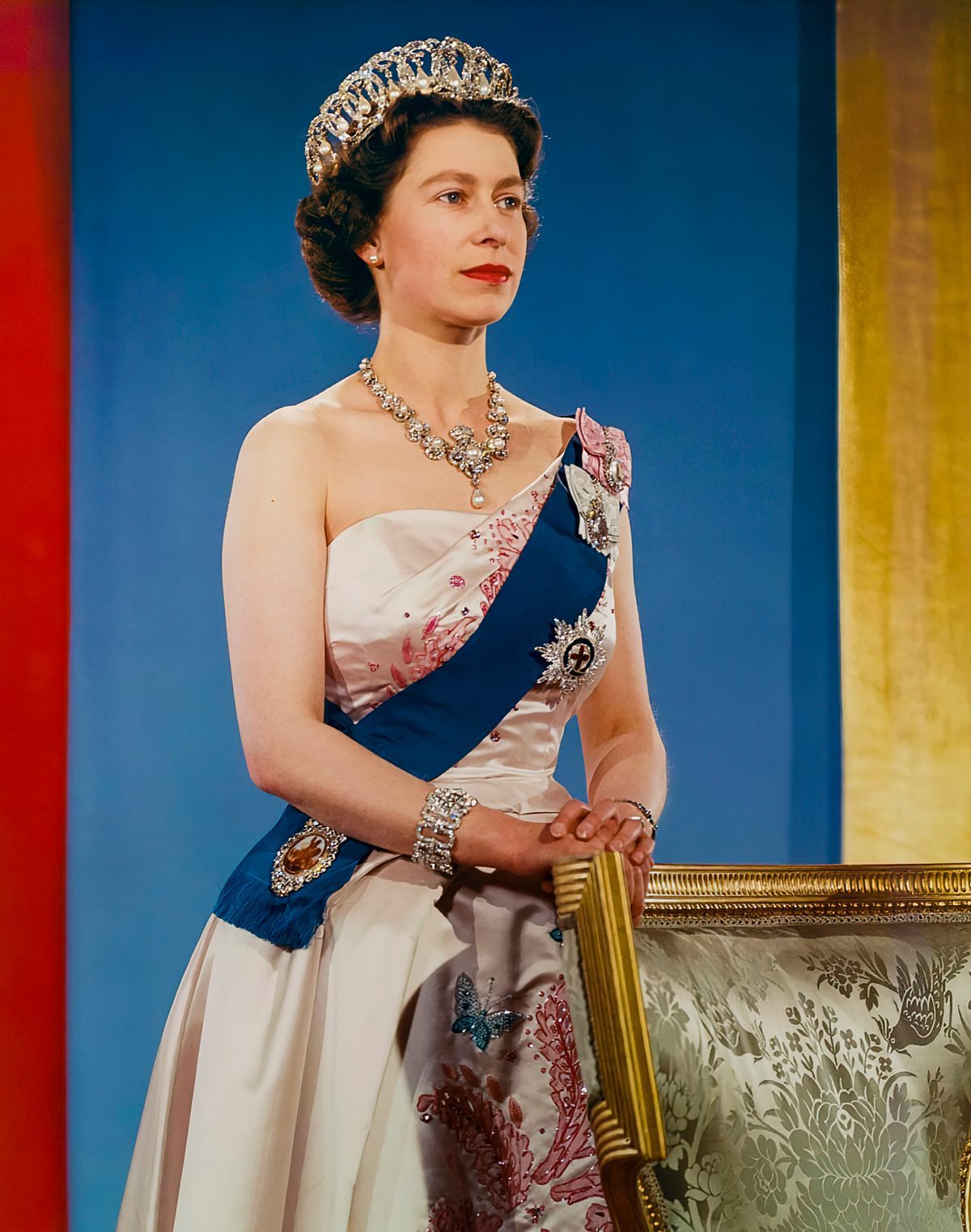
📷 Photo: Donald McKague. Public domain via Wikimedia Commons.