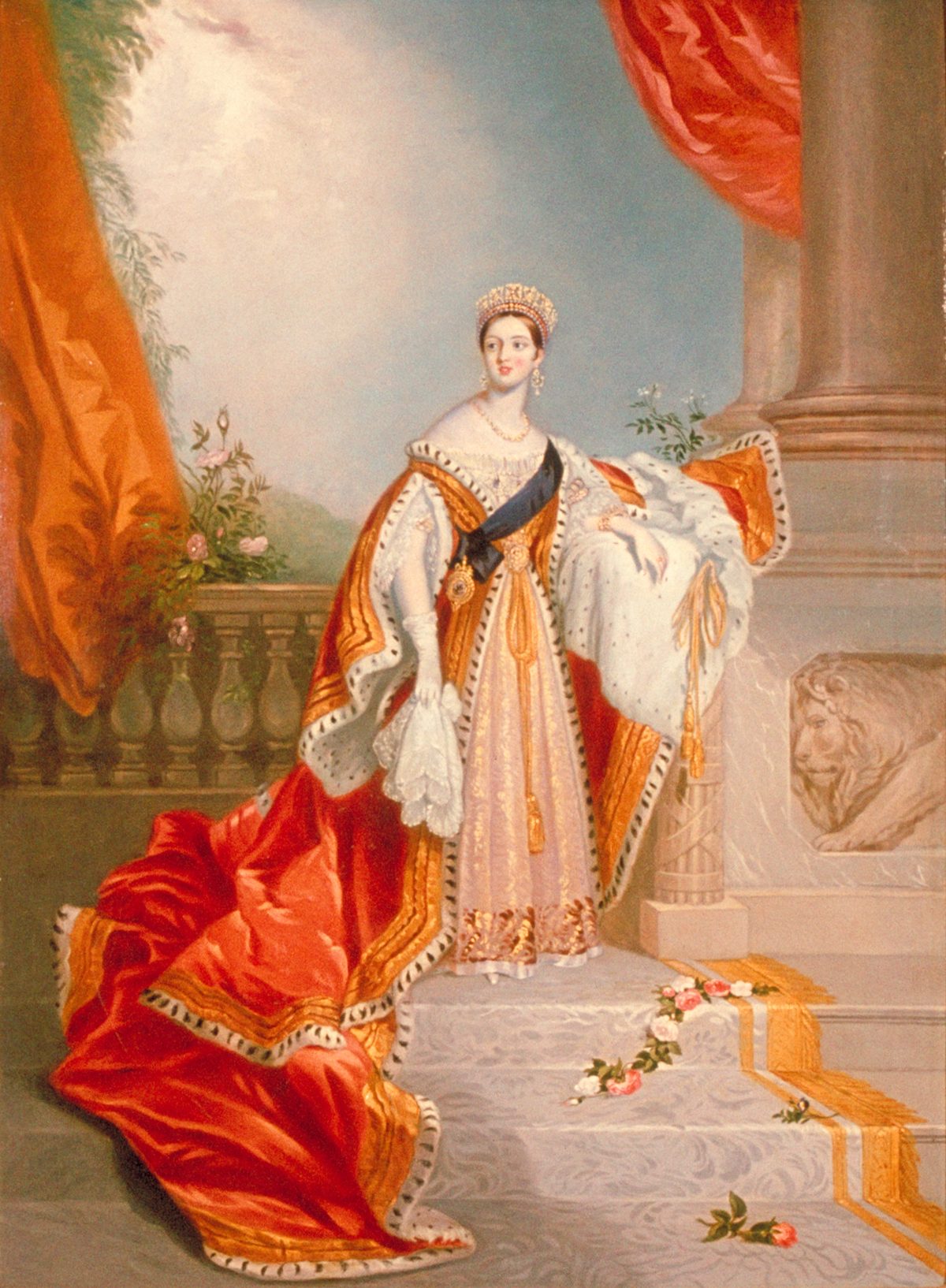
On a fateful evening in December 1861, the corridors of Windsor Castle were quiet, enveloped in a heavy silence that marked more than just the end of a day; it marked the end of an era. As the chill of winter seized the ancient stone walls, a scene unfolded within the Queen's chambers that was both poignant and profoundly heart-wrenching. Inside that regal sanctuary, Queen Victoria, the most powerful woman on earth, was utterly consumed by grief as she clung to Prince Albert's lifeless body. For hours, she lay beside him, holding his hand and whispering tender words that only the departed prince could hear. Her mournful vigil was unprecedented, her refusal to leave his side unthinkable. This wasn't just the passing of a prince—it was the shattering of Victoria's heart and world.
The Unbreakable Bond Between Victoria and Albert
The love story of Queen Victoria and Prince Albert is the stuff of enduring royal legend. Their marriage, a union of deep affection and intellectual partnership, set a standard of romantic devotion that captivated the Victorian era. Victoria had first met her future consort, her German cousin Albert of Saxe-Coburg and Gotha, when they were both just 17. From the outset, there was a unique affinity between them—a meeting of minds and hearts that would grow into a profound connection.
Victoria and Albert married on February 10, 1840, commencing a relationship that would be marked by its deep intimacy and shared vision for modernizing the monarchy. Albert became not just Victoria's confidante and adviser but her "angel" and center of her universe. He played a pivotal role in pioneering the Great Exhibition of 1851 and was deeply involved in educational and social reforms, leaving an indelible mark on Britain's transformation into a global power.
The Final Days: A Kingdom Prepares for Mourning
Towards the end of 1861, Prince Albert's health began to deteriorate. What initially appeared to be a simple cold soon worsened, leading to a diagnosis of typhoid fever. The news sent ripples of concern throughout the royal household and the nation. As Albert's condition worsened, Victoria found herself preparing for the unimaginable. Despite the medical efforts and the attentive care provided, the prince-consort succumbed to the illness on December 14.
A melancholic stillness swept through Windsor Castle as the household grappled with the looming tragedy. The Queen's attendants and courtiers were acutely aware of the depth of Victoria's devotion to Albert. As the reality of Albert's death sank in, Victoria was inconsolable. She retreated into a private world of sorrow, leaving her staff powerless to comfort her.
A Night of Solemn Vigil
The night of December 14 became a haunting tableau of enduring love and unshakeable grief. Queen Victoria, overwhelmed by the loss, did what seemed inconceivable to those around her: she refused to leave Prince Albert's side. Cloaked in sorrow, she lay beside her husband, clasping his lifeless hand, as tears of deep mourning carved paths down her cheeks. In those heart-stopping hours, the Queen transformed from the emblem of British power to a solitary widow wrestling with an all-consuming heartache.
Victoria's actions defied the usual stoic protocol of royal behavior. Her servants and advisors, well-accustomed to the veneer of composure, now faced an unprecedented emotional landscape they scarcely knew how to navigate. Helpless yet respectful of her wish to be alone with her beloved Albert, they stood outside the chamber, bearing silent witness to a love story that transcended death itself.
The Deep, Lasting Impact
Victorian society at large was deeply affected by the loss of Prince Albert, but none more so than Queen Victoria herself. From the day of his passing, she entered a prolonged period of mourning that would color the rest of her life and reign. Dressed in mourning black for the ensuing forty years, Victoria immortalized her grief through symbolism and tradition, preserving Albert's rooms in their existing state and placing statues of him in each of her homes.
Victoria's mourning rituals might have seemed excessive to some, yet they spoke volumes about her deeply personal sense of loss and her unique expression of love. This profound mourning also illustrated a historical truth—regardless of her royal status, Victoria was a woman who had lost her anchor, her guidepost, and the love of her life.
Enduring Legacy of a Love Untold
As the sun rose over Windsor on December 15, the United Kingdom faced a new day tinged with the sadness of reflection. For Victoria, each day following Albert's passing was a testament to her resilience and the enduring sanctity of love and partnership. Her steadfast dedication to preserving Albert's memory revealed a vulnerability that not only humanized but also endeared her to her subjects.
Even today, Queen Victoria's refusal to leave Albert's side remains a powerful reminder of the universal human condition, even in the lives of monarchs. It is an enduring testament to the depth of love—and grief—that can live within the human heart. As modern eyes look back on that fateful night in 1861, there is an undeniable connection to the timeless tales of loyalty and devotion that continue to resonate in our collective consciousness. Through Victoria, we see that even the loftiest figures embrace deeply human experiences—experiences that remind us of the simple, yet profound, truth that love does indeed conquer all.
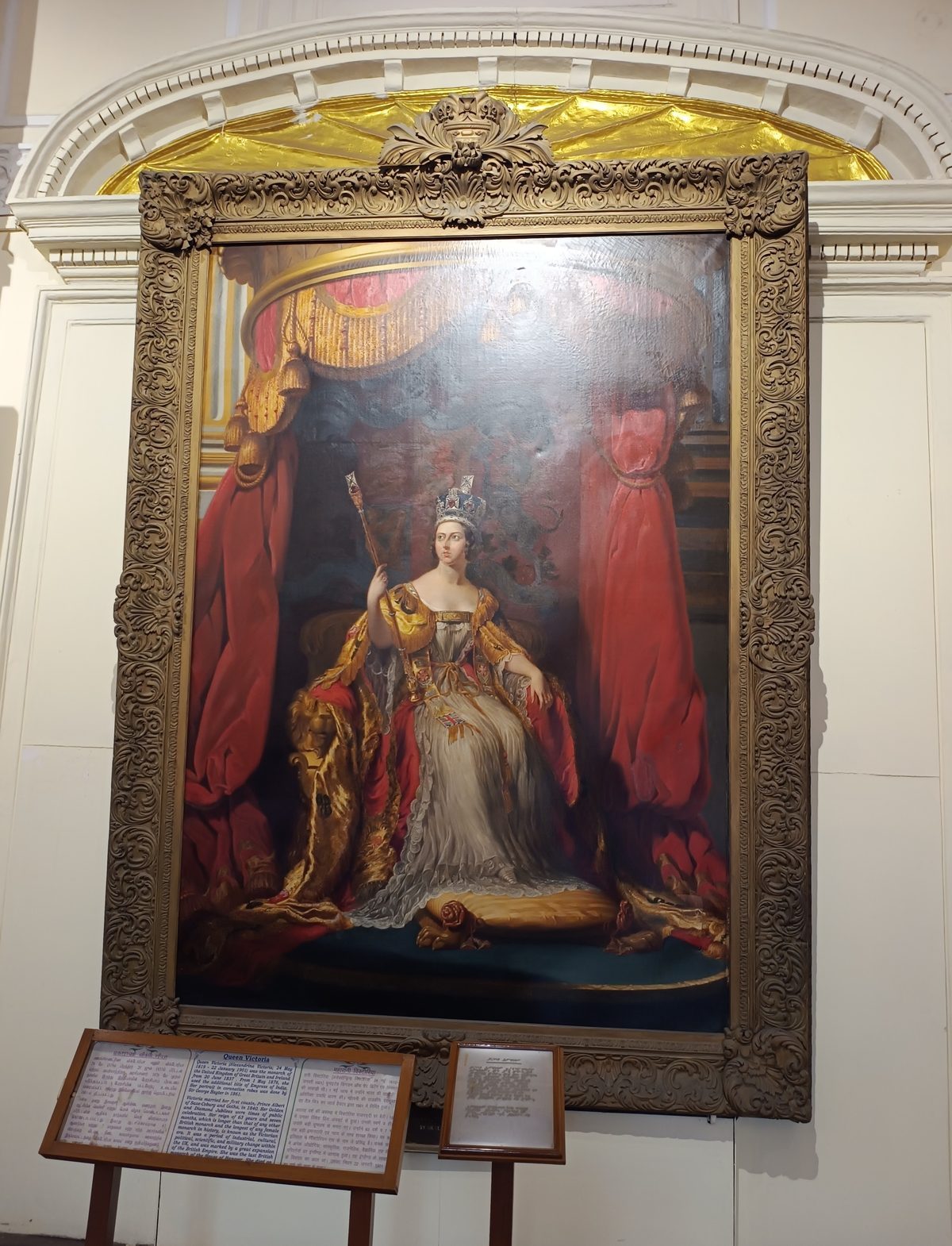
📷 Photo: N. Vivekananthamoorthy. CC BY 4.0 via Wikimedia Commons.