Hidden amidst the rugged mountains of Austria in the late 12th century, a scene of unexpected emotion unfolded within the stone walls of Dürnstein Castle. There, Richard the Lionheart, one of England's most illustrious and formidable rulers, wept openly. Captured and held for ransom while returning from the Third Crusade, Richard found himself in a dire predicament, isolated and uncertain of his future. Yet, the power of music transcended those physical and emotional barriers. A familiar melody floated through the wintry air, reviving hope in his heart. This was not just any song; it was the signal he had been desperately listening for. His faithful troubadour, Blondel de Nesle, had found him.
The Anointed Warrior King
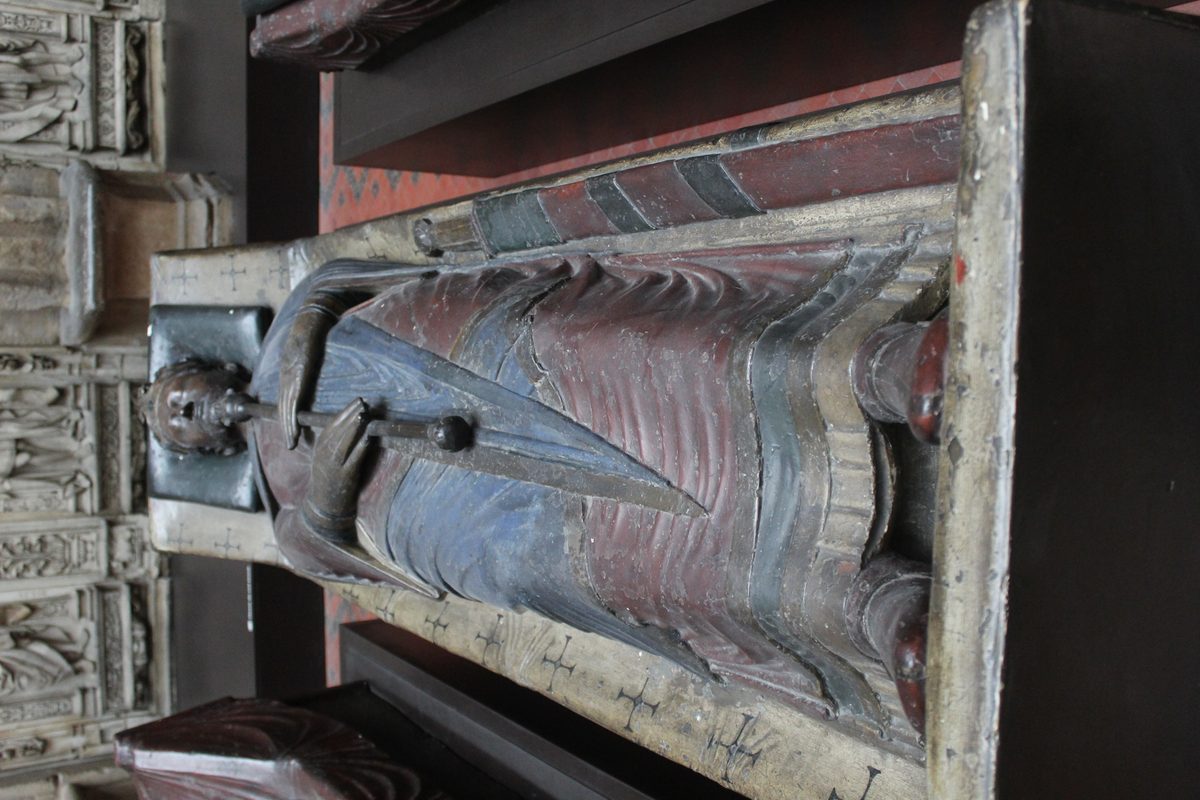
Richard I, known to history as the Lionheart, was a monarch who lived for adventure and conquest. Born in 1157, he was the third son of Henry II and Eleanor of Aquitaine, a union that brought together two of the most powerful dynastic lines in Western Europe. Raised amid the political intrigues and tensions of the royal court, Richard preferred the battlefield's raw truth to the courtly machinations at home. His valor and strategic brilliance on the battlefield led him to an almost legendary status, especially after his key role in the Third Crusade.
Yet, despite his fearsome prowess, Richard's reign was marred by strife and prolonged absences. This steadfast warrior spent only six months in England out of his decade-long reign, choosing instead to fight in the Holy Land and oversee vast territories in France. The leadership team left in England represented royal interests, managing affairs but often grappling with issues of loyalty and governance. This legacy, while controversial, was undeniably heroic, and it ignited a central question of royal governance priorities that echoed throughout the centuries.
A Troubadour's Tenacity
Blondel de Nesle was a man whose talents extended beyond his courtly charm and musical prowess. He embodied the romantic and chivalric traditions of the time—a reflection of a vibrant cultural milieu that blended Celtic mythology, romance literature, and the burgeoning troubadour tradition. As a performer, Blondel was in close companionship with the finest musicians and poets in the court of Richard. Yet his loyalty to his king transcended mere profession; it was born of a heartfelt fealty that few others could lay claim to.
When Richard was clandestinely captured by Leopold V, Duke of Austria, in December 1192, Europe's ruling elite trembled at the potential repercussions. However, back in England, the news of his capture was a mystery shrouded in rumor. Blondel, undeterred, set forth on a remarkable journey across Europe. The task was daunting, not only laden with logistical difficulties but also political sensitivities. Crossing borders in a hostile medieval landscape without a proper escort risked imprisonment or worse. Rich with a sense of history and loyalty, Blondel persevered, driven by a singular objective—to find his king.
The Power of a Melody
Ancient lore often boasts of unlikely reunions, where the strands of destiny draw individuals to a serendipitous meeting. Richard and Blondel's story is itself a tapestry woven with the threads of fate and melody. After months of searching through various castles scattered across Europe, Blondel finally came upon Dürnstein. Under the guise of a wandering minstrel, he sang the opening stanza of a troubadour song he had once composed with Richard—a song known only to the two of them.
Inside the confines of the cold, dark cell, Richard recognized the tune immediately. In a moment rich with emotion, he responded with the second stanza. It was a powerful moment of recognition, a testament to the unyielding bond formed between a king known for his might and a troubadour whose heart sang with loyalty. In that shared song, hope found a way through fortress walls, reaffirming the profound human need for connection, even amid isolation.
A Monarch's Journey
Richard's eventual release, following an enormous ransom facilitated by his mother, Eleanor of Aquitaine, highlights the remarkable interplay of dedication, sacrifice, and resilience among the Plantagenets. Eleanor's fortitude in rallying support back in England and managing the extensive negotiations underscores the dynamic and often high-stakes dramas played out by the medieval royals.
Despite the trials Richard faced upon his return—restoring order and reclaiming his authority—the story of his unlikely rescue remained a potent emblem of knightly loyalty and friendship. In an era where music fostered connections across the social strata, Blondel and Richard's song resonated with subjects and sovereigns alike, weaving a legacy that endured through song and story.
Legacy in Resonance
The tale of Richard the Lionheart and Blondel de Nesle is a poignant reminder of the power that companionship and loyalty have over human experience. It is emblematic of a time when songs traveled faster than letters, encapsulating messages laden with emotion, hope, and defiance. In the modern era, where geopolitical shifts continue to capture attention, the shared melody between a king and his troubadour invites reflection on human resilience, loyalty, and the unifying power of art.
In commemorating their story, we bridge the past to the present—a reminder that the stories of the British monarchy, with all their richness and complexity, continue to touch the lives of many. The endurance of this narrative through centuries underscores the inviolable spirit of loyalty and the transformative magic of music—a serenade from history that remains relevant today.
📷 Photo: 14GTR. CC0 via Wikimedia Commons.