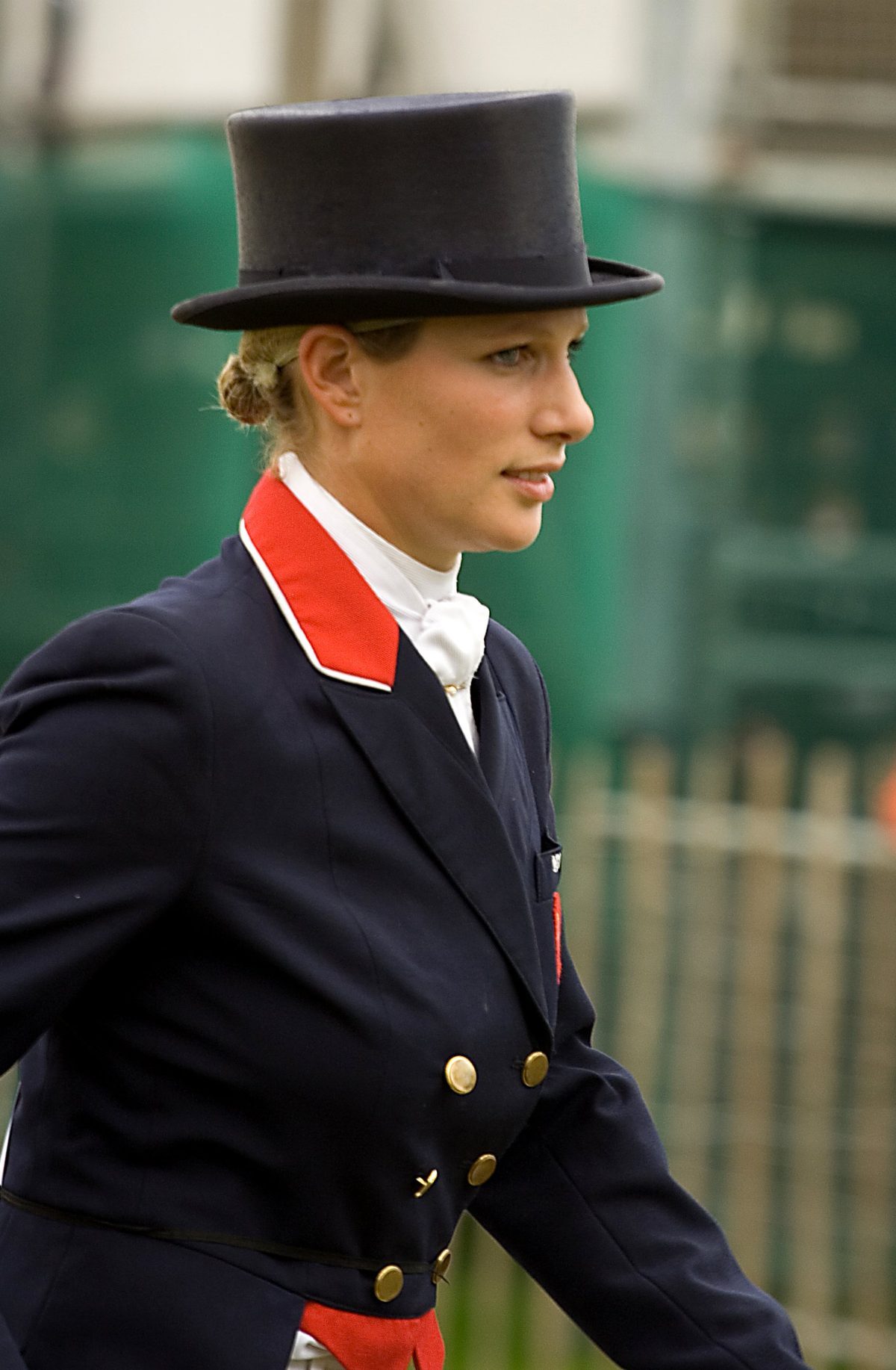
On a glorious summer evening in 2012, an unprecedented hush fell over Greenwich Park, the historic setting transformed into a bustling hub for the equestrian events of the London 2012 Olympics. Among the spectators, one figure stood out, not because of her royal pedigree, but because of her undeniable talent and tenacity. Zara Tindall, granddaughter of Her Majesty Queen Elizabeth II, was not to be found in a royal box but astride her beloved horse, High Kingdom, poised to etch her name into Olympic history.
An Athlete First: The Early Years
Born Zara Phillips in 1981, Zara Tindall seemed destined for equestrian greatness. As the daughter of Princess Anne, herself an accomplished rider and Olympian, Zara's passion for horses was evident from a young age. Despite her royal lineage, Zara was raised with a grounded perspective, encouraged to find her own path. Her parents, Princess Anne and Captain Mark Phillips, opted for her to grow up without a title, allowing her a measure of normalcy uncommon for those of royal blood.
This lack of formality extended to Zara's upbringing. She attended Gordonstoun School, followed by the University of Exeter where her equine ambitions blossomed. Determined to chart her own course, Zara made a name for herself in the competitive equestrian circuit, eventually garnering international recognition as a top eventer. By the time she entered the 2012 Olympics, she had already claimed the prestigious European and World Championship titles.
A Royal Performance Without a Royal Title
The London 2012 Olympics were particularly special for Zara, not just because of the potential for glory but because of the opportunity to perform on home soil, in front of her family and fellow Britons. Her grandmother, the Queen, who had seen her granddaughter progress from a fledgling rider to a formidable competitor, was there to witness this seminal moment.
Without the trappings of a royal entourage or special privileges, Zara entered Greenwich Park as any other athlete. Her focus was singular: to perform alongside the world’s best. Amid the charged atmosphere, the royal connection was quietly forgotten as Zara and High Kingdom moved through the course with grace and determination. It was a display of pure athleticism and partnership that brought spectators to their feet and competitors alike to admiration.
Under the Eyes of Her Royal Grandmother
For Queen Elizabeth II, watching her granddaughter compete was a moment of profound pride. Known for her steadfast composure, the Queen was visibly moved as Zara completed her rounds and ultimately contributed to Team GB's equestrian eventing silver medal win. It was an achievement that mingled the attributes of relentless dedication, extraordinary talent, and family pride.
This intersection of monarchy and meritocracy was symbolic of Zara's unique position. Her accomplishments in the equestrian arena stood as a testament not just to her personal grit but also to her family's enduring support. Though untitled, Zara exemplified a modern royal: graceful, accomplished, and committed to her passions.
The World Captivated by Humble Nobility
Zara’s triumph at the Olympics was celebrated not just by the British public but worldwide. Her journey to Olympic silver was not just about sporting prowess; it illustrated a story of familial ties, the pursuit of excellence, and the delicate balance of ordinary life amidst regal expectations. The warmth of her relationship with her fellow competitors and her graciousness in victory and defeat reflected qualities cherished by royals and commoners alike.
As the medal ceremony unfolded, the Queen was seen applauding, her pride in Zara's achievement mirrored in her eyes. The moment was captured and broadcast across the globe, a regal nod to the virtues of humility, steadfastness, and achievement beyond the sphere of royal duties.
Zara Tindall: A Modern Royal with a Timeless Influence
In the years since that unforgettable evening at the 2012 Olympics, Zara Tindall has continued to embody the qualities so endeared by the public. Her equestrian career flourished, and she embraced her role as a mother, wife, and representation of a modern monarchy that values individuality alongside tradition.
Zara's silver medal win remains a poignant symbol of achievement unshackled by expectation and unencumbered by entitlement. Her triumph reminded the world that perseverance, talent, and passion can pave one's path to success, regardless of birthright. The significance of that night in Greenwich Park continues to resonate, echoing a legacy of understated nobility and authentic brilliance, influencing the royal narrative and public affection for the years to come.
The story of Zara Tindall is more than an account of Olympic success; it is an affirmation of the royal family's place not just in history books, but at the heart of a living, evolving British identity. Much like the monarchy itself, her journey is a testament to resilience, grace, and the power of dreams pursued with unwavering dedication.
📷 Photo: derivative work: Mareklug talk Zara_Phillips.jpg: craig carter. CC BY 2.0 via Wikimedia Commons.