Eight days after a coal tip buried a Welsh school and 116 children, a Queen arrived in a village that had nothing left. She had been advised to wait. She came anyway. What happened when she met the mothers of Aberfan was never meant to be witnessed by anyone outside that street.
The Unimaginable Tragedy of Aberfan
The morning of October 21, 1966, dawned with a sinister silence in the village of Aberfan, South Wales. This close-knit mining community was shaken to its core when a colliery spoil tip, unstable and rain-soaked, came crashing down the hillside, engulfing Pantglas Junior School in a black wave of coal waste. In mere minutes, 116 children and 28 adults perished, leaving an indelible scar on the hearts of all who remained.
For the mothers of Aberfan, life fractured into “before” and “after” that dreadful day. As the scale of the disaster became clear, the nation wept in unison, with the village receiving silent support and sorrow from across the United Kingdom. Messages of condolences flooded in, including a personal message from HM Queen Elizabeth II expressing profound grief and support to the families.
The Royal Decision and Its Impact
Despite her heartfelt message, Queen Elizabeth faced a crucial decision in the days following the tragedy. Advised by her courtiers to avoid visiting Aberfan immediately—so as not to distract from rescue efforts—Her Majesty's absence sparked mild controversy. Her heart, however, was full of compassion. She understood the symbolic power of a Queen's presence amidst her grieving subjects.
On October 29, eight days after the calamity, Queen Elizabeth II disregarded initial advice and traveled to Aberfan. Her arrival was understated and solemn; there were no grand announcements or glittering tiaras. Instead, she appeared as a mother and a woman offering solace to other mothers who had lost more than one could fathom.
The Heartfelt Meeting with Aberfan Mothers
No cameras were present to capture those intimate, poignant moments when Queen Elizabeth stepped into the lives of Aberfan's mothers. This meeting wasn't orchestrated for spectacle. It was a quietly powerful comfort, a commitment of empathy and shared sorrow.
Her Majesty stood among the villagers, her presence a gentle assurance. She took the trembling hands of grieving mothers into her own, offering a silent solidarity that transcended words. In those brief connections, she promised to hold their memory in her heart and advocate for measures to prevent such a disaster from recurring.
Witnesses recount that she wept alongside these women, her regal dignity momentarily giving way to shared humanity. This gesture left an indelible mark on the mothers of Aberfan, a testament they carried beyond the confines of that grief-stricken village.
A Quiet Influence Within the Palace
Back in London, the Queen's experience in Aberfan subtly influenced her reign. This visit intensified her resolve to maintain a monarchy responsive to the people's needs, attuning royal engagements more closely with public sentiment and welfare. As a young Queen, Elizabeth was learning not only the protocol of monarchy but the profound personal connection her role could foster, even in the gravest of times.
Within the royal court, this human aspect of the Queen's duties was a delicate balance of tradition and modernity, a duality shaped significantly by her experiences like those in Aberfan. The Queen's consistent dedication to appearing personally involved and emotionally present in moments of crisis became a valued hallmark of her reign, forever intertwined with the day she visited the lost children’s mothers.
The Legacy of Compassion
The ripple effects of Queen Elizabeth's visit to Aberfan can be felt in the ongoing story of the British monarchy. Her heartfelt response to a tragic event affirmed the essence of her reign—a monarch deeply rooted in the welfare of her people, extending beyond ceremonials to personal empathy and support.
As we reflect on her life, the visit to Aberfan stands as a testament to her understanding of monarchy as a shared human journey, one where shared sorrow becomes a binding thread between sovereign and subject. It underscores a legacy of involvement and compassion, highlighting the Queen's profound dedication and the subtle yet powerful ways she shaped the perception of the modern British monarchy.
The mothers of Aberfan, too, remembered her visit as a turning point, a poignant reminder that even in overwhelming darkness, the presence of a thoughtful and compassionate heart can provide balm to the deepest wounds. In Queen Elizabeth II's enduring legacy, the memory of Aberfan remains, resonant with the promise she made and kept to stand by her people—not as a distant monarch, but as a fellow grieving human.
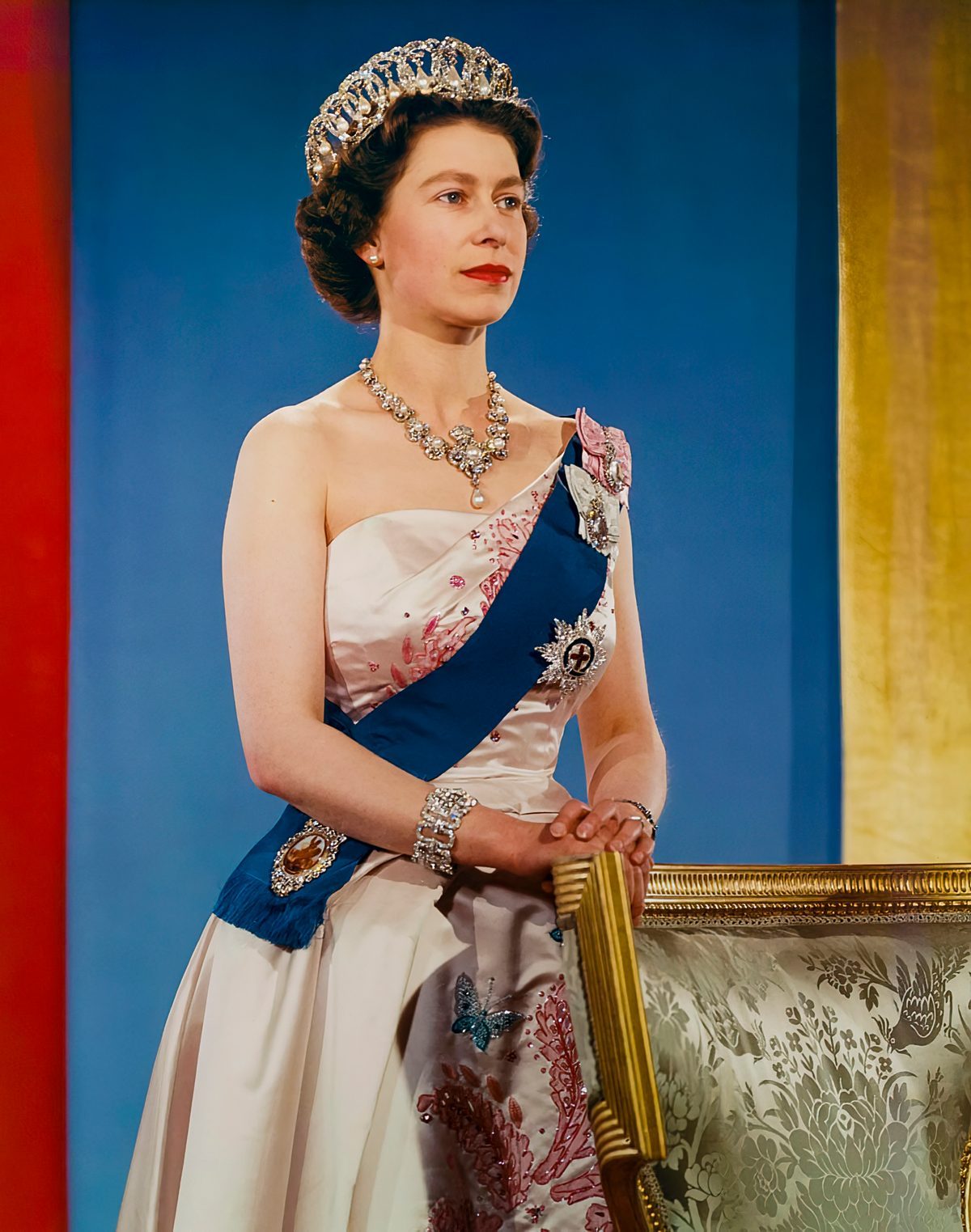
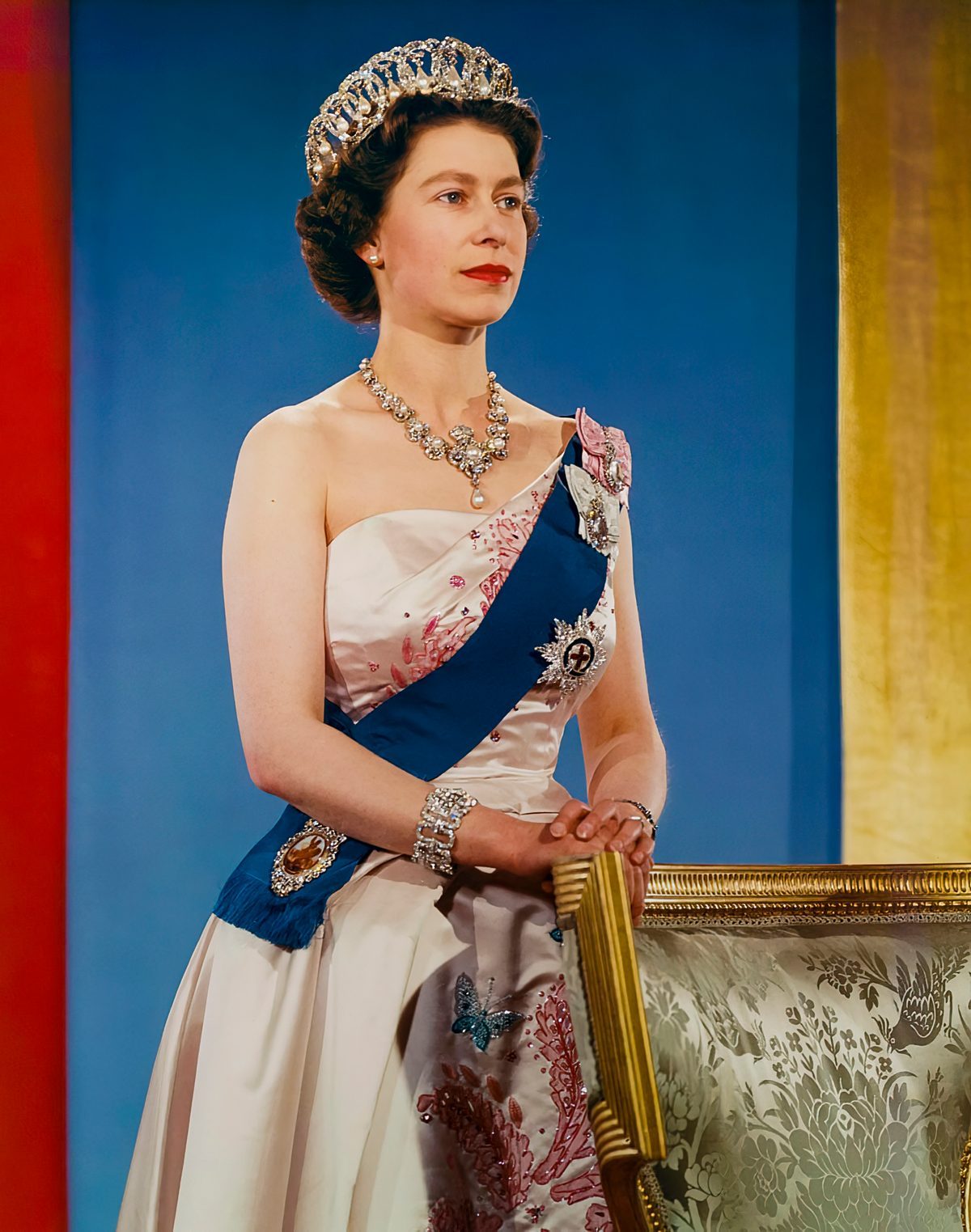
📷 Photo: Donald McKague. Public domain via Wikimedia Commons.